Here's what nobody tells you about medication and sex
You started an SSRI for anxiety or depression. Or you switched to a hormonal IUD for birth control. And then, quietly, your body stopped responding the way it used to. Not dramatically. Just... less. Less sensation when you touch yourself. Less interest in sex. Less ability to reach orgasm, or orgasms that feel muted, far away.
You're not broken. Your medication is working. And that's the frustrating part.
Medications that affect dopamine, serotonin, and testosterone can genuinely dampen sexual response. This isn't a side effect that gets better with time. It's neurochemistry. And the standard advice "talk to your doctor" is correct, but incomplete. Your doctor might offer to change your medication (which risks your mental health) or switch birth control (which might not be realistic). What they rarely offer: practical tools to rebuild sensation and pleasure while staying on the medication that keeps you stable.
That's where lemon vibrators come in. Not as a substitute for medical care, but as part of the answer.
Why lemon clitoral vibrators work differently for medication-affected bodies
When you're on an SSRI, antihistamine, or hormonal birth control, the issue isn't typically tissue damage. It's signal degradation. Your brain isn't receiving pleasure input the same way it used to. Traditional vibrators work by direct friction. They require your nervous system to be already somewhat primed to register sensation.
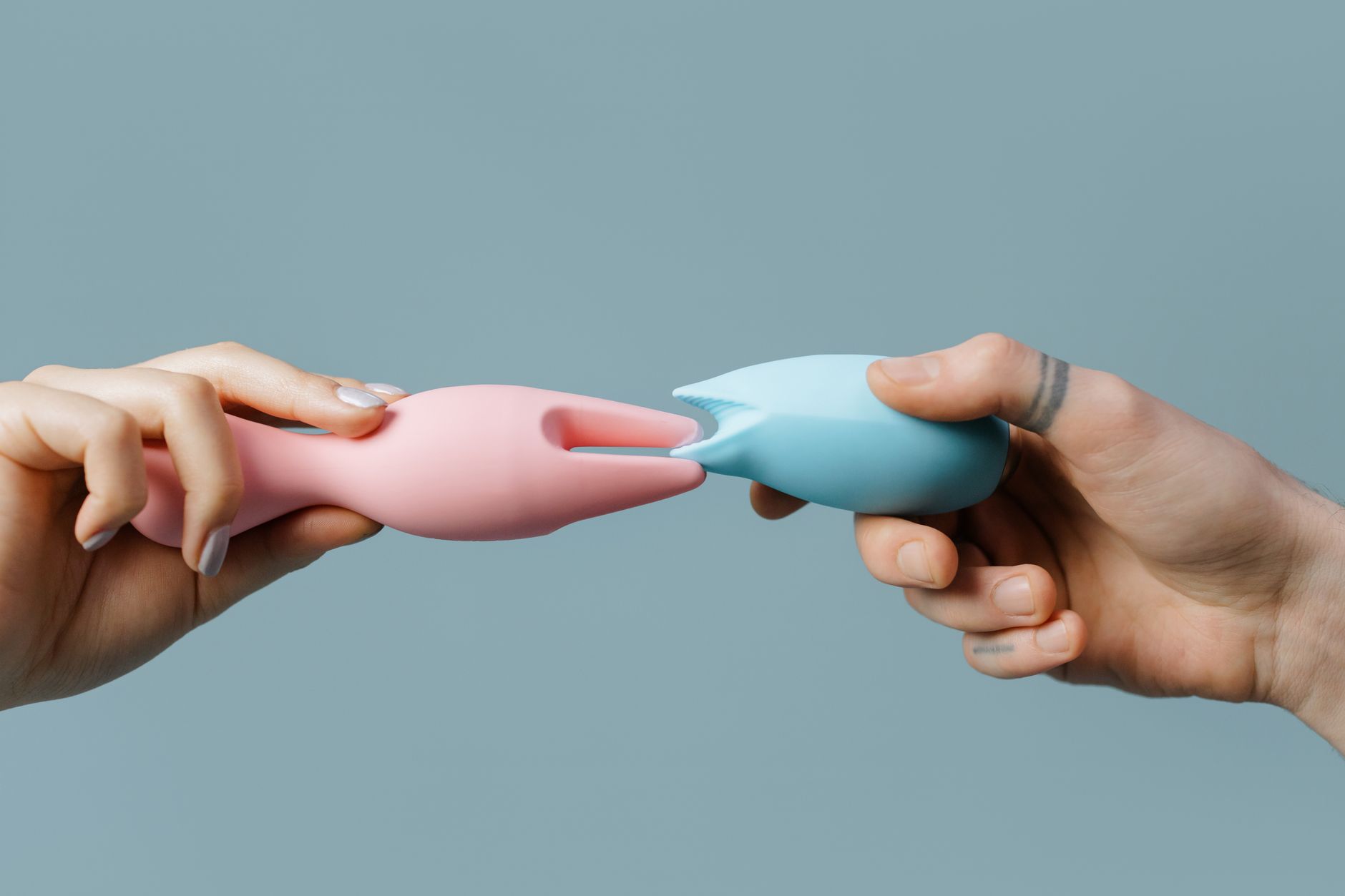
Lemon vibrators use suction and gentle pulsation, which creates a different kind of stimulation. The suction creates rhythmic pressure changes that don't rely on friction. This matters because pressure and suction stimulate different nerve pathways than vibration alone. For people taking medications that flatten dopamine or serotonin, activating multiple sensory pathways at once can sometimes break through the numbness.
I've worked with dozens of people who said they couldn't feel anything with a traditional vibrator after starting antidepressants. Then they tried a lem vibrator. Not because the toy is magical. Because the different sensation profile recruited nerve pathways that were still responsive. The suction sensation is also more noticeable than vibration to desensitized tissue, so it demands your brain's attention in a way that high-speed vibration can't.
Medications that most commonly dull pleasure
Let's be specific, because the mechanism matters.
SSRIs and SNRIs. Fluoxetine, sertraline, venlafaxine, and their cousins account for roughly 60 percent of the medication-related pleasure complaints I hear from clients. They work by increasing available serotonin, which is necessary for mood stability. The side effect: reduced dopamine availability, which is central to sexual motivation and the pleasure reward cycle. Result: lower desire, harder to reach orgasm, less intense orgasms.
Hormonal birth control. The pill, patch, ring, and hormonal IUD all suppress ovulation by keeping testosterone and estrogen in a steady state. Your body never gets the testosterone surge that typically drives desire mid-cycle. Some people don't notice. Others lose significant sensation and interest. This is dose-dependent. Lower-hormone pills and progestin-only options sometimes help, but not always.
Antihistamines and blood pressure medications. Ironically, drugs that help you breathe easier or manage hypertension can reduce genital blood flow and sensation. The effect is often subtle but real.
Hormonal treatments for endometriosis or PCOS. Controlling hormone levels to manage pain often comes with a pleasure trade-off. Worth it for pain relief, but it still costs something.
How to actually rebuild sensation on medication
Three strategies work together.
First, commit to consistency, not intensity. When your body is already numb, the temptation is to reach for stronger stimulation. Wrong move. The point is to retrain your nervous system to receive and interpret sensation. A lemon vibrator on setting 1 or 2, used for 15 minutes three times a week, rebuilds pathways better than a wand vibrator on high twice a month. Your brain needs regular, gentle input to remember how to register pleasure.
Read more about this approach in our guide on how to use a lemon vibrator for sensitivity building after pelvic floor tension. The same nervous system retraining applies here.
Second, add intentional warm-up time. Medication delays arousal. Where you might have felt ready in 5 minutes, now it takes 20. Budget that time. Spend 10-15 minutes on sensation play with your partner or on manual exploration before you introduce the lemon vibrator. This tells your brain "okay, we're doing this," and gives your nervous system time to shift gears.
Third, use lubricant even if you don't think you need it. Hormonal medication can thin vaginal tissue and reduce natural lubrication. Water-based lube reduces friction and makes suction stimulation feel more comfortable. Comfort is how your brain learns that pleasure is safe and available again.
The conversation with your prescriber
Your doctor should know that medication is affecting your sex life. Not because they can necessarily change your prescription (sometimes they can, sometimes the current medication is the best option for your mental health or physical health). But because there are sometimes alternatives.
If you're on fluoxetine and experiencing severe sexual side effects, bupropion or a lower-dose SSRI might be worth discussing. If your hormonal birth control is the culprit, there are other options: the copper IUD (non-hormonal but requires checking for copper sensitivity), progestin-only pills, or even taking breaks from hormonal contraception if that's realistic for your situation.
But here's what I tell my clients: if your medication is working for your mental health or managing a condition you need managed, changing it might not be the answer. Instead, the answer becomes: how do you rebuild pleasure alongside medication that's saving your life? That's where tools like lemon clitoral vibrators fit in. They're not a replacement for medication. They're a companion strategy.
Building pleasure back takes time
If you've been on an SSRI for two years and sensation has been muted the whole time, your brain has learned a new baseline. Rebuilding sensitivity isn't instant. It's usually weeks, not days. You might notice small improvements first: slight tingles where there was nothing before, a fleeting moment of real arousal instead of going through the motions.
The lemon vibrator helps because it concentrates stimulation in a way that commands attention. But the real work is consistency and patience. Your nervous system will respond. It just needs repetition and permission to remember how.
When to talk to your doctor
If you're experiencing new pain, complete loss of sensation, or depression that gets worse after starting a medication, absolutely talk to your provider. If you've tried rebuilding pleasure for 6-8 weeks with no progress, that's also worth raising. Sometimes a small dose adjustment or switching to a different medication class makes a huge difference.
But for the common case of muted sensation and lower desire on a medication you need and want to stay on, the answer often isn't "change your medication." It's "rebuild sensation strategically, be patient with your nervous system, and use tools that work with how your brain is actually functioning now."
Lemon clitoral vibrators are one of those tools. They work because they meet your body where it actually is, not where it used to be.
FAQs
Can I use a lemon vibrator while taking SSRIs?
Absolutely. Lemon vibrators are safe to use with any medication. The suction-based stimulation actually works well for people on SSRIs because it engages different nerve pathways than traditional vibration. Start on a lower setting and build up your comfort. If you're experiencing numbness or reduced sensation from an SSRI, consistency matters more than intensity. Regular use of a lem vibrator on gentler settings often rebuilds sensation more effectively than occasional high-intensity use.
How long does it take to feel pleasure returning after medication-induced numbness?
It varies widely. Some people report subtle improvements within 2-3 weeks of consistent use. Others take 6-8 weeks to notice real shifts. The timeline depends on how long you've been on the medication, the specific medication, your individual nervous system sensitivity, and how consistently you practice. Think of it like physical rehabilitation. Your nervous system needs repetition to relearn a response. Weekly or daily practice rebuilds sensitivity faster than sporadic use.
Will switching to a different vibrator type help if my medication is affecting pleasure?
Sometching different might help, but not all vibrators are created equal for medication-affected bodies. Traditional wand vibrators rely on friction and high-speed vibration, which can feel overwhelming or not register at all if your nervous system is flattened. Lemon clitoral vibrators use suction and pulsation, which tends to register as more noticeable sensation to desensitized tissue. If standard vibrators aren't working, suction-based options are worth trying. See our guide on how lemon vibrators compare to traditional vibrators for more detail.
Is reduced pleasure from medication permanent?
Not necessarily. In some cases, your body adapts and sensation normalizes over months. In others, it stays flat for as long as you're on the medication. The good news: even if sensation doesn't completely return, it almost always improves with consistent, intentional practice. And pleasure is partly psychological. Even if physical sensation is muted, rebuilding the habit of self-pleasure and increasing blood flow through regular stimulation helps. Some people find their most satisfying orgasms come from the mental and emotional engagement, not just the physical sensation.
Should I tell my partner my medication is affecting my pleasure?
Yes, in most cases. Your partner isn't a mind reader. If you're feeling less desire or having trouble reaching orgasm, they likely notice and might be taking it personally. A simple conversation like "I've noticed my medication is affecting sensation, and I'm working on rebuilding that with some tools and consistency" reframes the issue. It's not about them. It's about your nervous system adapting. Many partners find it actually brings them closer because they can participate in or support your rebuilding process. If you're partnered, you might explore how lemon vibrators help couples reconnect after trust issues or rebuild pleasure after long-term couples burnout.
Can birth control and lemon vibrators work together to restore sensation?
Yes, with patience. If hormonal birth control is your culprit, switching methods sometimes helps. But if you need or prefer your current birth control, rebuilding sensation is still possible. The mechanism is different from SSRIs, but similar: consistent, intentional stimulation retrains your nervous system. A lemon clitoral vibrator on gentle settings used regularly can help restore sensation even while you're on birth control. Some people combine this with increased awareness of their natural arousal window and partner communication to rebuild connection alongside physical sensation.
The bottom line
Medication-induced numbness is real. It's not in your head, and you're not broken. Your brain chemistry has shifted, and it takes intentional practice to rebuild pleasure responsiveness. Lemon vibrators work for medication-affected bodies because they use a different kind of stimulation that can break through the flatness. But they work best alongside consistency, patience, and honest conversations with your doctor about what's happening and what matters to you.