
Let's talk about what happens after betrayal
Trust breaks. Sex stops. For months, sometimes years, the person who hurt you becomes a stranger in your bed, and the person who was hurt becomes someone who flinches at touch. I've worked with dozens of couples in this exact position, and the same pattern emerges every time. They want to reconnect. They have no idea how.
Here's what makes it harder: sex during trust repair isn't about pleasure. It's about threat detection. Your nervous system is on high alert, waiting for the next hurt. That's not a mindset that allows for genuine connection.
But lemon vibrators change the equation. Not because they're magic. Because they're safe.
Why standard sex doesn't work early in healing
When you're rebuilding trust, partner-focused sex feels exposing. You're vulnerable. You're watching their face, scanning for signs they're somewhere else emotionally. Your body reads that vigilance as danger, so arousal doesn't show up.
Meanwhile, the partner who caused the harm is hyper-aware of their own failure. They're performing apologies with their body, which means they're in their head too. Neither of you is actually present.
Lemon clitoral vibrators interrupt this cycle because they give the person with a vulva something outside the relationship dynamic to focus on. The Lem, for example, uses gentle suction that requires attention to physical sensation rather than relational anxiety. That's not avoidance. That's neurological safety.
When your sympathetic nervous system (the fight-or-flight branch) calms down, your parasympathetic system (the rest-and-digest branch) can activate. Pleasure becomes possible.
The architecture of reconnection through shared pleasure
There's a specific way this works, and it matters that you understand it.
Phase one is permission. Many people who've been hurt within a relationship carry shame about wanting pleasure again with that person. Using a lemon vibrator gives permission in a practical sense. You're not expecting your partner to "do it right" anymore. The device handles the intensity, the rhythm, the pressure. Your partner's job is just to be present and supportive.
Phase two is witnessing. As the person receiving pleasure starts to experience genuine sensation and arousal, something shifts for the partner watching. They're seeing their person feel good, feel safe, feel alive. That's profoundly different from the guilt and fear they've been carrying. Many couples tell me this is the moment they realize repair might actually be possible.
Phase three is reciprocal vulnerability. Once the receiving partner has experienced pleasure in the other's presence and it went well, the power dynamic recalibrates. The partner who caused harm hasn't earned the right to direct pleasure yet, but they've earned the right to be near it. That's a real milestone.
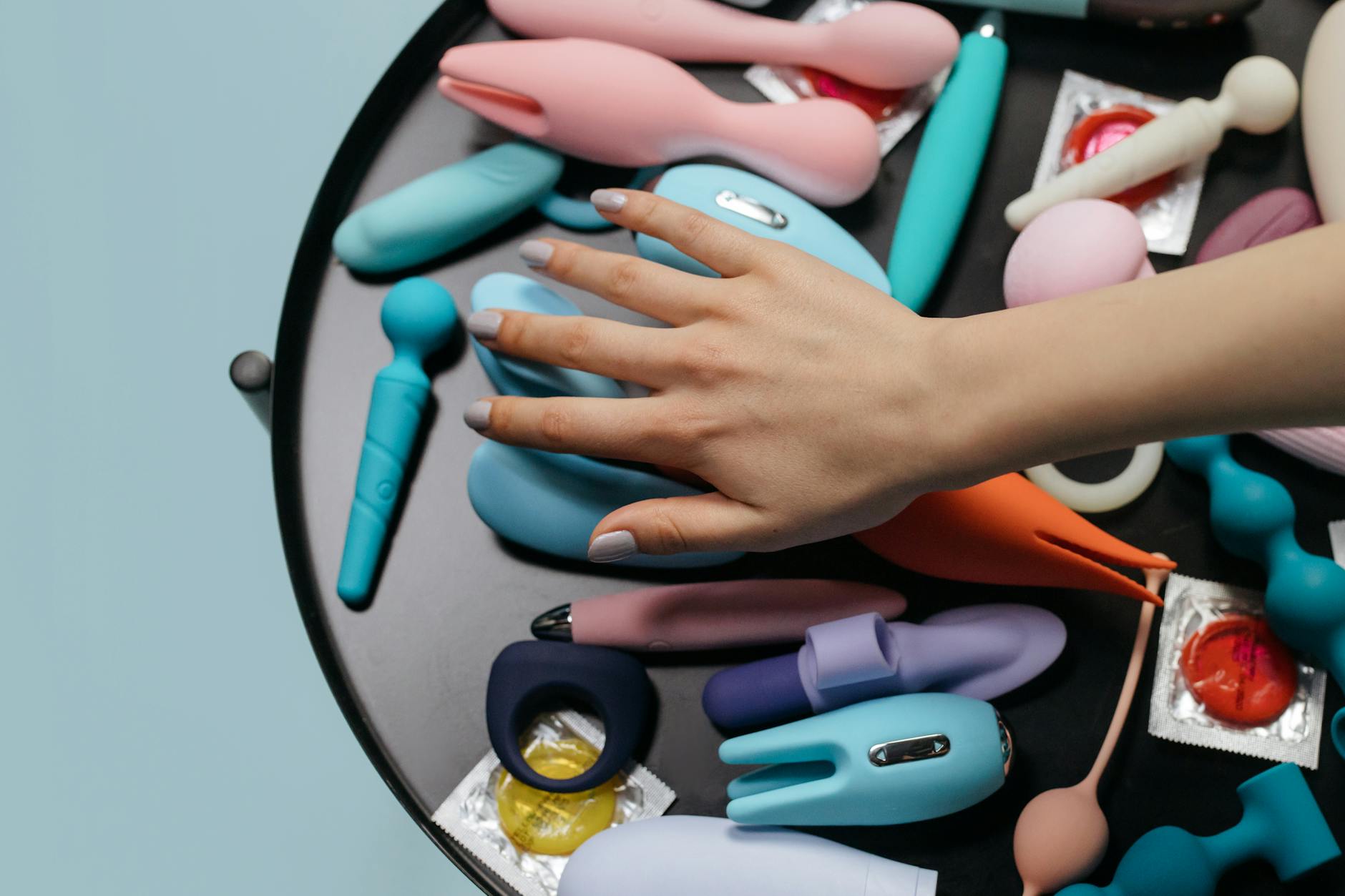
Photo by cottonbro studio on Pexels
Why lemon suction vibrators specifically work better
Lemon sexual toys, particularly suction-based ones like the Lem vibrator, have a distinctive advantage in trauma recovery. Traditional vibrators deliver sustained stimulation that can feel overwhelming when your nervous system is dysregulated. The vibration itself can trigger hypervigilance in some people.
Suction is different. It's pulsing, rhythmic, and somehow feels more contained. You can pause it. You can adjust the intensity without explaining yourself. Control remains with the person receiving, which is exactly what a healing nervous system needs.
The Lem vibrator's design also means it's easy to introduce into partnered pleasure without it feeling like a performance or a test. It's just there, being helpful. Not threatening.
Setting up the conversation without awkwardness
Here's where most couples stumble. They know they need to reconnect physically, but suggesting a lemon vibrator feels like admitting defeat. Let me reframe that.
Try this angle: "I want us to experience pleasure together, but I need to feel safe while we rebuild. A lemon clitoral vibrator lets me focus on sensation instead of anxiety. Can we try that together?"
The key is specificity. Don't say "maybe we should try toys." Say why, what you need, and what it would feel like for them. That's vulnerable, yes. But it's also honest.
For the partner who caused harm, the response matters too. The goal isn't to fix the problem with effort or enthusiasm. It's to show up quietly, without expectation. "I'm here. You're safe. Your pleasure matters to me" is the entire job description.
The timeline nobody talks about
Healing from betrayal is not linear. Some nights will feel good. Others will trigger old wounds. That's normal, and lemon vibrators don't bypass that reality. But they do compress the timeline for rebuilding physical safety.
Most couples I work with can move from "sex feels threatening" to "sex feels tolerable" in 4-6 weeks of consistent, low-pressure partnered sessions with a device. That doesn't mean everything is fixed. It means the nervous system has evidence that pleasure with this person is possible without danger.
After that, deeper emotional work continues, but now you're doing it from a place of embodied safety, not theoretical negotiation.
When professional help is necessary
If either partner is dealing with active PTSD, ongoing betrayal behaviors, or severe disconnection, a sex therapist trained in trauma-informed care is non-negotiable. Lemon clitoral vibrators are a tool, not a therapist. They can support healing that's already underway, but they can't create healing if the foundation isn't there.
If you're in the early stages of rebuilding and aren't sure you're ready, talk to someone. That's the smartest thing you can do.
What actually heals the relationship
The lemon vibrator isn't what heals the trust. Communication heals it. Consistency heals it. Genuine accountability heals it. Months of showing up and being trustworthy heals it.
But creating a path back to physical intimacy without retraumatizing each other? That's where lemon sexual toys become genuinely valuable. They give your nervous system permission to explore pleasure again while you do the deeper work of rebuilding the emotional connection.
Your pleasure matters. Both of yours. A lemon sucker or a Lem vibrator just makes it easier to access that pleasure when trust is still fragile.
FAQ
Can we use a lemon vibrator if we're still in conflict?
Not the starting point. Pleasure requires enough basic safety that neither of you is in a constant state of fear or anger. If you're still in acute conflict, a couples therapist needs to come before the vibrator. Once you've established that you both want to stay and you're taking the work seriously, then a lemon clitoral vibrator can support reconnection.
Will using a vibrator make my partner feel inadequate?
It might, initially, if the conversation isn't clear. The narrative matters. Frame it as "I need this to help my nervous system feel safe so we can experience pleasure together," not "you're not enough." A lemon vibrator is a tool for your nervous system, not a judgment on your partner's skill or desirability. If your partner responds with defensiveness, that's worth exploring in therapy.
How long until we can have regular sex again?
There's no timeline. Healing isn't a box you check. Some couples reestablish partnered sex within weeks once they rebuild physical safety. Others take months. The goal isn't to rush back to what you had before. It's to build something new, with more intention and awareness.
What if I experience pain when we use a lemon vibrator together?
Pain is a stop sign. It usually signals that your nervous system isn't actually ready, or that you need lubrication, or that you're holding tension from emotional fear. Try How Lemon Vibrators Help With Sensation Building After Numbness for more guidance on re-establishing comfort. If pain persists, see a pelvic floor physical therapist or a sex therapist.
Can we introduce other activities alongside the vibrator?
Absolutely. Many couples also rebuild through non-sexual touch like massage, bathing together, or hand-holding. The vibrator isn't your entire toolkit. It's one piece. Some partners find that using a lemon clitoral vibrator while practicing guided breathing or meditation helps ground both people in the moment without performance pressure.
How do I know if my partner actually wants this or if they're just trying to fix things?
You ask directly. "Are you genuinely interested in rebuilding intimacy with me, or does this feel like an obligation?" Their answer will be honest or it won't be. If it's not honest, you've discovered something important. If it is honest, you've got something to build on.
The road ahead
Reconnecting after trust is broken requires both of you to show up differently. Lemon sexual toys, particularly suction-based clitoral vibrators, create a pathway where physical pleasure doesn't trigger the betrayal wound. That's not magic. That's neurology.
Your partnership can heal. Your pleasure can return. It just takes intention, safety, and sometimes a little help from a well-designed lemon vibrator. Start the conversation. Give yourself permission to need tools. Your nervous system will thank you.