Let's be real. You can absolutely get there alone. The second your partner walks into the room, something in your nervous system hits pause. Your breath gets shallow. You lose focus. Your body tightens up. And then the spiral starts: "Why can't I just relax? What's wrong with me? They're waiting. I'm taking too long."
Nothing is wrong with you. This is performance anxiety, and it's wildly common. About 40% of people with vulvas report difficulty reaching orgasm with a partner present, even when solo play works fine. That gap isn't a sign of dysfunction. It's a sign that your system needs something different to feel safe.
Your nervous system doesn't separate sex from survival. When another person is watching, your threat detection system stays partially online. Part of your brain is tracking their reactions, their breathing, whether you're "taking too long." That's not overthinking. That's ancient wiring designed to keep you safe in groups.
The added layer: solo play works because there's zero evaluation. No one's checking if you're doing it right. You can take forty minutes, or five. You can stop and start. There's permission built into the solitude.
With a partner, even a loving, patient one, you're unconsciously asking yourself to perform while that threat detector stays partially active. Your clitoris doesn't orgasm on command when your vagus nerve is halfway activated. It just doesn't. This is neuroscience, not character.
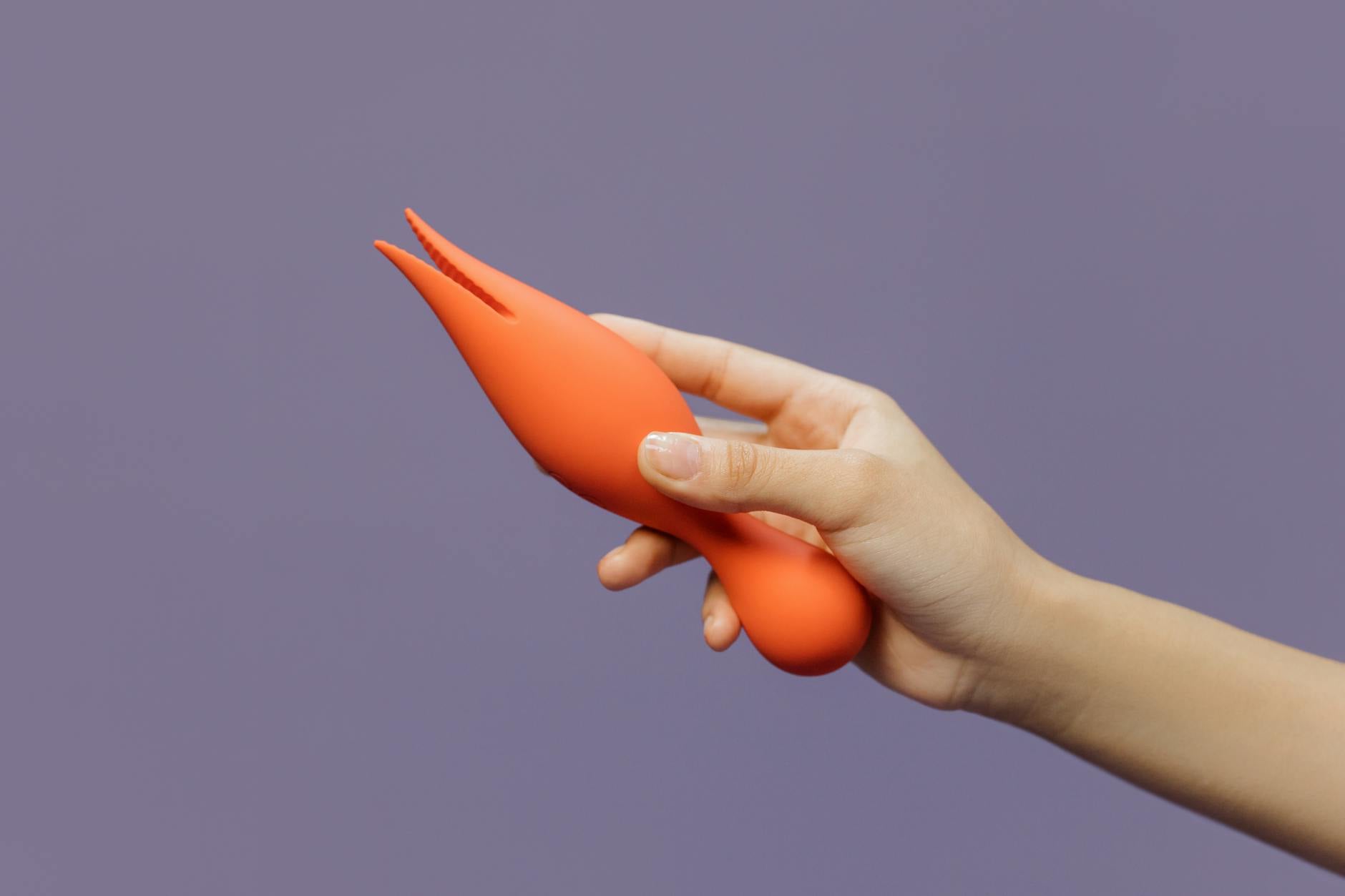
Lemon clitoral vibrators like those from Lem Nancy's work differently than traditional vibrators because of the suction mechanism. Instead of direct pressure or buzzing, they use gentle, rhythmic suction that builds sensation gradually. That's mechanically important, but here's what matters psychologically: the gradual approach gives your nervous system time to fully activate.
When you use a lemon vibrator solo, you're essentially teaching your body a new normal. You're proving to yourself that you can reach orgasm reliably. You're mapping the exact sensations, speeds, and patterns that work. You're building data.
That data becomes crucial later. Because once you know what your orgasm actually feels like and needs, you stop treating partnered sex as the "real" version and solo play as the backup. They become two different experiences with different nervous system states. And that permission matters.
Once you've got reliable solo orgasms locked down with a lemon vibrator, the next phase is recalibration. Most people try to jump straight from "I orgasm alone" to "I orgasm with my partner watching." That's a massive leap for your nervous system.
Instead, do this in stages.
Stage one: solo orgasm with verbal company. Have your partner in the room, maybe on the bed nearby, but you're still leading. No touching. No performance pressure. Just your lemon vibrator and their presence. Your system gets used to being watched while you're still in control.
Stage two: solo orgasm with light touch. Now your partner can kiss you, touch your inner thigh, whisper. But the orgasm itself is still your solo job with the lemon vibrator. This teaches your system that their touch and your pleasure aren't fighting for your attention.
Stage three: partnered stimulation plus the lemon. Your partner uses their hands or mouth while you use your lemon clitoral vibrator. The combination of sensations, plus the shared focus, gradually brings your nervous system online.
Each stage might take weeks. That's fine. You're literally rewiring your threat detection. That takes time.
The suction mechanism in lemon sexual toys is quieter than traditional vibrators, which means less sensory noise. Less noise means your brain uses fewer resources filtering stimuli. That leaves more capacity for presence and connection.
They're also less intense than wand vibrators, which sounds counterintuitive until you realize that for people with performance anxiety, "less intense" actually means "less triggering." You're not fighting to concentrate through overstimulation. The sensation is focused and clean. That directness is calming, not exciting. And calmness is what your nervous system needs.
Here's the thing nobody warns you about: your partner probably thinks this is about them. They think you're not attracted, not satisfied, or secretly wishing they were different. They might be quietly hurt, even if they're not saying it out loud.
Separate that conversation from the sexual one. Tell them this is a you thing. Tell them your nervous system goes offline when you feel watched, and it's not about their skill or their body. Tell them that a Lem Nancy lemon vibrator or any clitoral vibrator isn't a replacement for them. It's a tool that helps your body get to a place where you can actually be present with them.
Then show them the stages. Make it a team project. Most partners who feel included in the solution feel relief, not rejected.
Skipping the solo phase. Some people want to jump straight to partnered use with the lemon vibrator. Don't. Your nervous system needs to learn that solo pleasure is safe first.
Treating orgasm as the goal. If you're focusing on whether you come, you're not focusing on your body's actual sensations. Pleasure without orgasm is still progress. Celebrate it.
Assuming medication is the answer. Anti-anxiety meds can help in some cases, but they're not usually the first move for performance anxiety in partnered sex. Nervous system work (like the stages I described) often shifts things faster.
Not checking in with yourself. Your lemon vibrator should feel good every time. If it starts feeling like another obligation, you've crossed a line. Slow down. Reset.
You might move through all four stages in two months. You might take a year. There's no fast track for rewiring a nervous system. What matters is consistency and patience with yourself. Every time you use your lemon clitoral vibrator solo and reach orgasm, you're building the data that your body is safe. Every time you include your partner without pressure, you're teaching your system that their presence doesn't have to mean performance.
Most people find that once they've rebuilt solo pleasure with a reliable tool and moved through the stages with a partner who's bought in, the orgasm with a partner starts happening naturally. Not always. Not immediately. But the pressure lifts first. And pleasure follows pressure relief.
Your nervous system is doing its job. It's checking for safety. When someone else is in the room, especially in an intimate context, part of your brain monitors their reactions. That dual focus can block arousal. How Lemon Vibrators Work Better When Anxiety Blocks Arousal goes deeper into how suction vibrators help calm that response.
Yes, but not directly at first. The lemon vibrator helps you rebuild confidence solo, which then makes it easier to include your partner gradually. The clitoral vibrator isn't doing the psychological work. You are. The tool just removes the pressure to "figure it out" and creates reliable data.
This is real, and it's a conversation. Frame it this way: "My nervous system needs this right now. It's not about your body or your skill. It's about retraining my brain to be present when I'm being watched." If they're committed to helping, explain the stages. If they resist, that's actually important information about the relationship.
Some people keep using the vibrator during partnered sex forever. That's fine. Others transition away after a few months of the stages I described. There's no timeline. If you're getting pleasure and connection, you're winning.
You need one that feels good in your hand, delivers consistent sensation, and is quiet enough that it doesn't add sensory overwhelm. Lem Nancy's lemon clitoral vibrators are designed specifically for this work. Start with one and stick with it for at least a month so your body can get consistent data.
You might need to extend the solo phase, or you might benefit from talking to a therapist who specializes in sexual function. Some performance anxiety runs deep and benefits from additional support. Your body's signal is valid. Listen to it.
Your lemon vibrator isn't magic. It's a tool that lets you practice pleasure without evaluation. What's magic is what happens when you stop waiting for your body to behave and instead start trusting it to show you what it needs. Once you rebuild that trust solo, sharing it with a partner becomes possible. Not inevitable. Not guaranteed. But possible. And that shift is everything.