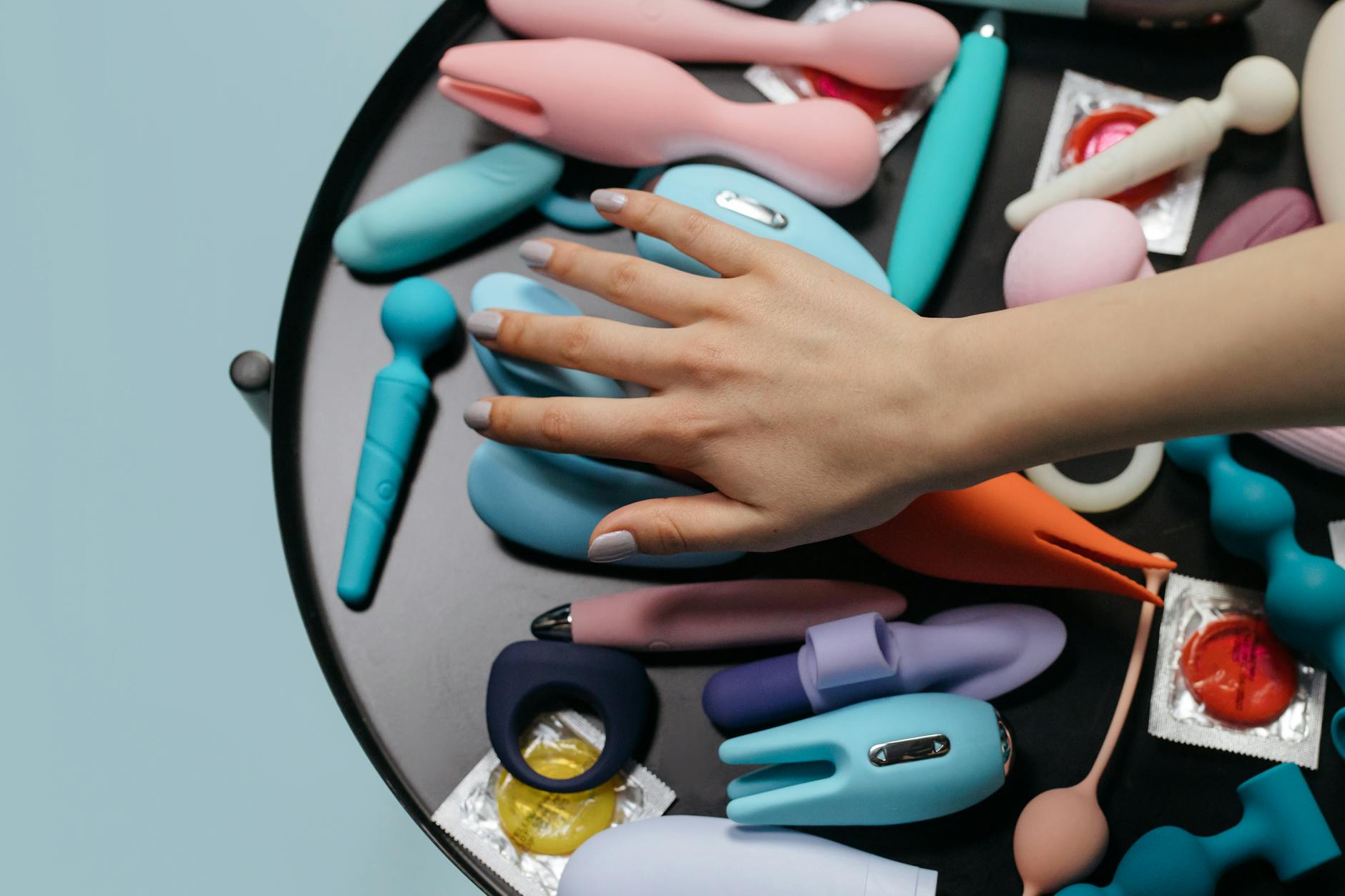
Let's be honest about sexual breaks
Months without sex isn't unusual. A major relationship shift, health issue, grief, burnout, or just losing track of time while life got loud. The break happens. But then restarting feels harder than it should. Your body feels different. Your confidence is a little shaky. The last thing you want is pain, awkwardness, or pressure.
This is where lemon vibrators change the equation. Not because they're magic, but because they solve the specific problems that come with a sexual hiatus: reduced sensation, slower arousal, anxiety about whether things still work, and the need to rebuild trust with your own body.
What actually happens during an extended sexual break
When you're not sexually active for months, your body doesn't forget how to respond. But it does shift. Blood flow to genital tissue decreases. The pelvic floor can become tighter or lose tone depending on how you hold stress. Arousal takes longer to build because the neural pathways aren't being primed regularly. For people with vulvas, reduced blood flow means the clitoris is less engorged and less sensitive to touch.
That's not failure. That's physiology. And it's completely reversible.
What makes lemon vibrators particularly useful here is their design. A clitoral suction vibrator like the Lem applies gentle, consistent pressure without requiring the same responsiveness your body had before. You're not waiting for arousal to build enough to feel something subtle. The device does the work while your nervous system slowly wakes up.
Why sensation-building matters more than you think
After a sexual break, many people jump back in the way they left off. That rarely works. Your body needs a reintroduction, not a reunion. This is where a lemon clitoral vibrator becomes essential.
Sensation-building with a gentle lemon sucker isn't foreplay. It's recalibration. You're retraining the nerve endings in your clitoris to respond to stimulation. You're teaching your brain that pleasure is possible again. You're collecting evidence that your body still works, which sounds obvious until you're lying there thinking it doesn't.
The suction pattern on a lemon clitoral vibrator does this better than other designs because it's not relying on your current sensitivity level. A wand vibrator, for comparison, requires more direct clitoral awareness and responsiveness. If your sensation is dulled from months away, a wand can feel either overwhelming or pointless. A lemon vibrator sits in the middle. It's substantial without being abrasive.
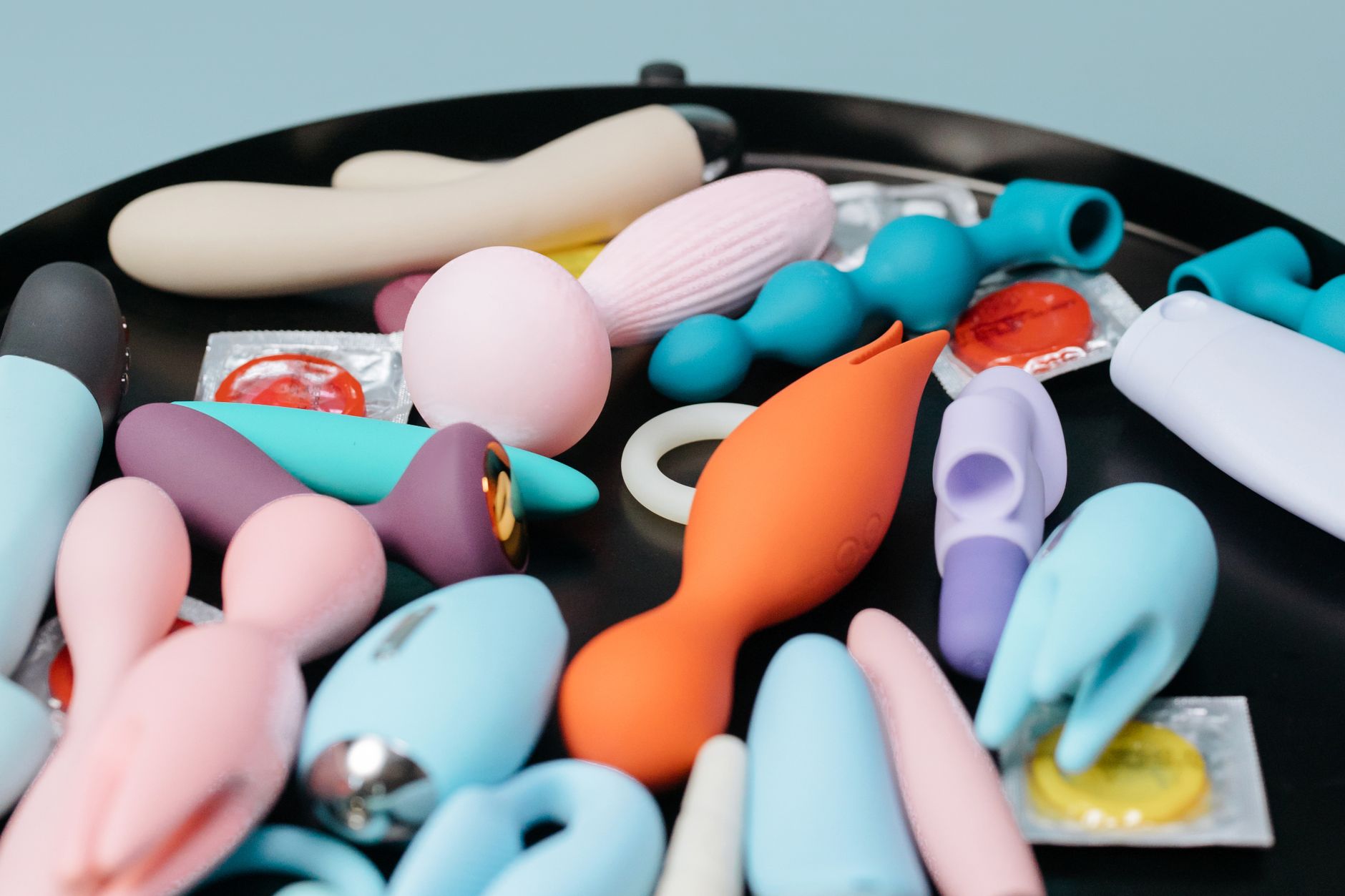
Photo by cottonbro studio on Pexels
How to actually restart with a lemon vibrator
The first time back isn't the time to push intensity. Here's the protocol I recommend to almost everyone restarting after a break.
Start with the lowest setting. Not because you need to baby yourself, but because you're gathering baseline data. How does pattern one feel? Give it two minutes. Move to pattern two. Most people find their sweet spot on patterns two or three, not the highest setting.
Budget 15 to 25 minutes. Not because this is a speedrun, but because arousal after a break is slower. Your body needs time to remember what you're asking of it. Rushing it teaches your nervous system that pleasure is rushed, which creates more resistance next time.
Lubricant helps. Water-based is fine, especially if you're already producing some natural lubrication. The combination of a lem vibrator plus a little extra slip reduces friction and signals to your body that this is safe and comfortable, not forced.
Stop if there's pain. Soreness the next day or mild friction sensitivity is normal. Sharp pain or burning isn't. If pain shows up, take a break for a few days and try again with more lubricant and lower intensity. If it persists, a gynecologist can rule out atrophy or other issues.
The psychological side matters as much as the physical
Here's what I see most often with clients returning to sex after a long break. The physical part is solvable. Sensitivity comes back. Arousal builds. Orgasms are achievable again. The harder part is the mental reset.
You might feel guilt for having stepped away. You might worry that your partner (if you have one) sees you as broken or uninterested. You might have a narrative running that says your body doesn't work anymore. None of that is true. But vibrators work on the brain as much as the body.
Using a lemon clitoral vibrator solo first is important. It's permission to explore without pressure. There's no partner waiting for you to perform. No expectation except your own. Your body can wake up at its own pace. That psychological reset is often the most valuable part.
If you have a partner, using a lemon vibrator together can also rebuild intimacy without the performance pressure that penetrative sex sometimes carries. The focus shifts to sensation and discovery instead of finishing. That's a different kind of connection.
When to bring a partner into the equation
If you're restarting with a partner, frame the conversation clearly. "My body has shifted during this break. I want to explore together without pressure. Lemon vibrators are good for this because they take the focus off what my body can do and put it on what feels good." That conversation matters as much as the tool itself.
Couples often find that exploring together with a lemon clitoral vibrator rebuilds trust faster than jumping back into partnered sex. You're creating new shared experiences instead of comparing the break to the before times. You're both learning what works now, not what worked six months ago.
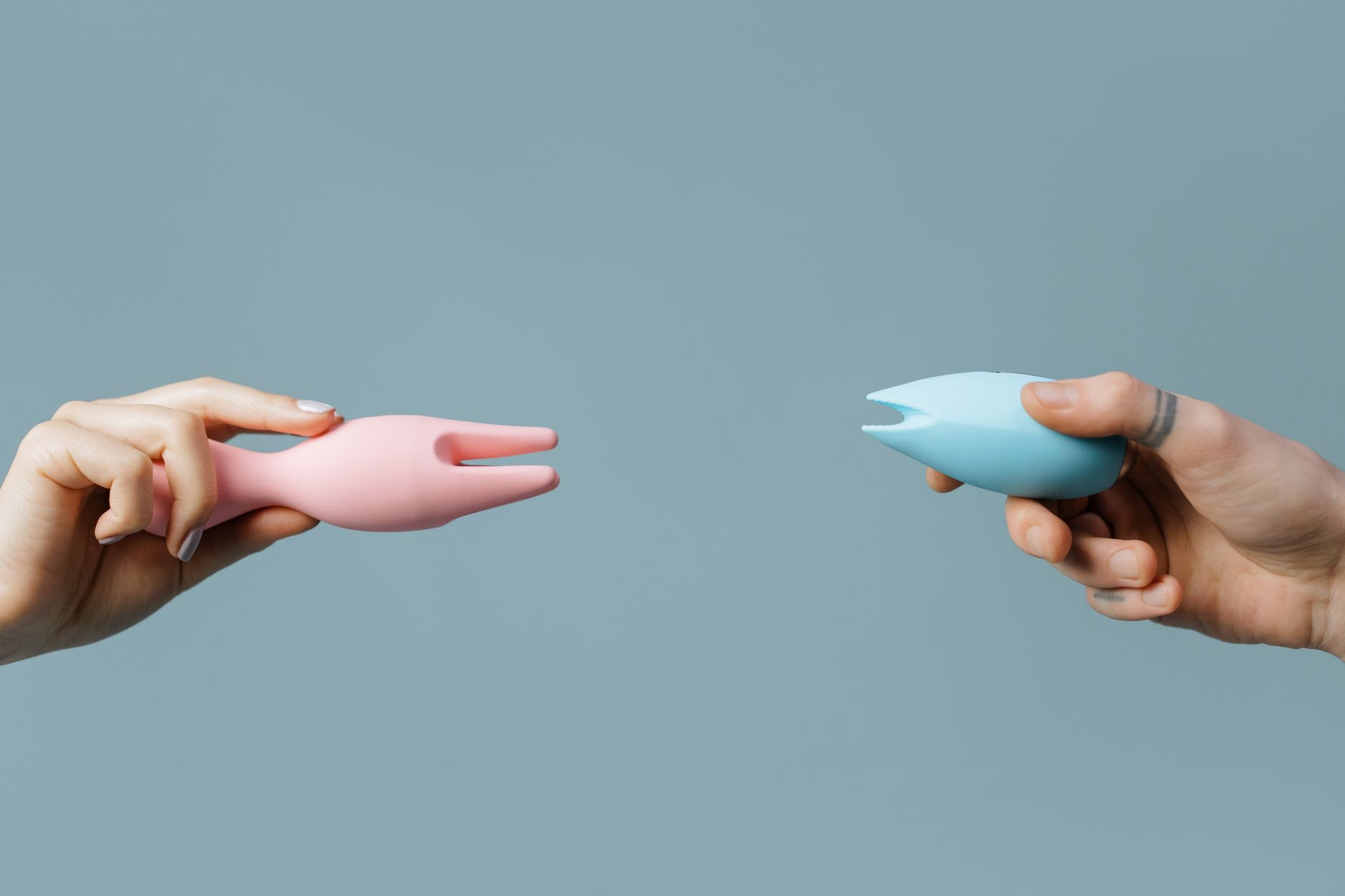
Photo by cottonbro studio on Pexels
Addressing the guilt and shame piece
There's a common narrative that taking a sexual break means something is wrong. With your relationship. With your body. With you. That's backward. Sometimes life demands that sex is deprioritized. That's normal. Coming back from it requires acknowledgment, not judgment.
A lemon vibrator is a straightforward tool for restarting. It's not a fix for a broken thing. It's a bridge for a normal life transition. Using one says nothing except that you're intentional about reconnecting with your body and your pleasure. That's actually the opposite of shame.
The timeline is different for everyone
Some people feel ready to restart after a month away. Others need three or four months. There's no standard. What matters is that when you do restart, you have tools that work with your current body and nervous system, not against them.
A lemon vibrator is that tool because it doesn't require your body to already be primed and ready. It works whether you're numb or oversensitive. It builds sensation gradually instead of demanding it immediately. After a sexual break, that's the difference between restarting successfully and bouncing back into avoidance.
The fact that you're thinking about restarting at all is already a victory. Your body hasn't forgotten how to respond. You just need the right conditions and the right tool to remember.
FAQs about restarting with lemon vibrators
How long after my sexual break should I wait before using a vibrator?
There's no rule, but I usually suggest waiting until you feel even a tiny spark of curiosity rather than pressure. That might be two weeks in or two months. If you're feeling completely disconnected from sexuality, pushing a vibrator into it creates the opposite effect. The spark comes first. The tool follows.
Will using a lemon vibrator alone make it harder to respond to partnered touch later?
No. Solo pleasure and partnered pleasure involve different neural pathways. Using a lemon clitoral vibrator on your own teaches your body that sensation is possible again. That knowledge carries into partnered sex. It doesn't replace it.
What if I don't feel anything even with the lemon vibrator?
That's not uncommon after a long break. Give it three to five solo sessions before concluding anything. Your nervous system is literally waking up. Sometimes it takes a few tries for the signal to get through. If you're still feeling nothing after five sessions with various patterns and plenty of time, check in with a doctor. It could be medication-related, hormonal, or other physical factors worth exploring.
Is it weird to use a vibrator if I'm in a relationship?
Not at all. Vibrators are part of healthy sexuality for individuals and couples. They're especially useful during transitions like returning from a sexual break. Many partners find that knowing their partner is actively reconnecting with pleasure reduces their own anxiety about restarting.
Should I tell my partner I'm restarting with a lemon vibrator?
That depends on your relationship agreements. In most couples, this conversation is helpful. It removes mystery and reduces the chance your partner thinks the break was about them. You're not using a vibrator because they're not enough. You're using one because your body needs to rebuild sensation on its own first.
How often should I use a lemon vibrator when restarting?
Once or twice weekly is a good rhythm. Enough to rebuild the neural pathways and blood flow. Not so much that it becomes obligatory. You're building a relationship with your pleasure, not training for a marathon.
You're not starting from zero
A sexual break doesn't erase your body's capacity for pleasure. It just pauses it. Using a lemon clitoral vibrator isn't about fixing something broken. It's about reactivating something that was temporarily dormant. Your body knows how to do this. You just needed the right conditions and the right tool to begin again.