
The sensitivity problem no one talks about
You're not alone if a wand vibrator makes you flinch. That buzzing, aggressive pattern that feels amazing to some people can feel numbing, overwhelming, or straight-up painful if your clitoris is on the sensitive side. For years, the solution was either "just use it with your underwear on" or "your body must be broken somehow." Both are garbage advice.
Here's what's actually happening. Wand vibrators use direct vibration against tissue. On a sensitive clitoris, that's like pressing a buzzer directly onto a nerve ending. A lemon clitoral vibrator works through suction and gentle pulse rhythms instead. Same result. Completely different sensation.
How wand vibrators stimulate tissue
Wand vibrators are straightforward. The motor creates vibrations that travel through the silicone head and into the tissue below. That works beautifully if your nerve endings are less reactive. But if you have a sensitive clitoris, those vibrations can feel sharp, jarring, or even painful because the intensity is constant and direct.
There's also the issue of pressure. Most wands require you to hold them against your body with some firmness to feel anything. That pressure itself can be uncomfortable on sensitive tissue. You end up in a catch-22: press harder to feel the vibration, but pressing harder makes the pain worse.
Add to that the sheer relentlessness of a wand. Once it's on, it's buzzing at a fixed speed and intensity. If it's too much, you can only turn it down or off. There's no in-between that feels right.
What lemon vibrators do differently
Lemon suction vibrators work on a completely different principle. Instead of vibrating directly against tissue, they create a gentle sucking sensation paired with soft pulses. Think of it more like the build-up of pressure and release, rather than a constant buzz.
This matters because sensitive nerve endings respond better to pulsing patterns than to constant vibration. Your body can read the rhythm. It builds. It releases. That creates arousal and orgasm without the raw, exposed feeling that direct vibration can cause.
The suction also means you don't need to press hard. The device creates the seal, not your body. That alone changes everything for anyone with clitoral pain, vulvodynia, or just naturally high sensitivity. You're holding it in place, not forcing pleasure into reluctant tissue.
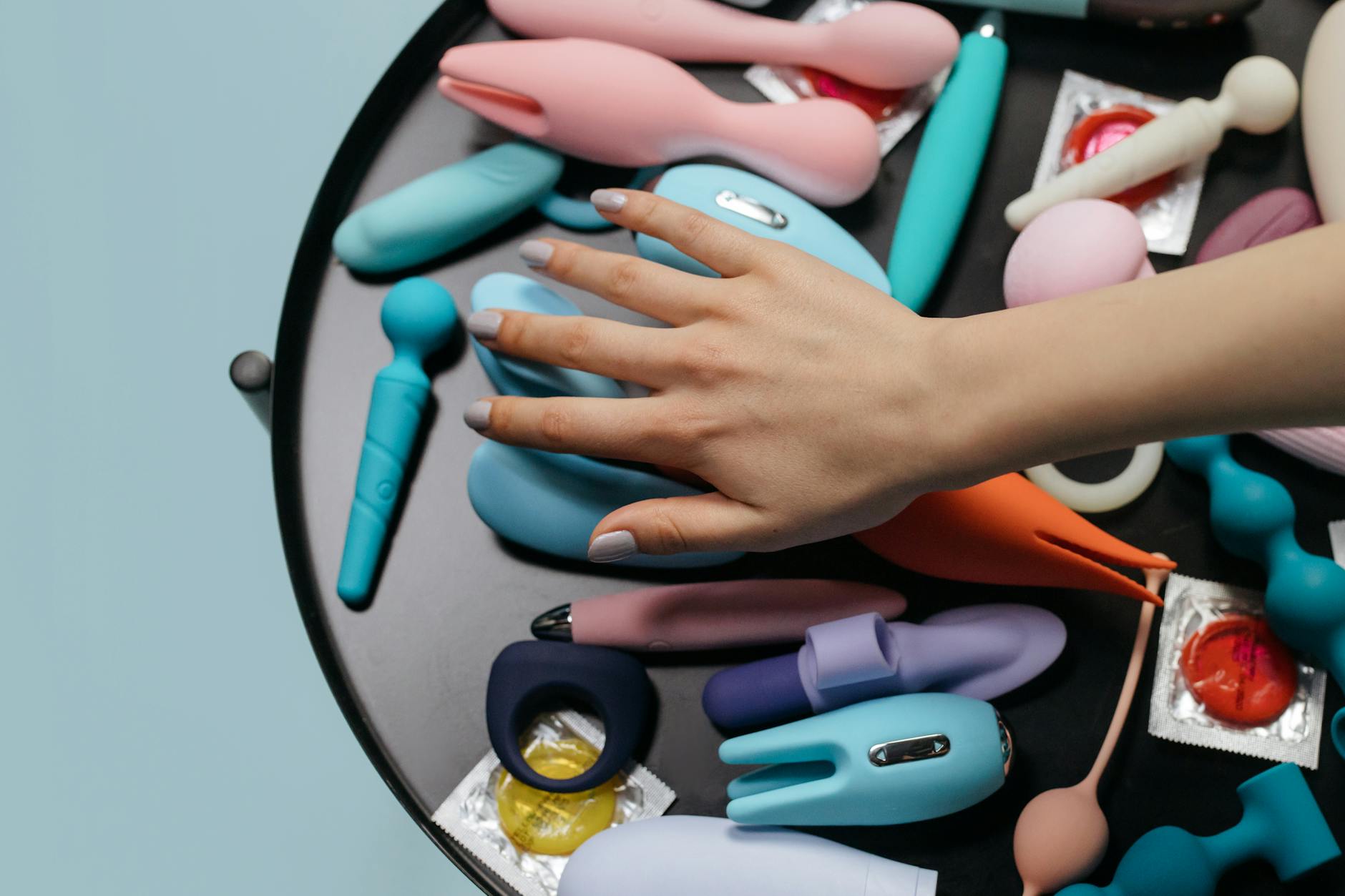
Photo by cottonbro studio on Pexels
Why pattern variety matters more than you'd think
Most wand vibrators have maybe three or four patterns. A lemon vibrator typically has eight to ten. But it's not just about having more options. It's about having patterns that work for sensitive bodies.
With a wand, "gentle" usually just means "vibrate a little less fast." With a lemon suction vibrator, "gentle" can mean a slow, rolling pulse that barely touches the skin. Some patterns pulse at different rhythms. Others layer pulses so it feels like waves rather than constant pressure.
If you're sensitive, you're likely already tuned into your body's signals. You know what hurts and what doesn't. A lemon vibrator gives you the control to find the exact pattern that works for you, not just a dimmer switch on the same basic sensation.
The comfort advantage when you're dealing with pain
This is where the difference becomes really practical. If you have vulvodynia, post-surgical sensitivity, or just a naturally reactive clitoris, wand vibrators can trigger pain that then takes hours to calm down. That's not worth the frustration.
A lemon vibrator, by contrast, lets you explore sensation at your own pace. The suction is gentle. The patterns are varied. You can start at the lowest setting and feel something real without that sharp, invasive buzzing. Many people with clitoral sensitivity find they can actually enjoy penetrative or partnered sex without pain when they've been using a lemon suction vibrator regularly.
That's not coincidence. Gentle, rhythmic stimulation does something to your nervous system that aggressive vibration doesn't. It soothes while it arouses. It builds pleasure without triggering pain responses.
What happens during arousal matters
When you're starting from a place of sensitivity, your body is already guarded. Wand vibrators can feel like an assault at worst or a distraction at best because they don't feel related to pleasure. They feel like something happening to you, not something you're inviting in.
With a lemon clitoral vibrator, the sensation feels more like building arousal naturally. The pulsing patterns mimic the rhythms of actual sexual response. Your body recognizes it and cooperates. You move into arousal instead of bracing against stimulation.
This is huge for people whose sensitivity is tied to anxiety or past experiences. A tool that feels collaborative rather than overwhelming can be the difference between shame and trust in your own body.
Intensity doesn't mean pain
Let's be clear: a lemon suction vibrator can deliver intense pleasure. It's not a "compromise" toy for people who can't handle "real" stimulation. It's just a different way of building intensity. You can get to powerful orgasms with a lemon vibrator, but you get there through building pressure and release, not through buzzing harder.
Some people with sensitive clitorises actually find that lemon vibrators let them experience more intense pleasure than wands ever did, because the pattern feels pleasurable rather than painful from the first moment.
How to start if you're switching from wands
If you've been using wands and want to try a lemon suction vibrator, go in expecting a different experience, not a gentler version of the same thing. They're not comparable. Start with the lowest setting and a basic pattern. Let your body adjust for a few sessions.
Your clitoris might need time to remember what pleasure feels like separate from pain. That's normal. Two or three uses in, you'll start noticing what patterns feel best. Some people gravitate toward steady pulses. Others prefer the rhythm-changing patterns that feel more like partnered sex.
Use water-based lubricant if the seal feels uncomfortable. That's not a sign of failure. It's smart adjusting. The goal is sensation, not proving anything.
When lemon vibrators aren't the only answer
If you're experiencing clitoral pain with any toy, it's worth checking in with a healthcare provider. Vulvodynia, post-surgical sensitivity, hormonal shifts, and other conditions need proper support. A lemon vibrator can coexist beautifully with treatment plans, but it's not a substitute for care.
Same goes if you suspect your sensitivity is tied to medication side effects or stress. A new toy won't fix those root causes, though it might help you stay connected to pleasure while you sort them out.
For most people with sensitive clitorises though, switching to a lemon clitoral vibrator is a revelation. It's not that your body is broken. It's that wand vibrators were never the right tool in the first place.
The bigger picture
Sensitivity isn't a flaw. It's information. Your body is telling you what it actually needs. Wand vibrators work for millions of people, which is why they're everywhere. But they're not universal. If they've never felt right to you, that's not a reflection on you or your capacity for pleasure.
A lemon suction vibrator is built on a different logic. It respects sensitivity while delivering real, transformative pleasure. If you've been white-knuckling through wand vibrators or avoiding toys altogether because of pain, it might be exactly what your body has been waiting for.
People also ask
Why do wand vibrators hurt my clitoris?
Wand vibrators use constant, direct vibration that can feel sharp or overwhelming on sensitive nerve endings. If your clitoris is naturally reactive, highly sensitive from past trauma, or dealing with conditions like vulvodynia, that direct buzzing can trigger pain instead of pleasure. Suction-based vibrators like lemon toys distribute stimulation differently, which many sensitive people find more comfortable.
Can you use a lemon vibrator if you have vulvodynia?
Yes. Many people with vulvodynia find lemon suction vibrators gentler and more manageable than traditional wand vibrators because suction doesn't require the same direct pressure on painful tissue. That said, if you have vulvodynia, work with a healthcare provider or pelvic floor therapist to understand your specific sensitivity and how different stimulation types affect your pain. A lemon vibrator can be part of that exploration, not a replacement for professional support.
Do lemon vibrators feel less intense than wands?
No. They feel different, not weaker. The intensity builds through pulsing patterns and suction rather than constant vibration. Many people experience more intense pleasure with a lemon vibrator than they ever did with a wand because the sensation feels pleasurable from the start instead of painful. Intensity isn't about how much it buzzes. It's about how your nervous system responds.
How long does it take to adjust to a lemon vibrator if you're used to wands?
Most people notice a difference within one or two uses. After three to five sessions, you'll likely have a sense of which patterns work best for your body. Adjustment doesn't mean your body is slow or broken. It just means your nervous system is learning a new signal. Go slowly, use lubricant if you need it, and pay attention to what feels good rather than forcing yourself to like it immediately.
Are lemon vibrators good for beginners with sensitive bodies?
Absolutely. If you're exploring vibrators for the first time and you know your clitoris is sensitive, starting with a lemon vibrator is smart. You'll experience pleasure without the overwhelming buzz of a wand, and you'll get a sense of what patterns your body actually enjoys. That's a way healthier starting point than forcing yourself through a wand vibrator that hurts and then swearing off toys.
Can I use a lemon vibrator with a partner?
Yes. The small size makes it easy to use during partnered sex. Many couples find that lemon suction vibrators are less distracting than wands and create less noise, which some people appreciate. If your sensitivity has made partnered sex difficult or painful, a lemon vibrator can help you relax into arousal, which often changes the whole dynamic.
The bottom line
If wand vibrators have felt painful, overwhelming, or just fundamentally wrong for your body, that's real information, not a personal failing. Lemon clitoral vibrators work through suction and pulsing patterns that feel completely different. For sensitive bodies, that difference is often transformative. Your pleasure matters. You deserve a tool that honors your sensitivity instead of fighting it.