The numbness nobody warns you about
You've been on the same hormonal medication for five, ten, sometimes fifteen years. It works for what it's supposed to do. But somewhere in that timeline, pleasure stopped showing up the way it used to. Not dramatically. Just... less. Flatter. Like someone dimmed the brightness on sensation itself.
This isn't your imagination. Long-term hormonal medication changes how your nervous system responds to touch. It's one of the most common side effects that nobody talks about because it's awkward and because there's often no easy fix. Except there actually is one, and it has to do with how lemon vibrators work differently than other toys.
What hormonal medications actually do to sensation
Hormonal birth control, antidepressants that suppress estrogen, and long-term hormone replacement therapy all suppress or alter neurotransmitters that fire during arousal. The two biggest culprits are dopamine and serotonin. Both are essential for feeling pleasure in the first place.
When dopamine dips, sensation becomes muted. Touch that used to feel electric now feels like pressure. You're still capable of orgasm, technically, but getting there requires an exhausting amount of stimulation. It's like trying to hear someone across a loud room when your hearing is turned down to half volume.
Estrogen also affects blood flow to genital tissue, and blood flow is what creates that responsive, alert feeling in your clitoris. Lower estrogen means less engorgement, which means less feedback from touch. Your body is doing exactly what these medications are designed to do. The problem is that nobody talks about the secondary cost.
Why standard vibrators don't work for medication-dulled sensation
Most vibrators rely on rapid oscillation to stimulate nerve endings. They buzz. The faster they buzz, the more intense the sensation is supposed to be. But here's the frustrating part: when your baseline sensation is already suppressed, adding more oscillation doesn't always help. It just feels like a numb buzzing.
It's like turning up the volume on a muffled speaker. The sound gets louder, but it doesn't get clearer. You still can't hear the words.
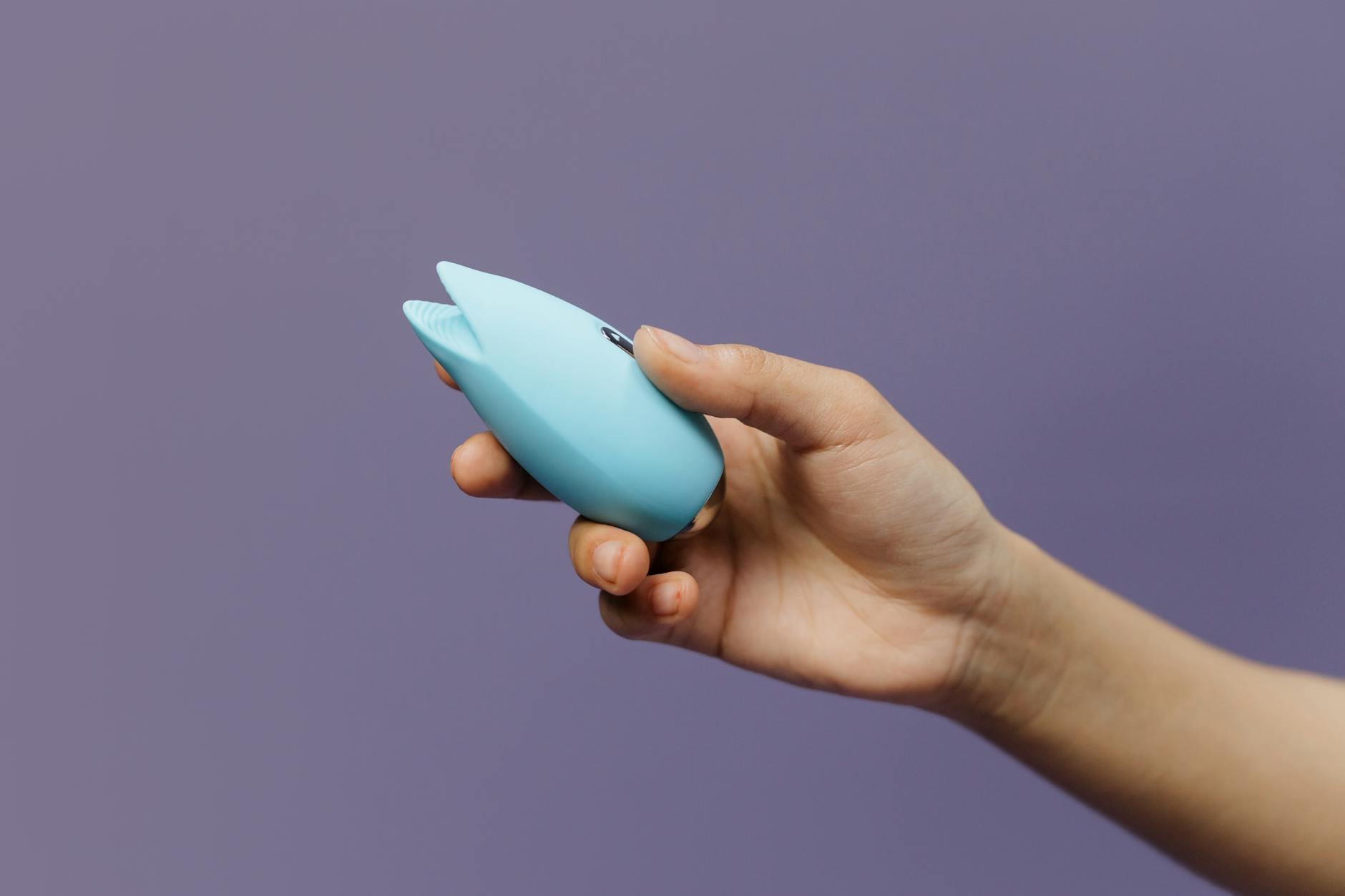
This is where the design of lemon vibrators actually matters. Unlike traditional vibrators that rely on vibrational frequency, lemon clitoral vibrators use suction technology. Suction works by creating rhythmic pulses of negative pressure against tissue, which stimulates a completely different set of nerve pathways than vibration alone. It's not adding more intensity to a dull signal. It's using a fundamentally different mechanism to wake up sensation.
How suction technology reaches sensation that vibration misses
Your clitoris has approximately 8,000 nerve endings, but not all of them respond the same way to the same input. Some are sensitive to pressure. Some respond to texture. Some light up specifically for suction and pulling sensations. When your baseline sensation is suppressed by medication, the nerves that respond to suction are often still partially awake, even when the ones that respond to vibration have gone quiet.
This is why people on long-term hormonal medication often report that a lem vibrator feels like the first real sensation they've had in months or years. It's not magic. It's that the suction mechanism is recruiting nerve endings that standard vibrators simply can't reach.
Think of it this way: if vibration is like knocking on a door, suction is like the door opening inward. It's a pulling, drawing sensation rather than a pushing one. That distinction matters when sensation is flattened.
The adjustment period when sensation has been numb
When you've been on medication for years and sensation has dimmed, it takes time for your nervous system to remember what it's supposed to do. This is important: you're not broken. Your nerves aren't dead. They're just sleeping.
The first time you use a lemon clitoral vibrator after years of medication-dulled sensation, it often feels strange rather than immediately amazing. It might feel intense in an unfamiliar way. It might feel like nothing at all. Both are normal.
Here's what helps: start at the lowest setting. Use it for 5-10 minutes without expectation. You're reintroducing your nervous system to sensation, not forcing an orgasm. Many people find that the second or third time they use it, the response is noticeably stronger. Your body is learning to feel again.

Photo by cottonbro studio on Pexels
The role of lubrication in sensitivity recovery
Hormonal medication also thins the vaginal and vulval tissue, which means the skin is more prone to irritation. This creates a frustrating catch-22: you need stimulation to wake up sensation, but stimulation without proper lubrication can feel raw or painful.
Water-based lubricant is non-negotiable here. Don't skip it thinking you need to "feel" more. Good lubrication actually lets you feel more because there's no pain overlaying the sensation. Start with a generous amount. Reapply as you go. The goal is for the experience to feel smooth, not rough.
Some people find that silicone-based lube feels better on medication-sensitive tissue because it's richer and stays in place longer. Just remember that silicone lube can damage silicone toys, so if you choose to use it, pair it with a toy made from a different material. Lemon vibrators are typically silicone, so stick with water-based unless your specific device says otherwise.
Timing and patience when sensation rebuilds
Medication-flattened sensation doesn't come roaring back overnight. Expect a 2-4 week adjustment period where you're using your lemon vibrator regularly, learning what settings and patterns feel good, and gradually noticing that sensation is returning. Some people feel it sooner. Some take longer. Both timelines are completely normal.
Consistency helps. Using your lem vibrator 2-3 times per week gives your nervous system a clearer message that sensation is coming back online. Sporadic use works too, but it takes longer for the rewiring to stick.
During this period, don't measure progress by whether you orgasm. Measure it by whether sensation feels different. Stronger. More present. More yours. Orgasm will follow once your nervous system has enough signal to build toward it.
When to talk to your doctor about medication adjustments
Sometimes numbness is manageable with the right tools. Sometimes it's so severe that it's worth revisiting your medication plan with your prescriber. Both are valid choices.
If you've been on the same birth control for years and sensation is gone, your doctor can discuss other formulations that might have a gentler effect on desire and sensation. If you're on an antidepressant that's flattening pleasure, there are other options that affect dopamine and serotonin differently. Some people switch doses. Some add a second medication to counteract the sexual side effects.
The point is: sensation loss from medication isn't something you have to accept as permanent. It's often changeable. But changing medication takes time to adjust, so using a lemon clitoral vibrator while you're working with your doctor on the bigger picture is a practical strategy.
Building back arousal with realistic expectations
One of the hardest parts of medication-dulled sensation is the emotional weight of it. You may feel disconnected from your body. You may feel broken or undesirable. You're not. Your nervous system is doing exactly what chemistry makes it do.
When you start exploring sensation again with a lem vibrator, go in knowing that rebuilding pleasure isn't linear. You'll have days where sensation feels bright and days where it feels muted again. That's normal neurological fluctuation, not failure. You're not losing progress. You're learning what your body's baseline is now, and from there, you can build.
Many people find that over weeks and months, sensation not only comes back, but comes back differently. Sometimes better. The orgasms people report after years of medication numbness are often more focused, more satisfying, because you're not chasing the old familiar feeling. You're discovering new patterns in how your body responds.
That's worth the waiting and the patience.
FAQ: Lemon Vibrators and Medication-Reduced Sensation
How long does it usually take to feel sensation return after being on hormonal medication for years?
Most people notice some shift within 2-4 weeks of regular use. By 8-12 weeks, the change is usually obvious. But this varies widely depending on how long you've been on medication, your specific hormone levels, and your individual nervous system response. Some people feel something shift in days. Others take months. Both timelines are completely normal and don't predict overall progress.
Can I use a lemon vibrator if I'm still taking the medication that's causing the numbness?
Absolutely. In fact, that's often the most helpful time to use it. A lem vibrator doesn't require your medication to stop working. It's a tool that helps your nervous system respond despite the medication's effects. Many people use lemon clitoral vibrators long-term while staying on birth control or antidepressants that work well for them otherwise.
Will using a lemon vibrator make my medication less effective?
No. Using a vibrator has no impact on how your medication works. It doesn't change your hormone levels or neurotransmitter balance. It's purely a mechanical and sensory tool. You can use it without any concern that it's interfering with your prescription.
Why does suction feel different than vibration when sensation is already numb?
Suption recruits different nerve pathways than vibration. When numbness is flattening your response to vibrational frequency, the nerves that respond to suction and pulling sensations are often still partially responsive. It's not that suction is "better" universally. It's that when sensation is medication-suppressed, suction often reaches what vibration misses. Some people prefer it anyway. Others find it works better specifically when sensitivity is low.
Is it normal for a lemon vibrator to feel like nothing the first time I use it?
Completely normal. After years of suppressed sensation, your nervous system needs time to recognize stimulation as stimulation. The first experience is often just information gathering. By the second or third use, most people feel a noticeable difference. If it still feels like nothing after a month of regular use, it might be worth talking to your doctor about whether medication adjustment is an option.
Can I combine medication and a lemon vibrator and also consider stopping my medication to see if sensation returns?
Yes, and this is actually a smart approach. Some people work with their doctor to slowly taper their medication while using a lemon vibrator regularly. This lets you see which changes come from medication adjustment and which come from the stimulation itself. It takes longer, but it gives you clarity about what's actually happening with your body.
The slow return to feeling
Medication-dulled sensation feels permanent when you're in the middle of it. You start to believe that this is just how your body works now. Numb. Responsive to nothing. But sensation doesn't stay gone forever. It's patient. It waits for the right conditions to come back online.
A lemon vibrator is one of those conditions. Not a cure, not magic, but a tool specifically designed for the way numbness actually works. When your nervous system is suppressed by long-term hormonal medication, suction technology recruits the right nerves. Consistency teaches your body that sensation is possible again.
Start where you are. Use water-based lubricant. Give it time. Your body will remember how to feel.