Let's start with the real question
You're thinking about introducing a lemon vibrator into your shared intimate life, and you're nervous about it. That's completely normal. In my work as a couples counselor, I've found that the actual device is rarely the source of anxiety. It's the conversation. The moment before you say the words out loud feels enormous because you're stepping outside the familiar rhythm of your partnership.
Here's what matters: couples who talk openly about pleasure end up feeling closer, not more distant. The device is almost beside the point.
Why couples introduce lemon clitoral vibrators (and when)
People bring up lemon vibrators for different reasons. Some couples want to deepen sensation during shared intimacy. Others are navigating a partner's shifting arousal patterns or desire. Some just want to try something new after years of predictable rhythms.
The timing matters less than the readiness. You don't need permission or a perfect moment. You need honesty and curiosity from both people. If either partner is approaching this as a fix for something broken, pause. That's a different conversation and a different solution.
How to start the conversation (without it feeling like a minefield)
Three principles that work:
Lead with your own desire, not a critique. Don't say, "I think we need more excitement." Say, "I've been curious about trying something together." The first version puts your partner on the defensive. The second expresses openness.
Make it specific but low-pressure. "I read about these lemon clitoral vibrators and thought we could explore together if you were interested" is different from "We should probably use toys." Naming the thing and offering a genuine out removes shame.
Ask what they're curious about, not what they think about the idea. Curiosity is safer than judgment. You might ask: "Have you ever thought about using vibrators together?" or "What would feel fun to explore?" This invites possibility instead of demanding an answer.
Then actually listen. Your partner might need time. They might have concerns. They might be equally excited. All of these are fine.
What makes lemon suction vibrators different in partnership
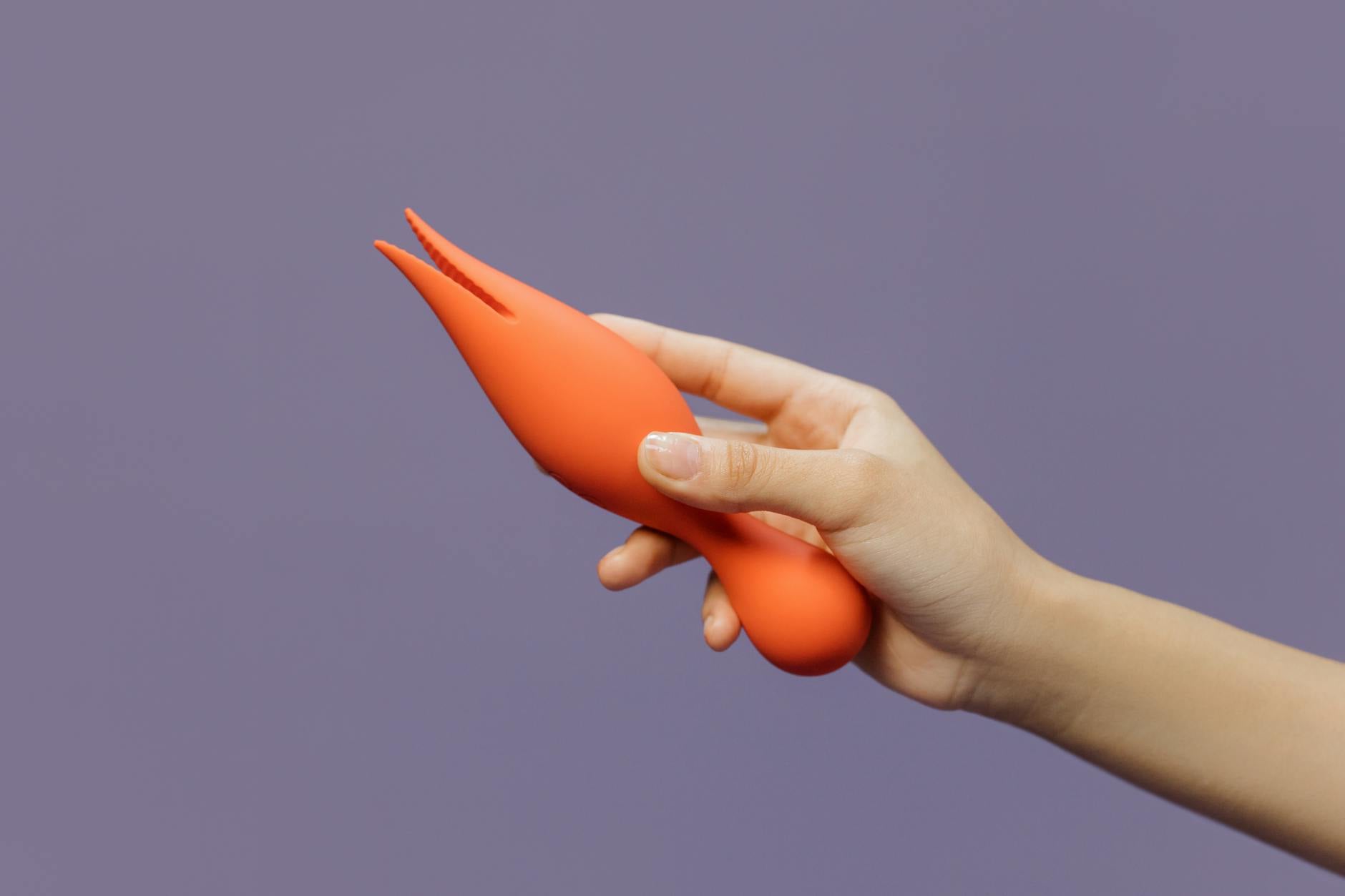
Lemon vibrators use suction technology instead of traditional vibration. This changes how partner play feels. A suction toy like the Lem creates a gentle, rhythmic pulse that stimulates nerves without requiring direct friction. That matters in a couple's context for several reasons.
First, sensation feels less intense and easier to control. If your partner is nervous about toys, the experience can be gentler than expected. You're not introducing a jackhammer into your intimate life. You're introducing a tool that amplifies sensation in a nuanced way.
Second, suction creates different sensations than fingers or a partner's body alone can produce. This opens new territory without replacing what you already do together. It's addition, not subtraction.
Third, the device gives your partner something to focus on physically while you're present emotionally and sensually. Some couples find this takes pressure off performance and creates space for genuine connection. Others love the novelty of sensation. Both are valid.
Positioning and comfort (practical stuff)
In my practice, I see couples stumble on logistics when they've nailed the emotional conversation. Here's what helps:
Start with positions where both partners can see each other. Face-to-face or side-by-side beats positions where you're separated or where one person feels like a spectator. Intimacy with a toy is still intimacy. You're building something together, not performing.
If your partner is the receiver, you might hold the lemon vibrator while they relax. This gives them room to focus on sensation and arousal. Some people like to hold it themselves. Ask. Adjust. There's no script.
Take time. Rushing through the introduction of a new tool defeats the purpose. Spend time with foreplay, conversation, and connection before bringing the toy into the moment. This isn't a sprint.
If something doesn't feel good, say so. Immediately. Not after. This is the golden rule of shared pleasure. Your partner wants to know. They want you to enjoy this. A toy that causes discomfort or self-consciousness isn't the right fit, and you can pivot to something else.
Managing the mental stuff
Here's where the therapy background matters. Sometimes a partner feels anxious because they're worried the toy means their efforts aren't enough. Sometimes someone feels left out. Sometimes there's embarrassment about being seen wanting pleasure.
All of these feelings are real and they're also workable. They don't mean the introduction of a lemon vibrator was a mistake. They mean you have something to talk about.
A few concrete approaches: Name the feeling directly. "I noticed you seemed quiet after we tried that. What came up for you?" Create space for your partner to express what they felt without defending yourself or the device. Listen like you're genuinely curious, because you should be. Then share your own experience. "I felt excited about it, and I also want us to feel good together." That's enough.
If deeper anxiety surfaces, consider a few sessions with a sex-positive therapist or relationship counselor. This isn't overkill. Addressing tension around pleasure now prevents it from calcifying into resentment later.
Maintenance and care (the practical part)
Once you've introduced a lemon clitoral vibrator into your shared life, treat it well. Silicone toys require water-based lubricant only. Store them in a cool place, away from other silicone toys that might degrade each other. Charge before use. Clean after with warm water and mild soap.
This might sound fussy, but maintenance is part of respect. You're both investing in this. The toy lasts longer when you care for it, and that signals that you're serious about using it.
What changes after you've crossed this bridge
In my experience, couples who introduce toys together often report feeling more creative and playful in their intimate life generally. The conversation skill you developed transfers everywhere. You've practiced asking for what you want. You've navigated a moment of vulnerability. You've tried something new and survived.
That builds confidence. Next time one of you wants to try something or needs to request a change, it's easier. You've already proven you can do this together.
FAQ
Can we use a lemon vibrator if we're just starting to explore toys together?
Absolutely. In fact, a lemon suction vibrator is often easier for couples new to toys than traditional vibrators. The sensation feels gentler and more controllable. Start with the device on a lower intensity setting and take time with foreplay. You're learning together, so the pace is yours to set.
What if one of us isn't interested but the other is?
This is common and it's worth exploring without pressure. Sometimes a partner needs time or reassurance. Sometimes the interest just isn't there, and that's fine. You can use a toy independently, or you can find other ways to deepen intimacy. The goal is connection, not a specific practice.
How do we choose between different lemon vibrators or adult toys?
Consider what sensation appeals to both of you. Some people prefer suction (like the Lem). Others like traditional vibration or wand-style stimulation. Size and ergonomics matter too. If you're uncertain, start with a smaller device that feels less intimidating. You can always explore other options later.
Is it normal to feel self-conscious the first time?
Completely normal. Vulnerability around pleasure takes practice. Remember that your partner chose to be here with you. They're not judging your body or your desires. If self-consciousness lingers beyond the first few times, talk about it. Sometimes it helps to dim the lights or focus on sensation rather than appearance.
Can lemon vibrators improve desire or arousal in a long-term relationship?
They can help. A tool that creates novel sensation might spark interest in intimacy when routine has dulled things. But the real work is the conversation and the willingness to explore together. The vibrator is an invitation, not a solution. The connection is what matters.
What if we try this and one of us regrets it?
You can always put the toy away. This isn't a commitment. It's an experiment. If it's not working, that's data. Talk about what didn't feel good and what you'd want to try instead. Some couples love toys. Others prefer to stay with their bodies and fingers. Both are completely valid.
The thing nobody tells you
Introducing a lemon vibrator or any toy into your partnership is actually a rehearsal for deeper conversation. You're learning to say what you want. You're learning to listen when your partner says what they want. You're learning that vulnerability doesn't end the relationship, it deepens it.
The toy is almost secondary. The real work is the willingness to explore pleasure as a team, to talk about desire without shame, and to stay curious about each other even after years together. If you can do that around a vibrator, you can do it around anything.
Start with the conversation. The rest follows naturally.