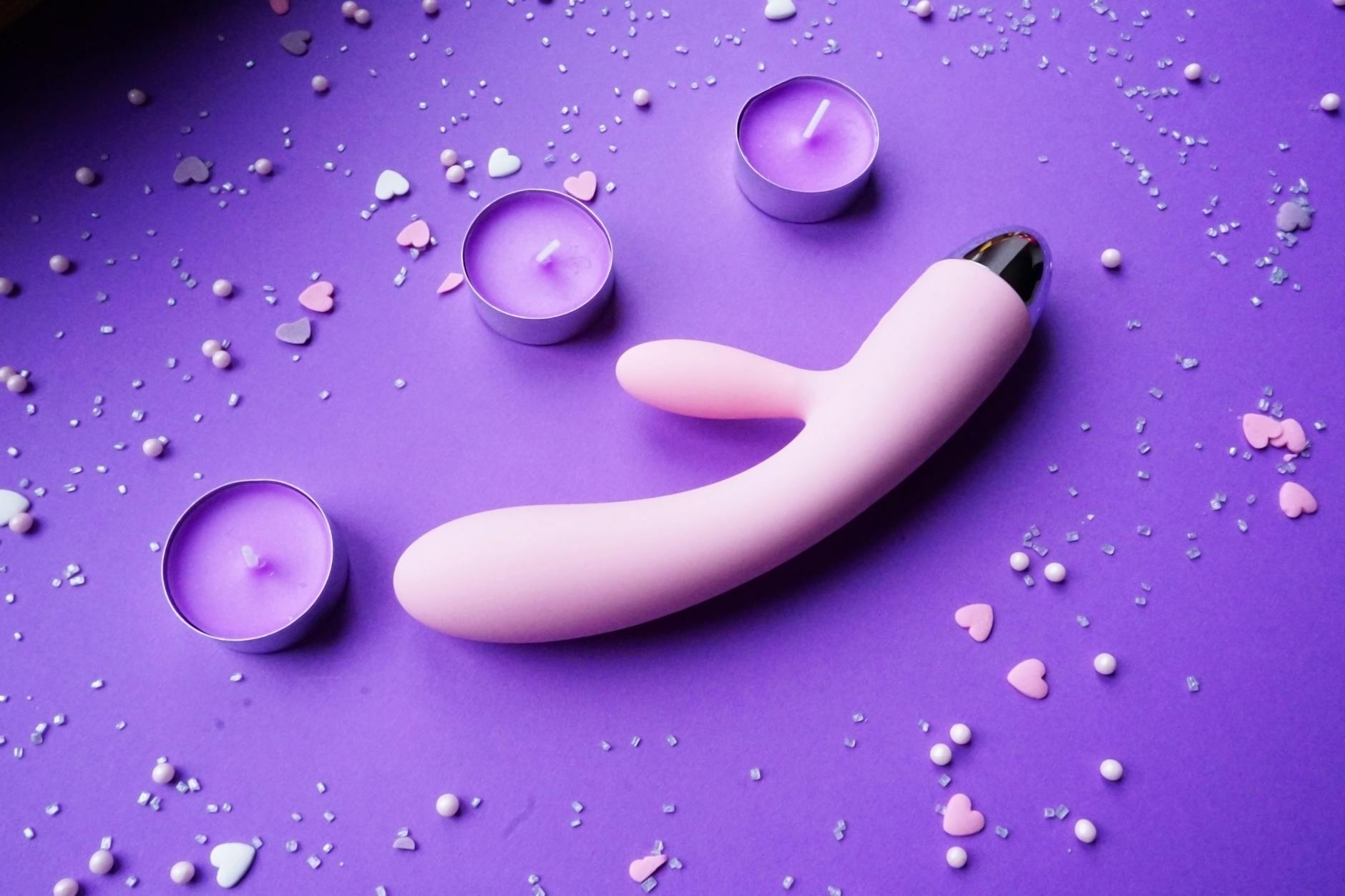
Lemon Vibrators After Divorce: Rebuilding Pleasure on Your Terms
Divorce ends a marriage. It doesn't end your sexuality. But it can feel like starting from zero, especially if years were spent calibrating your pleasure around someone else's preferences, timing, or comfort level.
The good news: you get to start over. Not from shame or damage, but from curiosity. And tools like lemon clitoral vibrators can be part of that exploration in ways that feel safe, solo, and entirely yours.
Why pleasure feels different after divorce
Let's separate the physical from the emotional, because they're not the same thing. After divorce, your body hasn't changed. What has changed is permission.
For years, maybe decades, your sexuality existed in a relational context. Whether that relationship was joyful, mediocre, or quietly painful, your pleasure was entangled with someone else's needs, insecurities, schedule, or expectations. You learned to desire on a timer. You learned to prioritize their comfort over your own sensation. You learned to want what was available, not necessarily what you wanted.
Divorce removes that audience. Suddenly you're alone with your own body, and that can feel like standing in an empty room after years of noise.
The fear that shows up first
Most people don't name this directly, but I see it in therapy constantly. After divorce, there's a quiet fear: "What if I'm broken? What if my sexuality was always dependent on having a partner?" Or the flip side: "What if I discover I want something completely different, and that means I was lying the whole time?"
Neither is true. Bodies change. Desires evolve. And sexuality in isolation feels different than sexuality in relationship. That's not damage. That's just anatomy and psychology doing what they do.
Using lemon sexual toys alone, without performance pressure or someone else's timeline, lets you separate your own sensation from relational expectation. You get to feel what pleasure actually feels like when it's just for you.
Why lemon clitoral vibrators work for this moment
Let me be specific about mechanics, because this matters. A lem vibrator uses suction technology rather than traditional vibration. That distinction is important post-divorce, for two reasons.
First, suction feels less aggressive. If you've spent years managing another person's pace or intensity preferences, diving straight into a powerful vibrator can feel overstimulating or even punishing. Lemon vibrators let you start at pattern one and build slowly, at your own pace, with full permission to stop whenever.
Second, suction stimulates the clitoris without requiring the kind of external friction that can feel vulnerable or exposed. You're not performing a movement. You're exploring sensation while lying still, which psychologically feels safer when you're rebuilding trust in your own body.
Reclaiming sensation step by step
After divorce, pleasure doesn't come back in one burst. It tends to return in layers. Here's how to work with that:
Start with curiosity, not goals. Orgasm isn't the finish line here. Orgasm is a side effect of curiosity. Spend the first few weeks using your lemon vibrator without expecting anything. Pattern two, low intensity, just noticing what you feel. No pressure to finish. The goal is sensation, not achievement.
Build a ritual that's yours alone. Light a candle. Draw a bath. Put on music that makes you feel powerful, not vulnerable. The ritual is part of the healing. You're teaching your body that this space, this time, is sacred and safe.
Expect your mind to wander to your ex. This is normal and not a sign of anything. Your brain has years of neural pathways tied to sex and partnership. Those don't disappear overnight. When your ex shows up in your mind, notice it without judgment, and gently return to your body. You're rewiring, not erasing.
Write down what you discover. Not as a journal entry, but a simple note. "Pattern three feels better than two." "I like this with dim lights, not complete darkness." These micro-observations become the foundation of knowing yourself sexually in a way you maybe never did before.
The difference between solo pleasure and partnered pleasure
Using a lemon clitoral vibrator alone is not a preview of what partnered sex will feel like. It's something else entirely. Solo, you get to control speed, pressure, pacing, and when to stop. Partnered, you have to negotiate those things with another person's body and preferences.
That's not a problem. It's just different. And understanding that difference matters so you don't accidentally expect your next relationship to feel like solo exploration. They're two different pleasures.
What solo exploration does give you is clarity. You learn your own responses. You discover what patterns actually work for you, not what you thought should work, or what your ex preferred. That information is gold when you do partner again.
When to bring a lemon vibrator into partnered sex
If and when you start dating again, this is a separate conversation from "should I use a vibrator during sex?" The question to ask first is: "Does my partner feel secure about toys?" Because insecurity disguises itself as logistics. "It's not the right time" usually means "I feel threatened."
A partner worth your time will understand that a lemon vibrator isn't a replacement for them. It's a tool you've learned to use to feel your own pleasure more intensely. That benefits them too. You're more present, more vocal, more satisfied.
If they can't get there, that's information. Not every partner is ready to hold space for your pleasure. And that's a reason to have a longer conversation about compatibility, not a reason to hide the vibrator in a drawer and go back to performing pleasure you don't feel.
The emotional work underneath the physical
Using a lemon vibrator after divorce is partly about sensation. But it's mostly about permission. Permission to feel good for the sake of feeling good. Permission to take up space. Permission to want something and pursue it without checking in with anyone else first.
That's not selfish. That's baseline self-respect. And if you spent your marriage shrinking yourself sexually, reclaiming that space is healing work, not indulgence.
Sometimes in therapy, people apologize to me for masturbating. They say it like it's a confession. "I know it's normal, but I feel guilty." Almost always, that guilt comes from old messages. Religious upbringing. A partner who felt threatened. Years of being told that solo pleasure is somehow less-than or compensatory.
It's not. It's the most direct line to knowing yourself. And rebuilding that relationship with yourself after divorce is where real healing starts.
Bringing confidence back into the world
Here's what actually happens when you spend time alone, using lemon clitoral vibrators, discovering your own pleasure: you become less desperate for validation from the next person. You stop performing. You stop asking for permission to want things. You walk differently.
People feel that. Partners feel that. Your body knows the difference between pleasure you've manufactured and pleasure you've actually felt.
That's not about being great in bed. That's about being present. And presence is magnetic in ways that technique never is.
Take your time. The lemon vibrators aren't going anywhere. Neither are you. Rebuilding pleasure after divorce is a process, and every session you spend exploring is a session you're teaching yourself that your pleasure matters. That's the real work.
Frequently asked questions
Is it normal to feel guilty about using a lemon vibrator alone after divorce?
Completely normal, and also worth examining. Guilt often signals old programming. Someone told you solo pleasure was wrong, selfish, or compensatory. Divorce is actually the perfect moment to challenge that belief. Your pleasure, alone, is not taking anything away from anyone. It's the opposite. It's you reclaiming something that's rightfully yours.
How long does it take to rebuild sexual confidence after divorce?
There's no timeline. Some people feel ready to explore within weeks. Others take months. Your nervous system will tell you when it's ready. A lemon clitoral vibrator lets you explore on your own schedule, without external pressure. Listen to that signal, not to what you think you should be doing.
Can using a lemon vibrator affect my ability to enjoy sex with a future partner?
No. It's the opposite. Knowing your own pleasure patterns makes you a better, more present partner. You know what feels good. You can communicate that. You're not searching blindly for sensation. That clarity is a gift to the next relationship, not a liability.
What if I don't experience orgasm with a lemon vibrator right away?
Orgasm is not the measure of success here. Sensation is. You might find that you need to rewire your nervous system away from performance mode before orgasm feels accessible. That's common post-divorce. Keep exploring. The orgasm will come back, usually more intense than before, once the pressure is gone.
Should I tell a new partner that I use lemon vibrators?
Not as a confession. As information, if and when it feels relevant. "I use a vibrator to explore my pleasure solo. That matters to me." If they respond with insecurity or control, that's important data about who they are. A partner worth keeping will see it as you being self-aware, not as a threat.
How do I know if I'm using a lemon vibrator as avoidance versus healing?
Healing feels like curiosity and permission. Avoidance feels like escape or numbness. If you're using the vibrator to avoid processing grief or anger about the divorce, you'll feel that. Your body will feel tense, not relaxed. Real pleasure requires some degree of presence. If you're checked out, you're not healing. You're hiding. Both are valid at different times. Just notice which one you're doing.
Moving forward
Divorce doesn't end your sexuality. It interrupts it, reshapes it, forces you to renegotiate the terms. But that interruption is also an invitation. An invitation to discover what you want when no one else is watching. What feels good when there's no audience. Who you are as a sexual being when the stakes are just about your own pleasure.
Lemon vibrators, lemon clitoral suction toys, all of these tools exist to support that exploration. They're not replacements for anything. They're mirrors. They show you what your body is capable of when it's fully yours.
Take your time. Be gentle. Your pleasure is not a deadline. It's a homecoming.