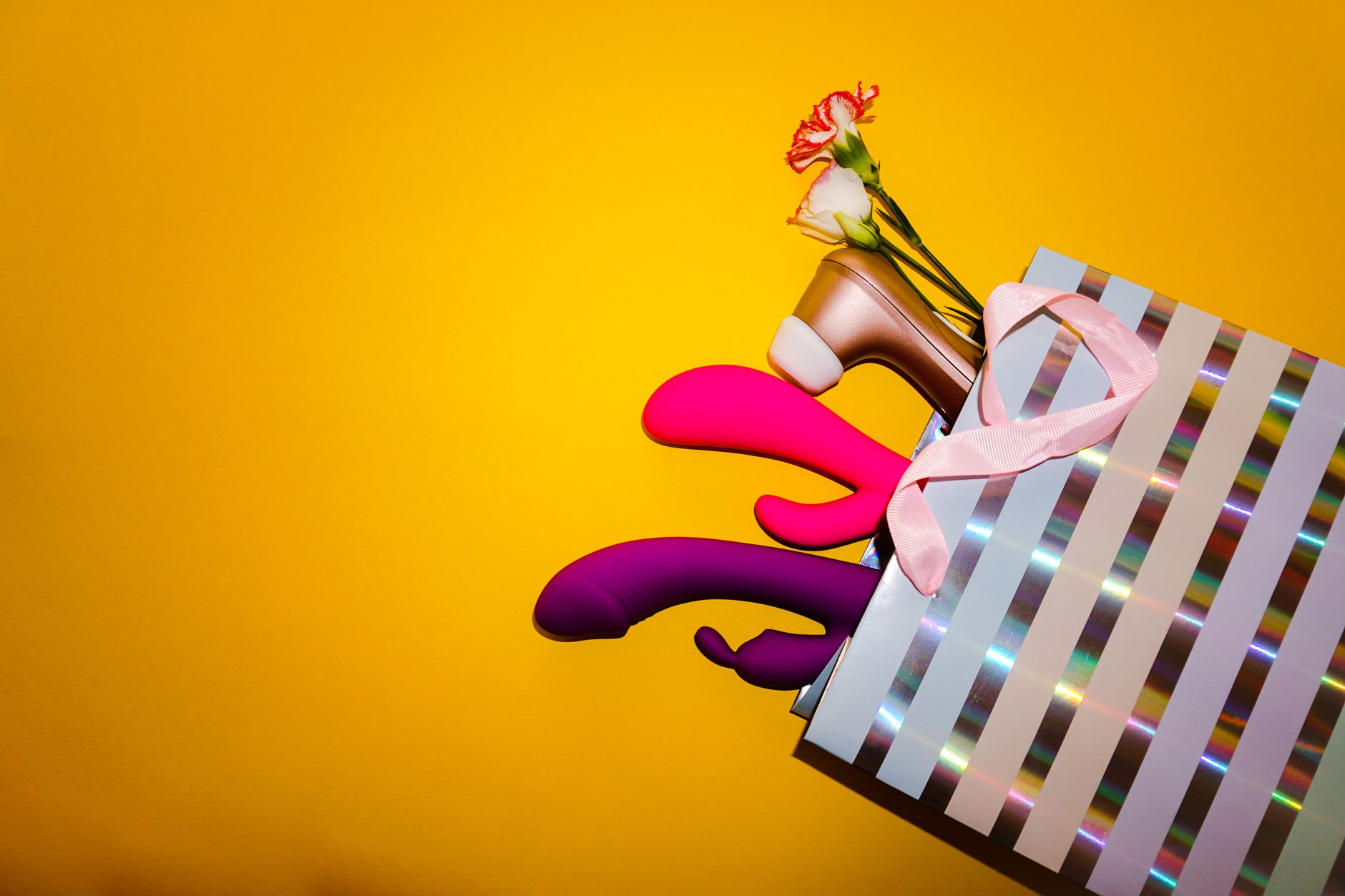
Let's talk about pain that shouldn't be there
A lemon vibrator is supposed to feel good. If it's causing pain during sex or immediately after, something's off. And here's the thing: pain during or after clitoral stimulation isn't something you should tough out or assume is normal. It's a signal. Your body's asking you to pause and figure out what's happening.
I work with couples navigating intimacy regularly, and clitoral pain from vibrator use shows up more often than people realize. Most of the time, it's fixable. But first you need to know whether you're dealing with pressure sensitivity, technique issues, physical irritation, or something that needs medical attention.
The difference between intensity and pain
Here's where things get confusing. A lemon clitoral vibrator delivers suction and pulsing sensation that's genuinely intense. Intensity isn't pain. Intensity is strong but pleasurable. Pain is sharp, burning, stinging, or raw. If you're wincing, if stimulation feels like it's scraping or zinging rather than building, or if soreness lingers hours after you stop, that's pain.
Intensity should feel like a lot in a good way. Pain feels like warning.
The clitoris has roughly 8,000 nerve endings packed into a tiny area. When a lemon vibrator works well, those nerves light up in sequence. When something's wrong, they overfire or pinch.
Why a lemon vibrator might hurt
Too much suction, too quickly.
A lemon vibrator operates by creating gentle suction around the clitoral head. If you jump straight to level 3 or 4, the suction can feel overwhelming on sensitive tissue. Your clitoris needs time to engorge and prepare. Starting at level 1 for 5-10 minutes isn't boring. It's responsible.
Inadequate or wrong-type lubrication.
Your body produces natural lubrication, but clitoral tissue benefits from additional slip. If you're using a lemon vibrator directly on dry or under-lubricated tissue, friction becomes pressure becomes pain. Water-based lubricant is non-negotiable here. Silicone-based lube can degrade silicone toys, and oil-based lubricant traps bacteria. Stick to water-based, always.
The suction cup itself doesn't fit.
A lemon vibrator comes with different cup sizes for a reason. If the cup is too small, it pinches tissue inside the cup opening. If it's too large, it won't seal properly and the suction becomes erratic and uncomfortable. The right fit creates an airtight seal where your clitoris sits comfortably centered inside.
Your clitoris is already irritated or inflamed.
If you've used a clitoral vibrator repeatedly without spacing out sessions, tissue can become temporarily inflamed. The clitoris swells from stimulation, which is normal, but if you don't give it rest, continued stimulation on swollen tissue hurts. Think of it like using a muscle. You need recovery time.
Infection or dermatological irritation.
Sometimes pain points to something medical. If you have a yeast infection, bacterial vaginosis, or a skin condition like lichen sclerosus, vibrator use will amplify discomfort. Pain combined with itching, unusual discharge, or redness means it's time to see a gynecologist, not push through it.
The technique adjustment that works most often
I recommend this sequence to almost every person who reports clitoral vibrator pain:
Step 1: Start with the smallest cup option at the lowest setting. Five to ten minutes at level 1. Your goal isn't orgasm yet. Your goal is to let tissue engulf and become ready.
Step 2: Apply a generous amount of water-based lubricant around the cup opening, not inside the cup. You want the seal to stay intact but the surrounding area to have slip.
Step 3: Position the cup slowly. Don't jam it on. Let it settle gradually so your clitoris can ease into position. Once it's on, take 30 seconds before turning it on to let your body adjust to the suction.
Step 4: Stay at level 1 for at least 10 minutes. This isn't an exercise in patience. Your clitoris needs this warm-up time to respond well. Many people experience stronger, less painful sensation after this slow build.
Step 5: If you move to level 2, move in 2-minute increments. Gauge how your body feels. If anything starts to feel pinchy or raw, drop back down.
Using a lemon vibrator correctly is a different skill from using other vibrators. It's not about ramping up intensity immediately. It's about letting suction do its job gradually.
When rest is the answer
If you've been using a clitoral vibrator daily, your tissue might simply need a break. This is especially true if you've recently discovered suction vibrators and spent a week exploring them enthusiastically. Your clitoris is not a muscle that gets stronger with daily work. It's delicate tissue that needs recovery time.
Try taking 3-5 days off from clitoral vibrator use. During that time, you can still explore other forms of stimulation. Manual touch, partnered stimulation, even a wand vibrator on lower patterns. But give the suction-specific sensation a rest.
When you return to your lemon vibrator, start at level 1 again. You might find the soreness has cleared and sensation is more pleasurable.
When to see a doctor
If pain persists even with adjusted technique, if it's accompanied by discharge, unusual itching, visible irritation, or if you experience pain even with the smallest cup and lowest setting, book an appointment with a gynecologist. Pain during sexual activity is never something to normalize or push through indefinitely.
Genitourinary syndrome of menopause, lichen sclerosus, vulvodynia, or infection can all cause clitoral pain. None of these are shameful. All of them are treatable. A good gynecologist will take your question seriously.
You might also find it helpful to discuss your concerns with the same specialist or therapist your partner sees for intimacy issues, if you're in a couple. Pain during clitoral stimulation can create relationship strain if you're both assuming it's a personal rejection rather than a physical signal. Couples who communicate about this openly tend to adjust faster.
The permission part
Here's what I tell people in my practice: your pleasure should never require suffering. If something hurts, stop. If discomfort lingers, investigate. If a technique or tool doesn't work for your body, that's not failure. That's information.
A lemon vibrator is designed to feel extraordinary. When it causes pain instead, the problem isn't that you're broken or too sensitive. The problem is technique, fit, or a physical issue that needs attention. Any of those is solvable.
Your body deserves care. That's not negotiable.
Frequently asked questions
Why does my lemon vibrator hurt more on some days than others?
Your clitoris responds to hormonal fluctuations, stress, hydration, and how much stimulation you've had recently. If you use a lemon vibrator intensely one day, your clitoris might feel more sensitive the next. Menstrual cycle changes also affect clitoral sensitivity. Heavy flow days, days before your period, or times of hormonal shift can make the same vibrator feel more intense or uncomfortable. Tracking when pain appears can help you identify whether it's cycle-related.
Can I use a lemon vibrator if I have vulvodynia?
Vulvodynia is chronic pain in the vulva without a visible cause, and clitoral pain is one presentation. If you have vulvodynia, any vibrator including a lemon vibrator needs to be approached carefully, ideally with guidance from a vulvodynia specialist. Some people with vulvodynia find that lower-intensity stimulation or longer warm-up times help. Others need to avoid direct clitoral vibrators entirely. Don't assume you can't use one, but do work with a specialist to figure out what your tissue can tolerate.
Is it normal for soreness to last hours after using a lemon vibrator?
Mild sensitivity for an hour or so after intense stimulation is normal. Soreness that lasts 3+ hours suggests you either used too much intensity, didn't warm up long enough, or have underlying irritation. If soreness lasts into the next day, that's a signal to take several days off and reassess your technique when you return.
What if pain is only when my partner uses the lemon vibrator on me but not when I use it myself?
This often comes down to pressure and control. You know your own pain threshold and can adjust instantly. Your partner might be applying more pressure than you would, or moving it in ways that feel different on your body. The solution is conversation and hand-guidance. Show your partner exactly how you hold the vibrator, where you position it, and how slowly you build intensity. Many couples find that the person using the vibrator on their partner needs a few practice rounds to understand the right touch.
Can using a lemon vibrator create permanent sensitivity or numbness?
No. Regular use of a lemon vibrator doesn't cause permanent nerve damage or lasting numbness in the clitoris. Temporary decreased sensation can happen if you use the same toy at high intensity every single day without breaks, but that sensitivity returns once you rest. Your clitoral nerves are resilient. What you're more likely experiencing if sensation feels different is temporary swelling or fatigue, both of which resolve with rest.
Should I use numbing products before using a lemon vibrator if it hurts?
No. Numbing products mask pain rather than solving what's causing it. If you can't feel discomfort, you can't tell if you're causing tissue damage. Pain is information. Use it. If a lemon vibrator causes pain even at the lowest setting with the right technique, that's a sign to pause and investigate rather than numb and push through.
The path forward
Pain during or after using a lemon vibrator is addressable. Start with technique: slower warm-up, lower initial intensity, adequate lubrication, right cup size. If pain persists, take a break. If pain continues even after rest, see a gynecologist. Your pleasure matters, and so does your safety. A lemon clitoral vibrator should feel amazing. When it doesn't, something's worth fixing.