The medication-pleasure gap nobody talks about
You started the pill, and orgasms got quieter. Or you began antidepressants, and sensation just kind of flattened. Maybe it was a blood pressure med or a new psychiatric medication, and suddenly your body responds to touch like it's underwater. And nobody mentioned this when they handed you the prescription.
Here's what I want you to know: this is neurological, not psychological. Your body isn't broken. Your medication isn't your enemy. But pleasure doesn't work the same anymore, and pretending it does wastes months of your life.
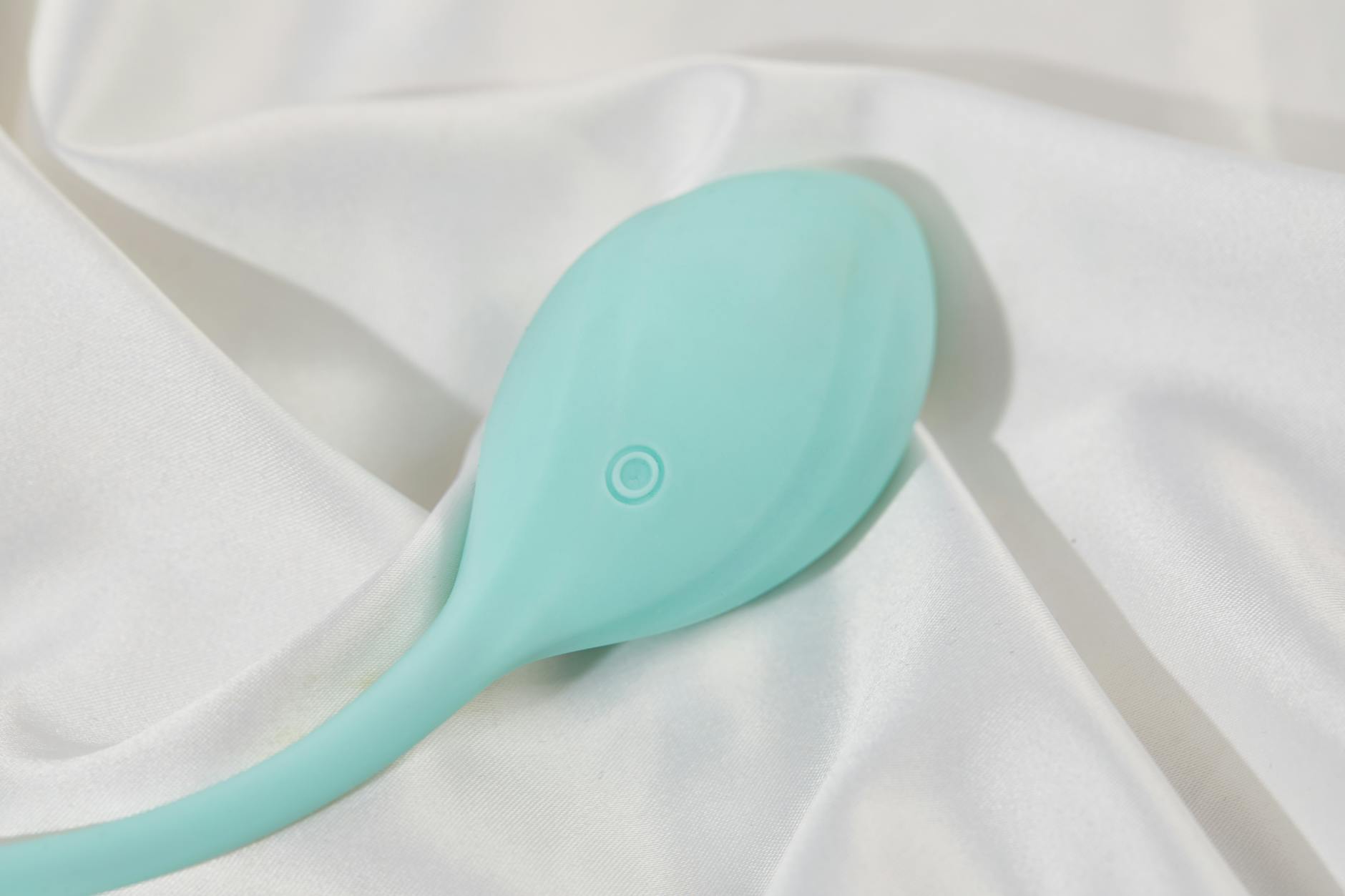
Lemon vibrators (specifically clitoral suction devices like the Lem) are one of the few tools that actually work when medication flattens arousal. Not because there's magic in lemon-shaped design, but because of how they bypass the numbing effect and engage nerve pathways that medication hasn't touched yet.
What medication actually does to orgasm
Let's get specific about the neuroscience because it matters.
Orgasms involve a chain reaction in your brain: dopamine (desire and reward), norepinephrine (focus and arousal), oxytocin (pleasure and bonding), and serotonin (the chemical most meds actually alter). Many antidepressants work by raising serotonin, which is great for mood. But high serotonin suppresses dopamine and norepinephrine. That's why the first thing that flatlines on SSRIs isn't mood, it's pleasure.
Birth control pills change the ratio of estrogen and testosterone circulating in your blood. Testosterone is a key player in desire and clitoral sensitivity for everyone with vulvas. Less testosterone equals less responsive tissue and a longer ramp-up time to arousal.
Other medications work differently but toward the same endpoint. Blood pressure meds can reduce blood flow to the clitoris. Antihistamines dry everything out. Anti-anxiety meds blunt the anxiety that's sometimes fuel for arousal (yeah, really).
The common thread: your nervous system is getting a message that pleasure isn't the priority right now.
Why suction works when medication blunts sensation
Clitoral suction devices work differently than traditional vibrators because they don't rely on the same nerve pathways that medication has dampened.
A regular vibrator works through friction and pressure. It requires your tissue to be responsive and your nerves to register subtle stimulation. When medication has numbed those responses, a vibrator feels like nothing, or you have to crank it to uncomfortable intensity just to feel something.
A lemon vibrator uses suction and rhythmic pulsing instead. This is a much more direct neural signal. Think of it as the difference between someone brushing your skin (subtle, easily missed) versus someone gently pulling on your skin (immediate, hard to ignore). Suction creates a sensation that bypasses the numb filter.
The Lem and similar clitoral suction vibrators also create what's called a "suction seal" around the clitoris. This increases blood flow to the tissue directly, which can sometimes restore responsiveness even when medication is still in your system. It's like bringing the area back online in a localized way.
The specific patterns that help most
If you've tried a lemon clitoral vibrator and felt nothing, you were probably using it wrong, not because you're doing it incorrectly, but because medication changes which patterns actually work.
Start with lower intensity patterns (the Lem has 12 settings, but you'll likely want to begin at pattern 3 or 4). The goal isn't to blast your way through numbness. It's to build a baseline of sensation and arousal over time. Many people with medication-flattened pleasure report that orgasm intensity actually increases over a few weeks of regular use as their nervous system "wakes up."
Take your time with warm-up. Medication extends the phase where you're building arousal without expecting orgasm yet. Budget 20-30 minutes sometimes just for that. Use a water-based lubricant. The suction works better with a seal, and lube helps that happen.
Layering sensations helps. While using the lemon vibrator, try reading something that turns you on, having your partner touch you elsewhere, or using fantasy. You're not being unfaithful to the device; you're giving your medicated nervous system multiple channels to route pleasure through.
When to talk to your doctor about switching meds
Here's the thing I tell my couples: your pleasure matters. It's not selfish or vain. Sexual satisfaction is connected to relationship satisfaction, which is connected to overall wellbeing. If medication is destroying that, you have the right to explore alternatives.
But don't stop a medication because it affects your orgasms. Instead, ask your prescriber about these options:
Timing shifts (taking the medication at night instead of morning, sometimes changing when the peak effect hits).
Dose adjustments (lower doses sometimes maintain the benefit while reducing sexual side effects).
Augmentation (adding a second medication that specifically counteracts sexual side effects, like buspirone or bupropion).
Switching to a different class of medication that might have a less direct impact on sexual response.
These conversations are normal. Your doctor has this discussion weekly with other patients.
The bridge approach: combining medication, tools, and communication
Here's what actually works: stop treating the medication as the problem and start treating the flattened pleasure as a puzzle you and your partner (if you have one) solve together.
You use the lemon vibrator as part of a broader practice. You talk to your doctor about modifications. You tell your partner what's changed and what you need from them now. You maybe give it 6-8 weeks. Medication effects on pleasure sometimes normalize a bit as your body adjusts.
If you're single, the lemon vibrator is where you focus. If you have a partner, they need to know that your orgasm won't happen as quickly, and that's not because of them. How to talk about lemon vibrators with your partner without shame is a whole conversation, but the abbreviated version: "My medication changed how my body responds. I found something that helps, and I want to share it with you." That's it.
You also might find that with consistent use of a clitoral suction device while on medication, your baseline sensitivity actually improves. This isn't placebo. It's repeated neural activation creating new pathway efficiency.
When orgasm feels different, not absent
Sometimes medication doesn't kill orgasm. It just changes the texture. Orgasms become less intense, more localized, or harder to reach. Some people describe them as "shallow" or feel like they're happening further away.
A lemon vibrator can intensify whatever you still have. And sometimes, the intensity boost is enough to push you past that flattening threshold into something that feels like a real orgasm again.
If orgasms vanish entirely, that's a different conversation with your doctor. But if they're just muted, the vibrator bridges that gap.
Questions people ask about this
Will using a vibrator make my medication less effective?
No. Your antidepressant or birth control works on the same schedule regardless of whether you're using a vibrator. Using the tool doesn't interfere with the medication's primary function. What changes is your nervous system's capacity to experience pleasure while the medication is still working on your mood or hormones.
How long until I feel a difference?
Some people report stronger sensation within the first few uses. Others take two to three weeks of regular use (a few times a week) before they notice intensity returning. Your nervous system responds to consistent stimulation, so sporadic use won't show the same effect. Treat it like practice, not like a one-time test.
Can I use a lemon vibrator while taking my medication?
Yes. There are no contraindications between clitoral suction devices and antidepressants, birth control, or most other medications. If you're on something unusual, check with your doctor, but the vast majority of people can use a vibrator safely while medicated.
What if the vibrator still doesn't work?
First, make sure you're using a clitoral suction device specifically, not a traditional vibrator. The Lem or similar tools are different enough that they might work when others don't. Second, give it time and consistency. Third, revisit the conversation with your prescriber about whether the medication is worth the trade-off, or whether alternatives exist.
Is this just about lemon vibrators or any suction vibrator?
Clitoral suction is the mechanism that works. The lemon vibrator is one option, but there are others. What matters is that the tool uses gentle suction rhythmically, not just vibration. That's the design feature that bypasses medication-flattened sensation.
Can I combine a vibrator with other pleasure practices?
Absolutely. A vibrator is one tool in a larger toolkit. Fantasy, partner involvement, different locations, or extended foreplay all add layers that help. You're not choosing between the vibrator and something else; you're stacking them together.
The thing about pleasure and medication
Medication gives you back parts of your life. It steadies your mood, regulates your cycle, or brings blood pressure down. Those are real, valuable things. But losing pleasure in the process is a real loss too, and pretending it isn't is what keeps people silent and alone in this.
If you're on medication and your orgasms have flatlined or faded, you're not broken. Your nervous system just needs a different kind of signal. A lemon vibrator, specifically one that uses clitoral suction, is often the tool that delivers that signal. Combined with honest conversations about what changed and why, it's how people rebuild pleasure on the other side of medication.
Your satisfaction matters. Your pleasure is worth troubleshooting. And you don't have to choose between your wellbeing and your intensity.