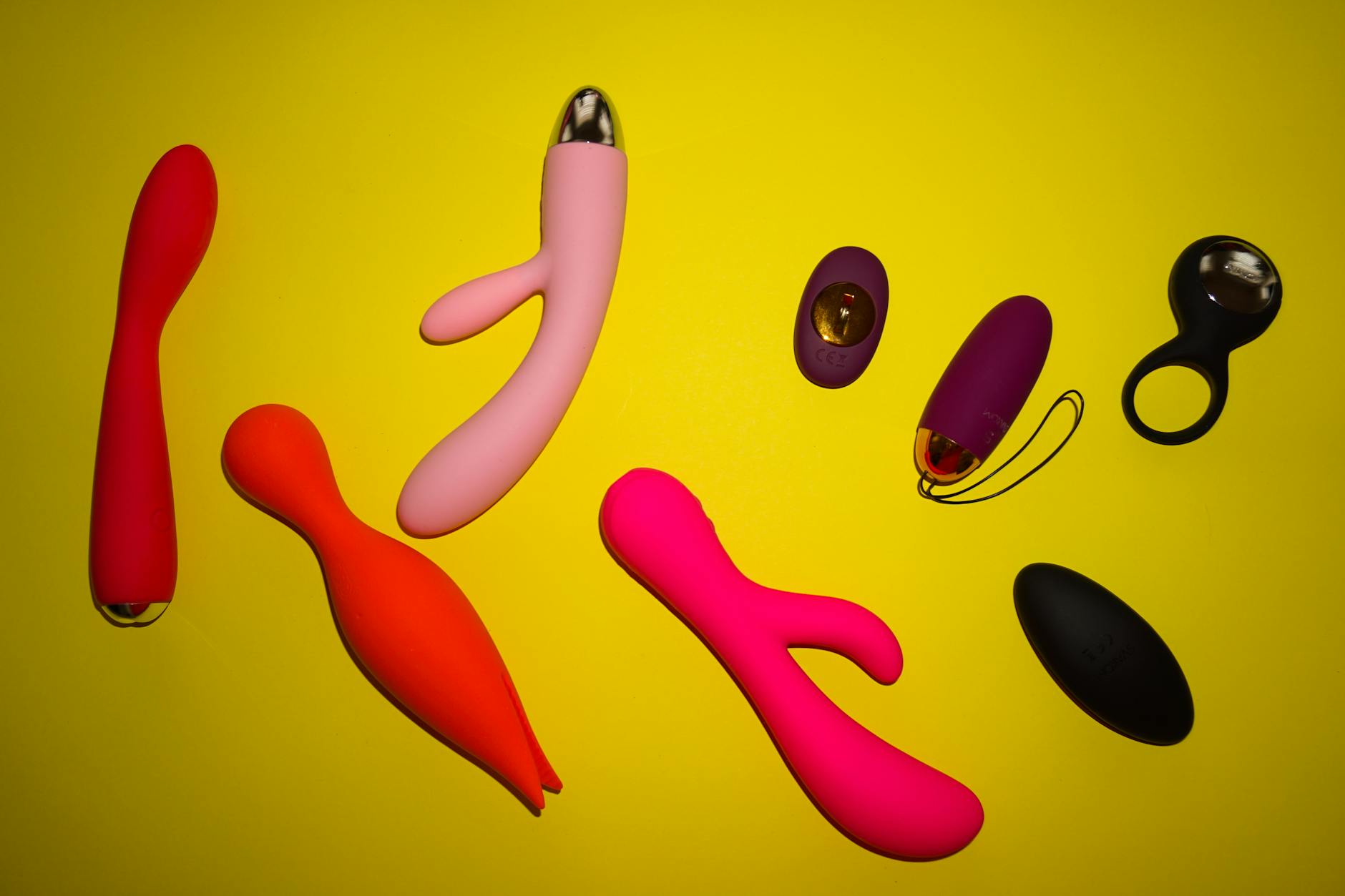
Let's be real about vibrator desensitization
You've been using your lemon clitoral vibrator regularly. The sensation that was wild six months ago now feels like background noise. You might need to turn up the intensity, or you're finding it harder to finish at all. That creeping numbness is real, it's frustrating, and it's also one of the most common questions I hear in my practice.
Here's what you need to know right away: desensitization isn't permanent damage. It's your nervous system adapting to sustained stimulation. Your clitoris isn't broken. But the pathway to recovery requires a deliberate pause and some strategic changes.
Why repeated vibration causes temporary numbness
Your clitoris has thousands of nerve endings packed into a tiny area. When you use a lemon vibrator or any lemon suction toy regularly at high intensity, those nerves are being flooded with the same signal over and over. Your brain learns to filter it out. This is called sensory adaptation. It happens with any repeated stimulus: the smell of your favorite perfume disappears after 20 minutes, the buzz of traffic becomes background, the pressure of your clothes vanishes the moment you put them on.
With vibrators, the adaptation happens faster than most people expect because you're stimulating such a concentrated zone of nerve density. Add frequency of use (several times a week or more) plus high-intensity settings, and you can hit adaptation within weeks instead of months.
The good news is that adaptation is not the same as nerve damage. Your tissue and nerves are fine. They're just temporarily overwhelmed. Step back from the intense input, and they'll recalibrate.
The physical reset: what to do right now
Three immediate changes work for most people.
1. Take a full break from vibrators. Not forever. Two to four weeks minimum. I know that sounds brutal, but it's the fastest way to reset your baseline. During this window, your nervous system stops filtering the stimulus and returns to baseline sensitivity. This is the most important step.
2. Explore non-vibrator sensation. Your fingers, your partner's hands, your own touch. Slow, varied pressure. Switch between light and firm. Introduce texture (silk, soft cotton, fingernails, tongue). The point is to remind your clitoris that pleasure has a wider range than the narrow frequency of a vibrator. You're retraining your nervous system to find richness in subtlety.
3. If you've been using one pattern constantly, rotate through different patterns when you do return. Most lemon vibrators and lemon sexual toys have multiple settings. We often find one and marry it. Cycling through patterns prevents the rapid adaptation that comes from repetition.
The intensity ladder: rebuilding gradually
After your break, here's how to reintroduce your lemon clitoral vibrator or lemon sucker without triggering desensitization again.
Start at pattern 1 or 2, not your old favorite. Let your body acclimate for five to ten minutes. Notice what you feel. This is not the time to chase an orgasm. You're collecting data.
Over 3-4 sessions, move to pattern 3 or 4. A week later, pattern 5. Give each intensity level time to feel normal before jumping up. The temptation is to rush back to where you were, but that's exactly what got you here.
Some people find they never want to return to maximum intensity. Their orgasms are better, more varied, and more sustainable at mid-range settings. That's not a loss. That's recalibration.
Mixing tools prevents the trap
Once you've recovered sensitivity, the best insurance against desensitization is rotation. Use your lemon vibrator twice a week. Use manual stimulation twice a week. Maybe add a partner if that's part of your life. Rotate between different vibrator types if you have them (suction feels different from bullet, which feels different from wand).
The specificity of vibrators is their superpower and their pitfall. Because they work so efficiently, we return to them repeatedly. But that efficiency is exactly what drives adaptation. Mix in slower, less predictable forms of touch. Your nervous system stays engaged.
What desensitization is NOT
Here's what I need to say clearly because I hear this confusion constantly: desensitization is not the same as low desire, depression, or relationship dissatisfaction. If your vibrator feels numb but your partner's touch still sparks something, you have a tool problem, not a body problem. If nothing feels good anymore, that's a different conversation with a doctor or therapist.
Desensitization is mechanical and local. You'll notice it in the clitoris specifically. You'll recognize that you need higher intensity to feel the same thing. Your desire is usually intact. The pathway just needs resetting.
Similarly, desensitization is not about the vibrator itself being "too strong" in an absolute sense. A lemon suction toy works so well for many people precisely because of how it stimulates. The problem isn't the tool. It's the repetition.
The emotional piece that gets overlooked
There's often shame wrapped around this issue. "I broke my own pleasure." "I used it too much." "I'm addicted." Usually not. Usually you found something that worked and used it as intended. Your nervous system adapted. That's biology, not moral failure.
In my practice, I've noticed that the reset period is also a chance to rebuild your relationship with your body. You're not chasing sensation. You're getting curious. You're learning what you like at lower intensity. You're discovering that pleasure isn't always about the biggest fireworks. Sometimes it's about the sustained warmth.
If you're in a relationship, this is worth discussing. Your partner might interpret your changed response as a change in attraction or interest. Naming it directly prevents that spiral: "My body adapted to vibration. I'm resetting it. Here's what helps during this time." That's information, not rejection.
When to see someone
If you've taken a two-month break from all vibrators, reintroduced gradually, and you're still finding the sensation flat, talk to a doctor. There are hormonal and circulatory factors that can affect sensation (thyroid, blood pressure meds, estrogen levels). A gynecologist or sex medicine specialist can rule those out.
If you notice pain alongside the numbness, that's separate and also worth investigating. Desensitization is purely about sensation loss, not pain.
FAQ: Common questions about vibrator desensitization
Can I permanently damage my clitoris with a vibrator?
No. The clitoris is robust tissue with extensive innervation. A vibrator cannot cause permanent nerve damage. Desensitization is temporary adaptation, not injury. It's fully reversible.
How long does it take to recover feeling?
Most people notice improvement within 3-4 weeks of stopping vibrator use. Full restoration of baseline sensitivity usually takes 6-8 weeks. Some recover faster. Some need the full window. Patience here pays off.
Does recovery work if I still masturbate without a vibrator?
Yes. Manual stimulation and other forms of touch during your break actually speed recovery because you're still stimulating the area but through different neural pathways. Your clitoris gets signal variety.
Is desensitization a sign I'm using my lemon vibrator wrong?
Not wrong, exactly. It's a sign you're using it the way most people use highly effective tools: frequently, intensely, and exclusively. The fix isn't to throw it away. It's to use it strategically and mix in other sources of stimulation.
Can my partner touch help me recover faster?
Absolutely. Their hands bring temperature, variability in pressure, unpredictability, and often emotional connection that fingers alone might not. If you have a partner, this reset period can be a chance to explore together.
Will my sensitivity fully return to the beginning?
Usually yes, though some people find their new baseline is slightly different than before. You might need slightly more stimulation than you did the very first time, or you might find you prefer mid-range intensity. That's not worse. It's just recalibrated.
The bottom line: you're not broken
Desensitization is common, temporary, and fixable. Your lemon vibrator or lemon clitoral vibrator didn't ruin you. Your nervous system just learned too well. The reset takes patience but works reliably.
The deeper lesson, though, is that pleasure doesn't live in one tool or one pattern. It lives in variety, in attention, in your willingness to explore the full range of what your body can feel. Sometimes the most useful thing a vibrator can do is remind you to step back and rediscover everything else.
Ready to reset and rebuild? Start with the two-week break. Then reach out to our help section if you have specific questions about patterns, intensity levels, or logistics. You've got this.