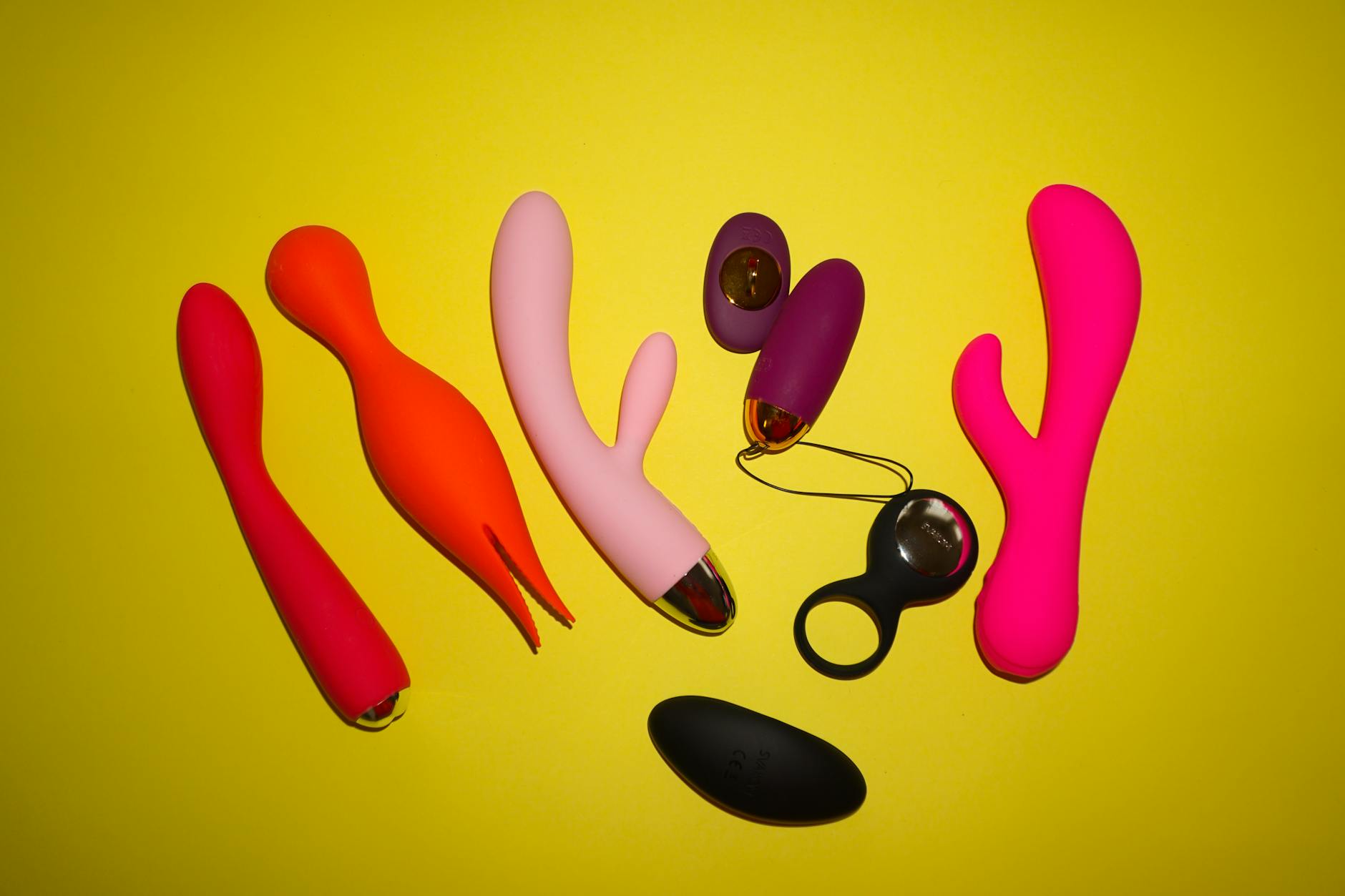
The real talk about antidepressants and sensation
Antidepressants save lives. They also flatten sensation. If your medication dampened arousal, desire, or orgasm intensity, you're not broken and you're not alone. Up to 40% of people on SSRIs report sexual side effects. Your body didn't betray you. Your nervous system is working exactly as it's programmed to work on these medications.
Here's what I've learned from working with hundreds of clients navigating this: the flatness eventually lifts. Not always immediately, not always completely, but it shifts. And when it does, a lemon vibrator can be the exact tool that helps you meet that returning sensation halfway, without the pressure of "performing" orgasm.
How antidepressants change what you feel
SSRIs and SNRIs work by increasing available serotonin in your brain. This helps regulate mood. It also tamps down the nervous system activation that fuels arousal. Think of it like turning down the volume on your body's ability to build toward climax.
The neurological changes are real. Your clitoris hasn't lost sensitivity at a tissue level. But your brain's ability to register and amplify that sensation has been muted. It's like the signal is arriving, but the amplifier is turned down.
For some people, this effect plateaus after a few weeks. For others, it lingers for months or even stays present for as long as they're on the medication. And yes, sometimes switching medications or adjusting timing helps. But switching isn't always an option, and discussing it with your prescriber is separate from learning to work with what you have right now.
Why lemon vibrators work during this transition
A lemon clitoral vibrator uses air-pulse suction technology instead of pure vibration. This matters during medication-induced numbness because suction stimulates a broader network of nerve endings than direct friction alone.
When sensation is dampened, you need a tool that can create enough stimulus without requiring you to chase harder intensity. The Lem's suction pattern does exactly that. It reaches tissue your brain might otherwise miss and amplifies the signal in a way that feels generous rather than demanding.
Many people report that clitoral vibrators feel better than traditional vibrators during this phase because the sensation profile is different. It's gentler entry point while still being potent enough to cut through the medication's dampening effect.
The three-phase approach to rebuilding
Phase one: Permission without pressure (weeks one to three with your vibrator).
Start with the lowest intensity. Pattern 1 on a lemon vibrator. The goal here isn't orgasm. It's reconnection. Spend 15 to 20 minutes noticing what you feel without expecting anything. Your nervous system has been in a particular rhythm for months. You're asking it to wake up gently, not bolt upright.
Many people in this phase report that they feel sensation returning in real time. A tingle that wasn't there last week. A moment of warmth. Don't get attached to it building into anything bigger. Just notice.
Phase two: Pattern exploration (weeks three to six).
Once you've spent time with pattern 1, start experimenting. Move to pattern 2. Then 3. You're not chasing the fastest route to orgasm. You're learning your nervous system's current landscape.
Some people find that certain patterns feel closer to pleasure than others. Some find that alternating between patterns creates a rhythm that works. This is information. Write it down if it helps.
The reason I'm emphasizing this slower timeline is that when sensation is rebuilding, rushing intensity actually delays the process. Your nervous system needs to relearn the feedback loop at a pace it can follow.
Phase three: Integration (week six onward).
By now, you're probably noticing changes. Arousal might be building faster. Orgasms might feel sharper or closer to what they used to feel like. They might also feel different. That's normal and often worth exploring rather than resisting.
This is when people often ask: can I use the Lem with my partner now? The answer is yes, if you want to. And also yes if you want to keep this for solo exploration. There's no rule that says rebuilding pleasure means immediately integrating it into partnered sex.
If you do want to include a partner, a lemon clitoral vibrator creates an interesting dynamic because it's small enough to position without requiring the other person to hold it at an uncomfortable angle, and the suction sensation often feels distinct enough that it can enhance rather than distract from other touch.
The medication conversation you might need to have
If sensation isn't returning at all after six to eight weeks of gentle exploration, or if desire has completely flattened, it's worth circling back to your prescriber. You have options.
Sometimes adding a second medication to counteract sexual side effects helps. Sometimes adjusting your dose or timing changes things. Sometimes switching to a different class of antidepressant (bupropion, for example, has a lower rate of sexual side effects) is possible. None of these are failures. They're information your body is giving you.
The conversation isn't "my medication killed my sex drive." It's "I'm noticing sexual changes and I want to explore whether adjusting my approach to medication might help." Your prescriber has heard this before.
What sensation rebuilding actually feels like
It's not linear. You might have a day where everything feels present and sharp, followed by a day where you're back to flatness. This is the nervous system recalibrating. It's not a sign that something isn't working.
Some people describe it as a slow volume knob turning up. Others describe it as sensation returning in patches. Warmth returns before intensity. Tingling before pressure. Your experience is specific to your nervous system and your medication.
What I want to emphasize is that this phase is often where people either give up or discover something new about pleasure. The pressure is off. You're not trying to perform for anyone, including yourself. You're just exploring what your body can feel right now.
For many people, that's when the most interesting discoveries happen. Because you're not chasing the old version of pleasure, you're actually building a new relationship with it.
How to adjust your expectations while sensation returns
This is the hardest part, honestly. If you had reliable orgasms before medication and now you don't, there's real grief in that. And also, you need to let go of the version of your sexuality that existed before, because your nervous system has changed.
Instead of asking "will I ever feel like I used to," try asking "what's possible right now?" The first question is backward-looking and often leads to disappointment. The second is curiosity.
A lemon vibrator is really good at making space for that curiosity because there's no performance involved. There's no audience. There's just you and the tool and whatever sensation is available.
FAQs about lemon vibrators and antidepressant side effects
How long does it take for sensation to return after starting antidepressants?
It varies wildly. For some people, sexual side effects plateau after three weeks. For others, they persist for months or for as long as they're on the medication. The timeline isn't predictable. What matters is that you're not expecting it to snap back overnight. Rebuilding sensation is a process, not an event.
Can I use a lemon vibrator if I'm not having orgasms yet?
Absolutely. In fact, I'd say start here. The goal in the early stages of rebuilding isn't orgasm. It's reconnection. A lemon clitoral vibrator is good at creating sensation that feels noticeable without demanding that it lead anywhere. Permission without pressure.
Should I tell my partner about using a lemon vibrator while my sensation is rebuilding?
That depends on your relationship and your comfort. If you want to keep this private, that's completely valid. If you want to involve your partner, the conversation is easier if you frame it as "my medication is affecting sensation and I'm exploring ways to help my nervous system recalibrate." Most partners find that less threatening than feeling like they're not enough.
What if I'm on antidepressants and my partner is too?
Then you're both working with a flattened nervous system. This is actually often easier than one person navigating it alone because there's less pressure to perform for someone whose experience is different. You're both meeting the moment where it is.
Will switching medications help faster than using a vibrator?
Not necessarily. Switching medications is a separate decision with its own timeline. Some people switch and find that sensation returns faster. Others switch and discover the new medication has similar effects. Some people stay on their current medication because the mood stability is worth the sexual trade-off and they want tools to help them rebuild pleasure within that constraint. All of those are valid paths.
How do I know if flattened sensation is medication or relationship?
This is important. If sensation was present before medication and disappeared after, it's likely the medication. If sensation was already declining in your relationship and the medication accelerated it, that's a different conversation. Sometimes both are true. The way forward is different depending on which is which. If you're unsure, working with a therapist who understands both medication effects and relationship dynamics can help you untangle it.
What comes next
Rebounding sensation after antidepressants isn't about willpower or trying harder. It's about meeting your nervous system where it actually is and using the right tools to help it recalibrate. A lemon vibrator is one of those tools.
Your pleasure matters. Not because it proves you're healthy or because you owe anyone an orgasm. Because you deserve to feel good in your body, even while you're managing your mental health. Those two things aren't opposed. They're part of the same conversation about what it means to care for yourself.
If you want to explore this further or have specific questions about how to approach this with your partner, reach out. That's what we're here for.
Sources
Mohammad-Reza Esmonde-White. "Sexual Dysfunction and Psychiatric Medications," UpToDate, 2024.
Anders Juul Andersen et al. "Sexual dysfunction and treatment with SSRIs," Cochrane Database of Systematic Reviews, 2019.
Mark A. Frye et al. "Sexual side effects of antidepressants: Clinical evidence," Journal of Clinical Psychiatry, 2020.