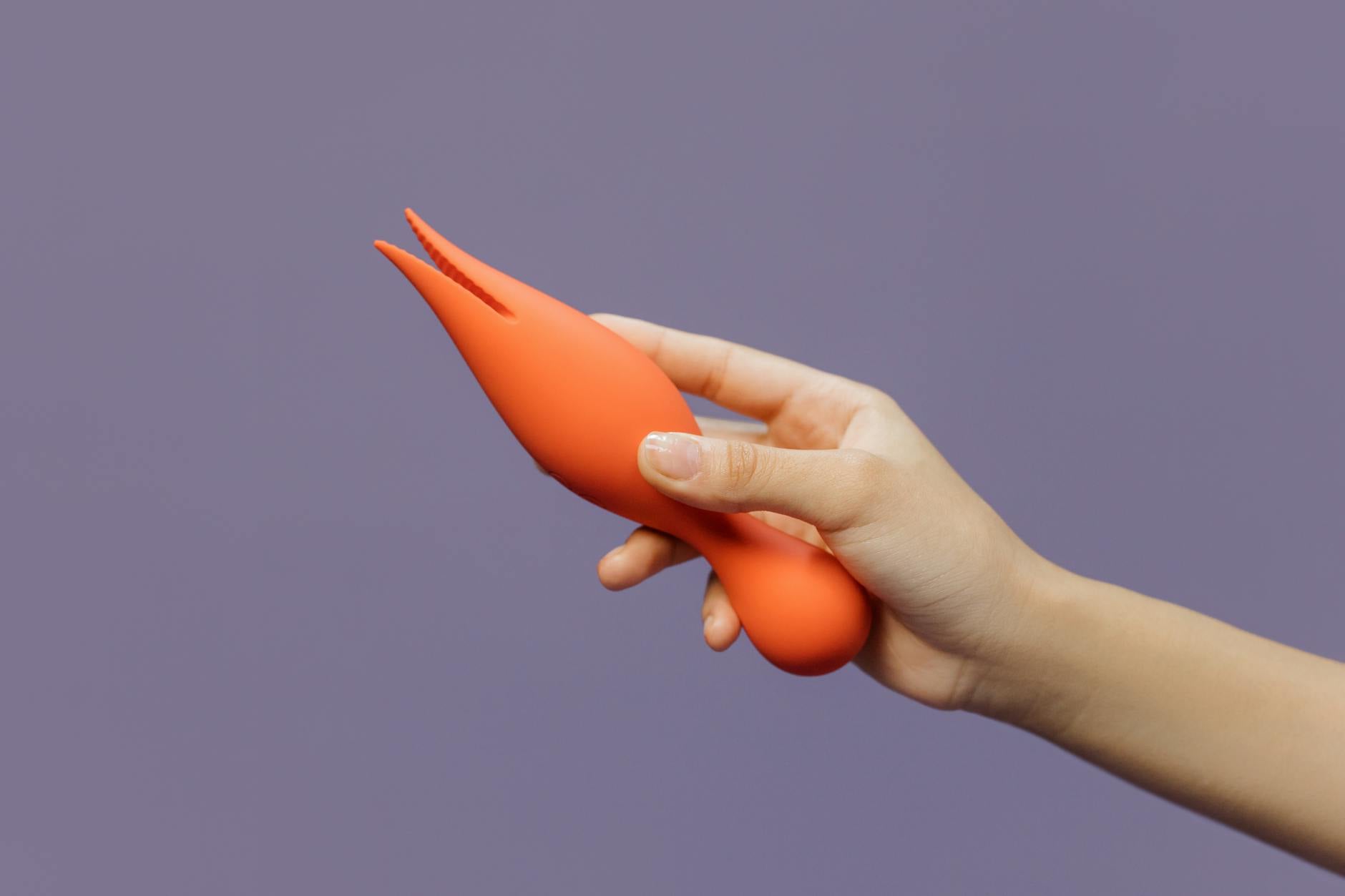
How to Use Lemon Vibrators Safely With Vaginal Thinning and Tissue Sensitivity
Let's be direct: vaginal tissue changes. Estrogen shifts, aging, medications, and certain health conditions all thin the vaginal wall and reduce natural lubrication. This is not failure. It's biology. And it doesn't mean pleasure has to shrink with your tissue.
Honestly though, most of the panic around tissue sensitivity comes from treating it like a one-size-fits-all problem. It isn't. The reason lemon clitoral vibrators work so well for people with sensitive tissue is that they're anatomically different from traditional vibrators in ways that matter when your body is more fragile.
What actually happens when tissue thins
Vaginal atrophy, or genitourinary syndrome of menopause (GSM), isn't just about dryness. The tissue becomes thinner and more delicate. It bruises more easily. Blood flow slows. The vaginal wall loses elasticity. What used to feel pleasurable might now feel raw or even painful.
But here's the part nobody says clearly: the clitoris doesn't age the same way the vaginal wall does. The clitoral glans has different nerve density and doesn't thin as dramatically. The clitoris can absolutely still feel extraordinary sensation. That's the science that changes everything.
When you shift from penetration-focused stimulation to clitoral work, and especially to suction-based stimulation with a lemon vibrator, you're working with tissue that's still responsive and still capable of intense pleasure.
Why suction changes the equation for sensitive tissue
Traditional vibrators work through direct friction. That means consistent contact between the vibrator head and your tissue. When tissue is thin or inflamed, friction can feel abrasive or even cause micro-tears.
Lemon vibrators use air-suction technology instead. The Lem pulls tissue gently upward rather than rubbing across it. This means:
- Less direct mechanical pressure on fragile tissue
- Stimulation of deeper nerve clusters without surface trauma
- A broader sensation that's less likely to feel raw
- Easier to stop or adjust if sensation becomes uncomfortable
I've worked with dozens of clients whose GPs warned them against penetrative toys but saw dramatic improvements once they tried lemon clitoral vibrators. The suction approach bypasses the friction problem entirely.
Starting slow is not optional
When tissue is sensitive, your first instinct is right: start low. I mean really low.
The Lem has multiple intensity settings. If you've used traditional vibrators before, you might expect to land around setting 3 or 4. With thinned or sensitive tissue, start at setting 1. Spend 5 to 10 minutes here. Notice what your body tells you. Some people stay at level 1 and have extraordinary orgasms. Others gradually work up to 2 or 3 over weeks.
There's no prize for reaching higher settings. The goal is sensation, not achievement.
Lubrication becomes your baseline
Even with a suction toy, lubrication matters. Here's the practical protocol:
Use water-based lubricant every single time, even if you think your body will self-lubricate. When tissue is thinning, you can't rely on natural lubrication. This isn't laziness or dysfunction. It's smart adaptation.
Apply lube to the Lem head and to your body. Use enough that things feel slippery, not just damp. Reapply if things start to feel dry halfway through. This is as normal as applying sunscreen before a beach day.
Avoid silicone-based lubes with silicone toys, since silicone breaks down silicone. Water-based lubes are your friend here.
The warm-up window matters more now
When tissue is sensitive or thinned, rushing into stimulation doesn't work. You need 15 to 20 minutes of gentle arousal before the lemon vibrator comes out.
This doesn't have to be partner-based. You might spend time with a partner kissing, touching non-genital areas, or building anticipation. Or alone, you might read something arousing, breathe intentionally, or simply lie with your hand on your body without pushing toward anything.
Warm-up time isn't foreplay anymore. It's essential scaffolding. When blood hasn't flowed to your tissues yet, introducing vibration can feel jarring. When your nervous system is already activated, the same vibration feels integrated and pleasurable.
Positioning shifts the load on tissue
Some positions put more stress on sensitive tissue than others. If you're using the Lem while lying on your back or sitting, your body is supported and the toy's weight isn't stretching anything.
Standing or kneeling intensifies sensation but also increases the physical load. With sensitive tissue, stick to supported positions at first. As you get familiar with how your body responds, you can experiment.
If anything feels uncomfortable, stop. Discomfort during pleasure is not normal. There's a difference between "this feels intense in a good way" and "this feels raw or stinging." Only the first one is worth pursuing.
When to pause and when to seek help
Minor irritation that resolves within hours is common when you're reintroducing stimulation to tissue that's been through changes. But ongoing pain, bleeding, or increasing irritation means you need backup.
A menopause-trained gynecologist or sexual health specialist can prescribe topical estrogen creams that dramatically improve tissue health in 2 to 4 weeks. This isn't weakness. It's using evidence-based medicine to support your pleasure.
Some people combine topical estrogen with careful lemon vibrator use and experience a full return to what felt natural before. Others use estrogen temporarily until tissue resilience improves, then continue with the Lem. There's no wrong path here.
If you're on medications that cause tissue changes (certain antidepressants, for example), mention this to your doctor. Sometimes switching timing or dose can help. Sometimes adding targeted support is the answer.
Building confidence after changes
Tissue sensitivity often arrives with a psychological component. Maybe you've had pain before. Maybe you're worried you've "broken" something. Maybe you're grieving the ease you used to feel.
All of that is normal. And none of it means your body is done with pleasure.
I recommend starting with solo sessions. No partner, no pressure to perform or reciprocate. Just you, time, patience, and the lemon vibrator at the lowest setting with plenty of lube. Let yourself notice what still works. Most people discover that sensitivity narrows the band of stimulation that feels good, but doesn't eliminate it.
Once you rebuild confidence alone, bringing a partner into the conversation becomes easier. You already know what works. You can guide them. You're not starting from zero.
The long view
Vaginal tissue changes don't have an expiration date on pleasure. They require adaptation. They might demand more intention, more lube, more warmth, more patience. But everyone I've worked with who made those shifts found that the pleasure on the other side was just as intense, and often more so, because it required real presence instead of autopilot response.
Lem Nancy's lemon clitoral vibrators exist partly because traditional toys weren't designed for bodies with sensitive tissue. Suction technology shifts the entire equation. Combined with lubrication, warm-up time, and gentle pacing, the Lem becomes a tool that works with your changing body rather than against it.
Your pleasure isn't negotiable. It just needs smart adjustments.
People also ask
Can I use a lemon vibrator if I have vaginal atrophy?
Yes, absolutely. In fact, lemon clitoral vibrators are often easier to use with atrophy than traditional vibrators because suction avoids direct friction on thinned tissue. Start at the lowest setting, use water-based lube generously, and ease into it. If pain develops, check in with a gynecologist about topical estrogen, which can improve tissue resilience in weeks.
How much lube do I need with a lemon suction vibrator?
Enough to feel slippery, not just damp. You're creating a seal for suction to work, so lube actually helps the Lem function better. Apply it to the toy head and your body before starting, and reapply if things start to feel dry. Water-based lubes are your go-to since they're compatible with silicone toys and won't degrade them over time.
Is it normal to feel irritation after using a lemon vibrator with sensitive tissue?
Minor irritation that settles within a few hours is common when reintroducing stimulation to tissue that's been through changes. But ongoing pain, stinging that doesn't resolve, or any bleeding means you should pause and see a specialist. Sensitivity is manageable. Pain is a stop sign. There's a meaningful difference between the two.
How long should I spend on the lowest setting of a lemon vibrator?
There's no fixed timeline. Spend as long as you need at level 1 until your body tells you it's ready for more. Some people stay there for weeks or months and have completely satisfying experiences. Others work up gradually over multiple sessions. The goal is pleasure, not progression through settings. Trust your body's pace.
Can estrogen cream and lemon vibrators work together?
Absolutely. Many people use topical estrogen cream several times a week and pair it with lemon vibrators for stimulation. Estrogen improves tissue resilience over time, which can expand the range of sensation you're comfortable with. The Lem becomes easier to use as your tissue improves. It's not either-or. It's both-and.
What's the difference between sensitive tissue and pain during vibrator use?
Sensitivity is a narrower band of stimulation that feels good. Pain is sensation that feels harmful or distressing. You might notice that only the lowest setting of your lemon vibrator feels right, but that setting feels genuinely pleasurable. That's sensitivity, and it's manageable. If every setting causes stinging or rawness, that's pain, and you need to pause and seek support. Learning to distinguish between the two saves a lot of time and keeps you safe.
If tissue sensitivity is interrupting your pleasure, start with the basics: a lemon clitoral vibrator, water-based lube, patience, and the lowest setting. Add topical estrogen if a specialist recommends it. Most importantly, recognize that adaptation isn't compromise. It's how pleasure evolves as your body changes.
Ready to explore? Head to /contact if you have questions about which setting or approach might work best for your specific situation.