The straight answer
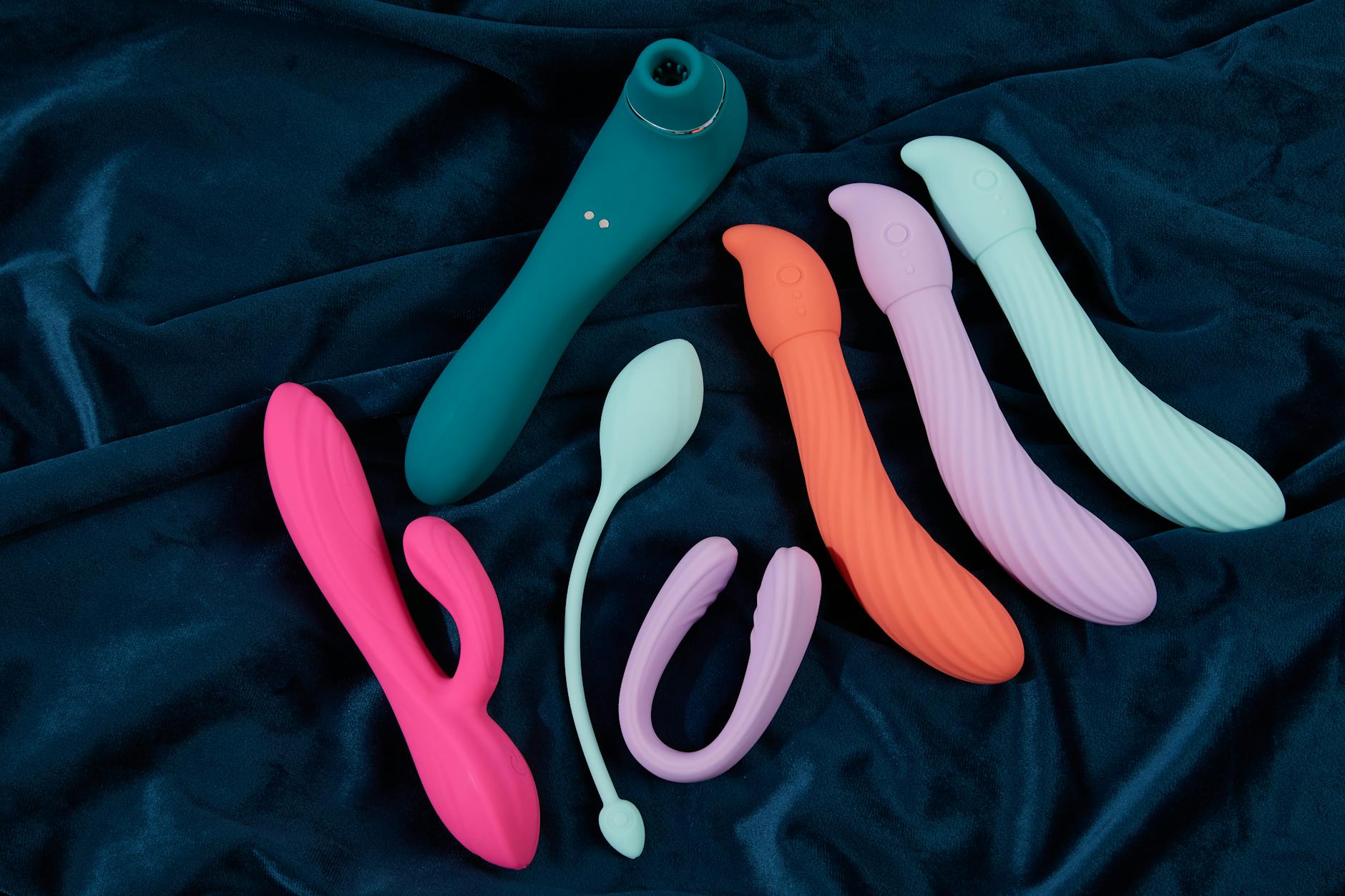
Yes, you can absolutely use a lemon vibrator with condoms. The question isn't whether you can, it's how to do it in a way that keeps both of you protected and the sensation intact. This is one of the most practical—and most skipped—conversations couples have, and it's worth getting right.
Why this actually matters
Here's the thing: if you're using condoms for protection (whether for STI prevention or contraception), you need a plan for how pleasure stays in the picture. A lot of couples default to "condoms kill sensitivity," then default to skipping them entirely. That's a bad trade. The better move is learning how to layer in external stimulation intentionally.
This is where a lemon clitoral vibrator changes the math. It doesn't replace condom-protected penetration; it augments it. And it works because the sensation the vibrator delivers doesn't depend on direct genital contact with a partner.
Latex or silicone condoms: what you should know
First, the material question. Most people think all condoms are latex. They're not. Your options:
Latex condoms are the standard. They work fine with silicone toys (including lemon vibrators and any clitoral vibrator). They also work with water-based and silicone-based lubricants. Latex degrades over time, so check the date on the box.
Polyurethane condoms (like Skyn) are thinner than latex and conduct heat better. Same compatibility as latex with lemon vibrators and most lubricants.
Lambskin condoms offer the most sensation but the least protection (they don't block viruses). Not worth it for STI prevention, but some couples use them for contraception if both partners are tested.
The practical reality: if you're using a lemon sucker or any silicone toy, you can pair it with any condom type. Silicone toys don't degrade latex or polyurethane the way silicone-based lubes can (that's a separate issue). You're safe.
The lube question: this is where people mess up
Here's the mistake: applying the vibrator on top of a condom with the wrong lubricant.
If you use a silicone-based lube with a condom, don't add it to a silicone toy afterward. Silicone lube can degrade silicone toys over time. Use a water-based lube instead for the clitoral stimulation piece. It's not ideal for the pure sensation factor, but it's safe and it still works.
The better move: use water-based lubricant throughout. It works with latex condoms, polyurethane condoms, and silicone vibrators. Apply it to the condom before penetration, then add more to the lemon vibrator before using it externally. Water-based dries faster than silicone, so you might reapply mid-session. That's not a bug, it's just the reality.
Pro tip: Some people use condom-compatible silicone lube inside the condom (for penetrative sensation) and switch to water-based on the toy. That's a valid workaround if your partner has sensitivity to water-based lubes.
How to actually use it during partnered sex
There are a few ways to integrate a lemon vibrator into condom-protected sex. Here's what works:
During penetration. One partner is inside the condom, the other is using the vibrator on the clitoris or external genitalia. This is the most straightforward setup. The vibrator doesn't touch the condom directly, so there's no friction or material degradation. It's external stimulation layered over internal sensation.
Before penetration. Use the vibrator to build arousal first, then transition to condom-protected sex. This is smart for anyone with a clitoris because it means the person on the receiving end is already aroused, which means more natural lubrication and easier penetration.
After penetration, without the condom. Some couples use condoms during the penetrative portion, then remove the condom and use the vibrator to finish. This only works if you're in a monogamous relationship where both partners have tested negative for STIs and you're using a different contraceptive method. If condoms are your primary protection, don't do this.
Angles and pressure that work best
When you're using a lemon clitoral vibrator alongside condom-protected penetration, positioning matters.
If your partner is on top, the vibrator sits comfortably in their hand, angled toward the clitoris from above. This gives good access and lets them control both pace and vibration intensity independently of their thrusting.
If you're on top, you've got three options: do it yourself (hand access is straightforward), have your partner hold it for you, or use a remote-controlled option if you have one (like the Pixie). Each shifts the dynamic a little. Doing it yourself keeps you in control of the stimulation; having a partner do it adds a collaboration element.
If you're side-by-side, the vibrator lives in whoever's hand has easiest reach. Usually that's the partner not doing the main thrusting work.
The pressure question: Don't press the lemon vibrator hard into the condom or against the base of a penetrating toy. Mild, steady contact is enough. The sensation travels. You don't need a grip.
What to watch out for
A few real pitfalls:
Condom slipping. If you're applying a lot of pressure with the vibrator directly at the base of the condom, you increase the risk of the condom shifting or slipping. Keep pressure gentle and angled toward the clitoris, not down toward the base.
Latex allergies. If either partner has a latex sensitivity, polyurethane condoms or lambskin are your alternative. Symptoms include itching, redness, or swelling during or shortly after use. If that's you, get tested for a proper allergy and switch condom types.
Running out of lube. Water-based lubes dry faster than silicone ones. Bring more than you think you'll need. Reapplication mid-session isn't awkward; it's smart.
Vibrator battery death mid-session. Charge your lemon vibrator beforehand. Nothing kills the mood like a dead toy at the wrong moment.
Communication during the process
Using a toy during partnered sex with condoms changes the dynamic a bit because there are now three sensations happening: penetration, vibration, and the overall experience of being together. That requires a quick conversation beforehand.
Talk about what each person wants from it. Is the vibrator there primarily for the receiving partner's pleasure, or is it something you're both enjoying as part of a shared experience? Does someone want to control it, or does someone else? What's the signal if someone wants a break or a change?
These questions take two minutes and make the actual experience infinitely better. I've never met a couple who regretted a quick check-in before trying something new.
Why this matters for your relationship
Look, condoms are necessary for a lot of people and partnerships. That's not negotiable. What is negotiable is whether they have to mean less pleasure. They don't. A lemon clitoral vibrator is specifically designed to deliver intense external stimulation in a way that doesn't depend on a condom-free experience. You get protection and sensation. That's a win.
The couples who make this work are the ones who treat it as a collaboration, not a compromise. You're not settling for condoms plus vibration because condoms are boring. You're choosing condoms because they're smart, and you're intentionally building pleasure into that choice.
People also ask
Can you use a lemon vibrator directly on a condom?
Yes, but avoid hard pressure on the condom itself. The toy works best on skin around the condom, not pressed against the latex or polyurethane. Gentle contact is all you need; the sensation travels.
Does a lemon sucker damage condoms?
No. Silicone toys don't degrade latex or polyurethane condoms. The only material pairing to avoid is silicone-based lubricant on a silicone toy (which can break down the toy over time), but that's not a condom issue. Use water-based lube with the toy and you're completely safe.
Is it safe to use a vibrator if one partner is inside a condom?
Completely safe. Millions of couples do this routinely. The only precaution is using water-based lubricant with the toy to avoid any friction issues, and keeping pressure gentle on the condom itself so it doesn't shift. Beyond that, there's no safety concern.
What lubricant should I use with a condom and a lemon vibrator?
Water-based lubricant is the safest bet. It works with any condom type and any silicone toy. Apply it to the condom for penetration, then reapply to the vibrator as needed. You'll likely need to reapply mid-session because water-based dries faster than silicone-based.
Can you switch from condom-protected sex to using a vibrator without a condom?
Only if both partners have tested negative for STIs and you're using a different contraceptive method. If condoms are your primary protection method, remove the condom when you're done with penetration and don't use the toy after that. Switching increases STI transmission risk.
Does vibration feel weaker through a condom?
No. The vibrator isn't vibrating the condom; it's vibrating the clitoris and surrounding tissue. The condom isn't in the signal path. Sensation is just as intense as it would be without the condom.
The bottom line
Using a lemon clitoral vibrator with condoms is straightforward once you know the basics: water-based lube, gentle pressure angled toward the clitoris rather than the condom base, and a quick conversation beforehand about what you both want. That's it. You get the protection you need and the pleasure you deserve. Neither one has to be a compromise.