Let's start with the thing nobody says
Low libido and strong orgasms are not mutually exclusive. Most people think they are, which is why they give up when desire drops. But here's what actually happens physiologically: arousal and orgasm are two separate systems in your body. You can have minimal desire and still experience an intense, full-body release. The trick is understanding how to work with the biology instead of fighting it.
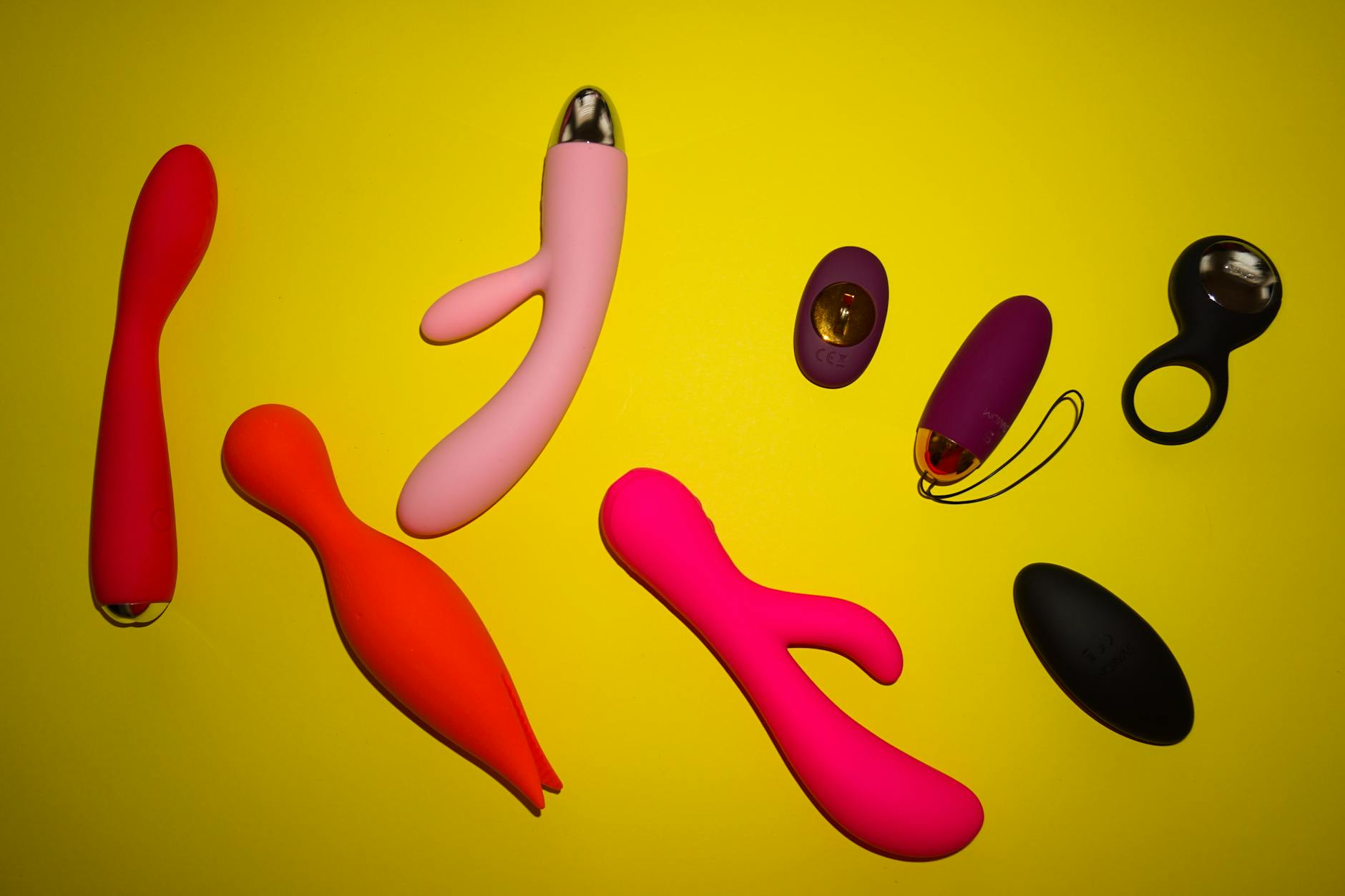
A lemon clitoral vibrator designed with suction technology like the Lem bypasses the arousal gap entirely. It doesn't require you to feel turned on first. It creates the physiological conditions for orgasm directly, which sometimes loops you back into pleasure. And sometimes you just get off without ever wanting to. Both outcomes are fine.
Why low libido feels different than just being tired
Low libido typically means one of three things. First, there's the neurochemical version. Depression, anxiety, medications that flatten dopamine, hormonal shifts. Your brain genuinely isn't sending the "want" signal. Second is the relational version. You're stressed about your partner, the relationship, or both. Desire can't flourish in a nervous system that's protecting itself. Third is the life load version. Too much work, too much parenting, too much caregiving. Libido is the first thing to vanish when you're running on fumes.
Most people experience all three at once, which makes it feel permanent. It's not. But it does mean that waiting around for desire to reappear on its own doesn't work. You need tools that work independently of wanting.
How air-suction technology changes the equation
The Lem and other lemon sexual toys that use suction stimulation operate completely differently than traditional vibrators. Instead of needing you to be already aroused to feel good, suction creates arousal. It works on the principle of negative pressure. The gentle pulsing motion stimulates the thousands of nerve endings in your clitoris without requiring the kind of sustained friction or intensity that demands you be mentally present and turned on.
What this means practically: you can be thinking about your grocery list, your inbox, or nothing at all, and your body will respond. That response often triggers the psychological arousal that libido isn't delivering on its own. The physical sensation creates a pathway back to desire.
The setup that works when you don't feel like it
Here's where most people mess up. They wait until they're aroused, can't find it, and abandon the effort. With low libido, you have to flip the sequence.
First, remove the expectation. Don't aim for an orgasm. Aim for ten minutes of novel physical sensation. That's it. This shifts you out of "performance mode," which is already high for low-libido folks because you're fighting your own body.
Second, choose a time when you're least depleted. Morning for some people. After three days away from your main stressor for others. Right after coffee. Right before bed. It's not about the time. It's about picking a window where your nervous system isn't already maxed out.
Third, give yourself visual permission. Light a candle, play something instrumental in the background (music with lyrics splits your focus), or just look at something beautiful on your phone while you're using the lemon vibrator. This gives your brain something to anchor to besides the pressure to feel something.
The texture and speed progression that builds momentum
With low libido, intensity often feels overwhelming at first because you're not primed. Start the Lem on its gentlest setting. Spend three to five minutes there with the vibrator positioned directly over your clitoris. You're not trying to orgasm yet. You're gathering information about what feels neutral, what feels good, and what feels like too much.
After a few minutes, move to the next intensity level. Hold it there for another three to five minutes. Notice what's shifting in your body. Some people's breath deepens. Some feel warmth spreading. Some notice their legs getting heavy. That's arousal building, even if you don't consciously feel horny yet.
Keep escalating slowly. The whole process might take fifteen to twenty minutes. This matters. When libido is low, your nervous system needs time to recognize that pleasure is the intention. Rushing it defeats the purpose. You're essentially retraining your body to recognize and respond to stimulus.
What happens when nothing feels like much of anything
If you get through a session and don't orgasm, that's information, not failure. It doesn't mean the lemon clitoral vibrator isn't working. It means your body needed more time, or you needed a different entry point. Try again in a day or two. Some people with low libido need three to four sessions before their body "remembers" how to come.
If you orgasm but it feels flat, muted, or nothing like you remember, that's actually progress. Your body is responding to stimulus. The intensity will follow once your nervous system realizes it's safe to feel good. This is where patience becomes the tool that gets you further than any vibrator ever could.
If you're experiencing complete numbness for weeks despite trying, and you also have depression, anxiety, or take medications known to flatten sexual response, talk to your doctor. There are options. But don't assume nothing will work after one or two attempts.
The conversation to have with your partner
If you're in a relationship, your partner might think low libido is about them. It's not. But you need to say that out loud, explicitly, not just hope they understand. The conversation looks like: "My desire is low right now, but I want to explore pleasure on my terms, alone. This is about my body and my nervous system, not about us."
Later, if and when you want to explore together, that's a separate conversation. When you're using a lemon vibrator solo to rebuild your relationship with your own pleasure, that's a reclamation project. Don't mix it with couple dynamics. Keep them separate. One thing at a time.
The realistic timeline
Some people feel a shift within a week. Most take two to three weeks of regular use, maybe two or three times a week, before they notice their libido or orgasm intensity changing. A few take longer. That's not unusual. Your body is under-resourced right now. It needs consistency and gentleness to wake back up.
The key is not expecting a miracle instantly. You're retraining your nervous system, not just buying a vibrator. That takes repetition.
When to introduce the Lem into your routine
Once you've spent two or three weeks using your lemon clitoral vibrator solo and you're noticing your baseline desire or pleasure shifting, you can start thinking about incorporating it differently. Some people want to use it with a partner. Others want to keep it entirely separate. Both are valid.
If you're partnered and interested in exploring together, here's the thing: let the lemon sucker stay your tool. Don't hand it over to your partner in hopes they'll "do it right." You know your body. You know the progression that works. You control the speed, the positioning, the rhythm. Your partner can be present and connected without taking over the mechanism. They can kiss you, hold you, tell you they love you while you use the vibrator. But you hold the power. Literally.
This matters especially when libido is low because you need to reclaim agency. Taking back control of your own pleasure is often the thing that restarts desire itself.
FAQ: Your most common questions answered
Does using a lemon vibrator when you have low libido train your body to depend on it?
No. What it does is give your nervous system permission to feel good while you rebuild your arousal capacity. Think of it like physical therapy after an injury. You use the support structure until your muscles remember how to work. Then you still use it because it feels good, not because you need it to function.
Can I use a lemon clitoral vibrator if I'm on medication that kills my sex drive?
Absolutely. The vibrator works regardless of your neurochemistry. It's a direct physical stimulus. Whether your medication is causing the low libido or something else is, the lemon sexual toy is a tool that bypasses the desire gap. That said, if the medication is the issue, it's worth talking to your prescriber about alternatives or timing.
How long should each session be?
Start with fifteen to twenty minutes, including warm-up time. Some sessions you'll come in five minutes. Some you won't come at all. Let your body dictate. You're not training for performance. You're gathering data about what works.
Is it normal for orgasms to feel different the first few times I use a lemon vibrator?
Completely. Your body is learning a new type of stimulus. The suction feels different than finger pressure or traditional vibration. It might feel strange at first. Stick with it for at least three to four sessions before deciding if it works for you. Your body adapts faster than your mind does.
What if I feel guilty using a vibrator while in a relationship?
That's worth examining. Pleasure isn't betrayal. Self-care isn't rejection of your partner. You're allowed to have your own body and your own pleasure. If guilt is persistent, that might be a sign something bigger needs attention in the relationship. Consider talking to a therapist or counselor if this feeling is strong.
Can low libido come back on its own, or does the vibrator mean it's permanent?
Low libido usually comes back once the underlying cause is addressed. Whether that's stress dropping, medication changing, the relationship improving, or your hormones stabilizing, desire often returns naturally. The vibrator is a bridge. It keeps pleasure alive while you're addressing what caused the drop. When libido returns, you'll probably still want to use it because it feels good.
The thing about rebuilding pleasure
Using a lemon vibrator when your libido is low isn't settling. It's refusing to let a temporary neurochemical state convince you that pleasure isn't part of your life anymore. Your body knows how to feel good. Sometimes you just need a tool that doesn't require you to want it first. That's not a hack. That's intelligent, embodied problem-solving.
Start small. Set realistic expectations. Be patient with your body. And if you're also dealing with depression, relationship stress, or medication side effects, get support for those things in parallel. Pleasure returns faster when you're treating the whole picture, not just the symptom.
If you'd like to talk through any of this or explore how your specific situation might benefit from professional guidance, reach out. That's what I'm here for.