
Let's be real about the elephant in the room
Introducing a toy into your intimate life with a partner feels loaded. You're worried they'll think you're bored. You're nervous about how they'll receive the suggestion. You're wondering if it changes what you two have. And honestly? Those worries are completely valid, because you're not just proposing an object. You're proposing a conversation about pleasure, about what you want, about being seen.
But here's the thing. That same worry exists on their side too. Most people want their partner to be happy and satisfied. They just don't always know how to talk about it without feeling defensive or scared. So the real skill isn't selling the idea of lemon vibrators or any clitoral vibrator. It's creating a conversation where both of you can actually be honest.
The timing matters more than you think
Don't introduce this in the moment. Not mid-intimacy, not when you're both tired, not during a conflict. That's not a conversation. That's a surprise, and surprises about pleasure usually land as criticism instead.
The best moment is calm, clothed, and somewhere neutral. After dinner on a regular Tuesday. On a walk. In the car. Anywhere you can talk without the pressure of immediately acting on it. You want space to think, to ask questions, to sit with the idea.
Avoid bringing it up right after sex, when vulnerability is high and defensiveness comes fast. Avoid it during an argument about intimacy. Avoid it when either of you is stressed or distracted. Give this conversation the same weight you'd give to planning a trip or discussing finances. Because it matters.
What NOT to say (even if you're thinking it)
Don't lead with "I'm not satisfied." That immediately triggers a defensive response, even if it's not what you mean. Your partner hears "you're not enough," and they shut down.
Don't frame it as something you need because sex has gotten boring. That's true maybe 5% of the time. The other 95% of the time, you're exploring something new because you want to expand what's possible together. Lead with that.
Don't apologize for wanting this. No "I'm sorry, but..." or "I don't want to hurt your feelings, but..." That hedging signals you think what you want is wrong, and it makes them more likely to reject it.
Don't compare them to a partner or a fantasy. Don't say "I read that couples who use toys have better sex." Don't pull up Instagram testimonials or Reddit threads. This isn't a debate you win with evidence. It's a conversation you navigate with trust.
What to actually say
Start with curiosity, not demand. "I've been thinking about exploring something new together, and I want to know what you think." That opening says you're interested in their input. It's collaborative.
Then get specific about what you want and why. "I'd like to try using a clitoral vibrator during sex. I think it could help me experience pleasure differently, and I want to share that with you instead of keeping it separate." That's honest. It's about you, not about them being insufficient.
If they ask why, be direct. Maybe it's because How to Rebuild Clitoral Sensitivity When Lemon Vibrators Feel Numb at First is something you've experienced. Maybe it's because you want to orgasm more consistently. Maybe you're curious about sensation you haven't explored yet. Pick the true reason and say it plainly.
Then pause. Let them actually respond instead of filling the silence with more justification.
How to handle resistance (and you might get it)
Resistance usually comes from one of three places. One: they think it means they're doing something wrong. Two: they feel insecure about being "replaced." Three: they genuinely don't understand what you're asking for.
For the first one, say explicitly: "This isn't about you. My body works differently than it did five years ago. This is about me learning what feels good now. And I want you there." That's the actual truth for most people.
For the second one, acknowledge it directly. "I want this with you, not instead of you. I want us to do this together." Then follow through. Don't order it online and surprise them with it hidden in a drawer. Make it a joint choice. Ask them to help pick one out. Make it collaborative.
For the third one, offer to show them. "Here's a lemon clitoral vibrator. It works like this. I want to try it during sex because I think it'll help me feel pleasure in a different way." Not everyone is visual, so answer their questions. Take your time.
If they say no, don't push. Ask why. Listen to what they're actually afraid of. Sometimes it's something fixable with a conversation. Sometimes it's not, and you have a larger decision to make about what you need.
What happens after the yes
Don't expect it to feel natural the first time. Using a lemon vibrator during partnered sex is new for both of you. It might feel clumsy. You might laugh. The rhythm might be weird. That's normal.
Start with a conversation about logistics. Where will it go in the sequence? Will they hold it? Will you? Do you want it only during certain parts? These details matter because fumbling in the dark isn't sexy, and it kills momentum.
Talk about feedback too. "If something feels off, let me know." "I'll tell you if I need you to shift." This ongoing conversation is where the real connection lives.
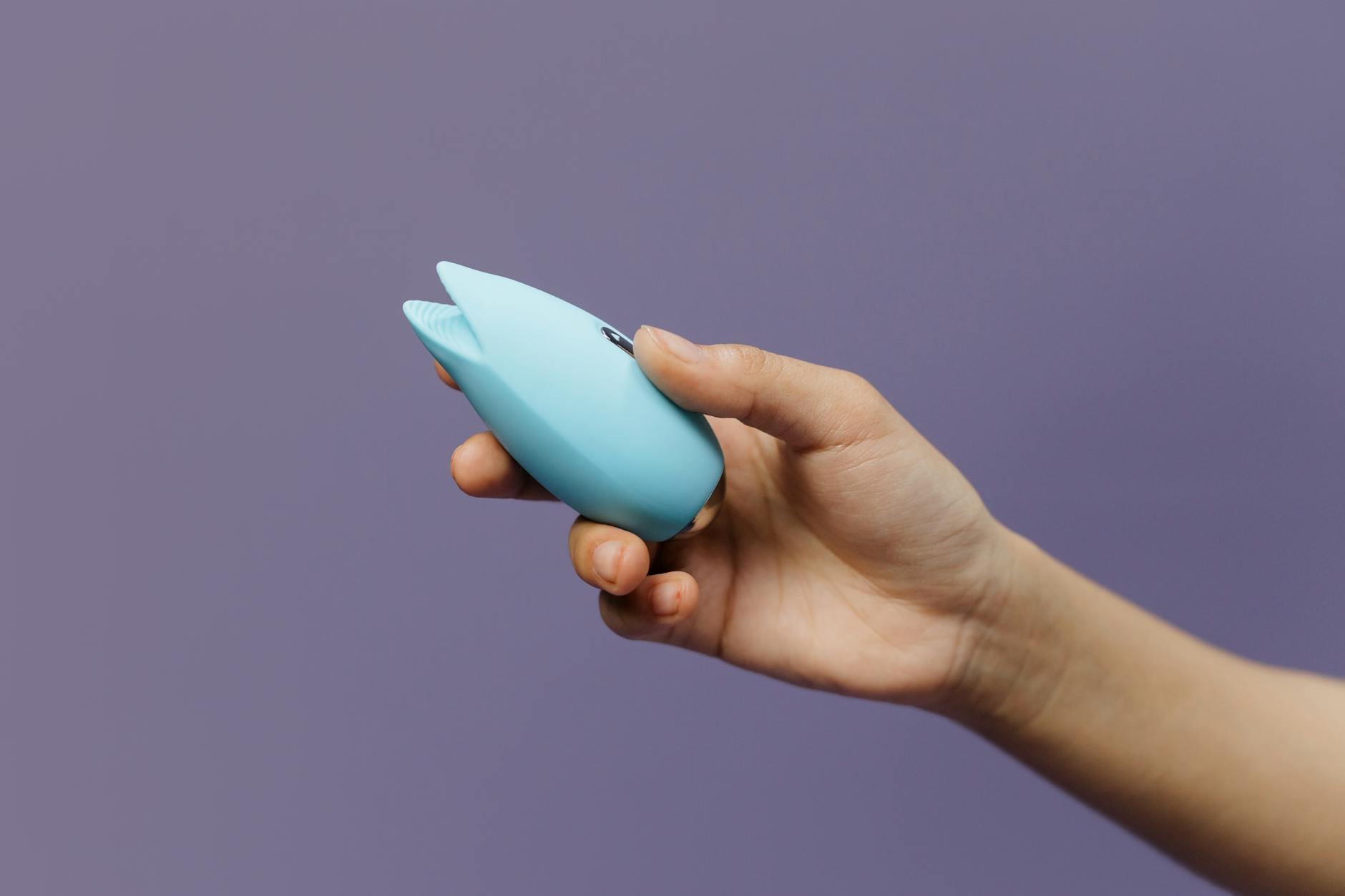
Photo by cottonbro studio on Pexels
And here's something they won't tell you in other guides: your partner might actually love this. They might feel relief. Relief that you're asking for what you want. Relief that you're including them instead of handling it alone. Relief that you're opening a door to deeper communication about pleasure.
Many partners say that learning what their significant other actually wants sexually feels like being let into a secret room. They've been guessing for years. Now they finally know.
Why this conversation is bigger than a toy
Talking to your partner about wanting to use lemon vibrators isn't really about the toy. It's about permission. Permission to want things. Permission to ask. Permission to be known.
When you have this conversation well, you're not just introducing a clitoral vibrator into your sex life. You're creating a template for talking about pleasure at all. You're saying "my body matters, my satisfaction matters, and I want to share that with you."
That conversation changes things. Not because of the object. Because of the honesty.
If your partner responds with curiosity and openness, that's the beginning of a deeper connection. If they respond with resistance or shame, that tells you something important too. And that information is valuable either way.
FAQ: Common questions when introducing vibrators to your partner
Will my partner feel threatened or insecure about using a toy together?
Some will, at first. The insecurity usually isn't about the toy itself—it's about fear of inadequacy or being replaced. The antidote is explicit reassurance: "I want this with you, not without you." Make them part of the decision and the experience. Many partners find that using a lemon vibrator together actually increases intimacy because it's a shared exploration. You're both learning what makes you feel good.
What if my partner doesn't want to use toys at all?
Respect that. Some people have genuine discomfort with toys for reasons rooted in their own history, beliefs, or neurology. That's valid. The conversation shifts to "what do you need from me to feel comfortable with this?" Sometimes it's education. Sometimes it's time. Sometimes it's a boundary they have, and you two figure out whether it's negotiable. How to Use Lemon Vibrators When Communication Feels Stuck With Your Partner covers deeper communication strategies if this becomes a friction point.
Is it weird to ask if they want to watch me use a lemon vibrator alone first?
Not at all. Some partners actually want to see how you use it before they interact with it. That takes away mystery and awkwardness. It also lets them understand what you want and how it works in your body. You might find they become more interested once they understand the mechanics and your pleasure response.
How do I bring this up if we've never really talked about sex openly?
Start smaller. Don't lead with vibrators. Lead with "I want to talk about what feels good to me and what feels good to you." Make it about desire and pleasure in general. Once that door opens, toys are just part of that larger conversation. If you haven't talked about sex at all, that's actually the first conversation to have, and everything else follows from there.
What if I'm embarrassed to say the words out loud?
Write it down first. "I'd like to use a clitoral vibrator with you." Say it alone in the car. Say it to a therapist or trusted friend to practice. Sometimes our embarrassment isn't about the thing itself—it's about old messages we internalized about pleasure being shameful. The more you say it plainly, the less power that shame has. Use the actual name of the object. Don't call it "that thing" or dance around it. That signals shame, and they'll pick up on it.
How do I know when we're ready to actually try it after the conversation?
Don't set a deadline. The conversation is step one. Let it sit for a few days if you need to. Check in casually: "Have you thought more about what we talked about?" If you both say yes, then you're ready. Order together if you want to. Open it together. No performance, no pressure. Just two people trying something new. The readiness comes from both of you genuinely wanting to, not from one person pushing the timeline.
The real payoff
Here's what couples don't expect: once you've had this conversation, everything else gets easier. Talking about what you want becomes normal. Saying no becomes easier because saying yes already happened. You build a vocabulary around pleasure instead of leaving it in silence.
Lemon vibrators aren't magic. But the conversation is. It's where real intimacy starts—not in the moments when everything feels good, but in the moments when you're brave enough to say what you actually want and your partner listens.