The sensation gap nobody talks about
You're on a reliable birth control method. Your acne cleared. Your periods are lighter or gone. Your partner doesn't need condoms. Everything looks like a win.
Then you notice: sensation feels muffled. Orgasms take longer to build. What used to feel electric now feels like you're reaching for something underwater. You're not broken, and you didn't imagine it. Hormonal contraception genuinely changes how sensation works, and that's worth understanding.
What hormonal birth control actually does to pleasure
Hormonal contraception works by lowering estrogen and progesterone (or altering them in specific patterns). This affects sensation in three concrete ways.
First, estrogen directly impacts vaginal and vulva tissue. Lower estrogen means thinner, less vascularized tissue. Your clitoris still has the same nerve density, but the surrounding tissue responds more slowly. Arousal takes longer. That rush you felt in your twenties comes with lag time now.
Second, hormonal contraception can change blood flow to your genitals. Better blood flow means faster arousal and stronger orgasms. Hormones regulate that flow. When hormones shift, blood distribution shifts with them. You might feel less engorged, which means less of that full, ready sensation that used to announce arousal.
Third, hormonal contraception often lowers free testosterone slightly. Yes, people with vulvas produce testosterone. It's one of your primary drivers for desire and genital sensitivity. Many people on hormonal birth control report that they want sex less, feel less urgency, and experience less intensity when it does happen. None of that is a character flaw.
Why lemon vibrators work when sensation is dulled
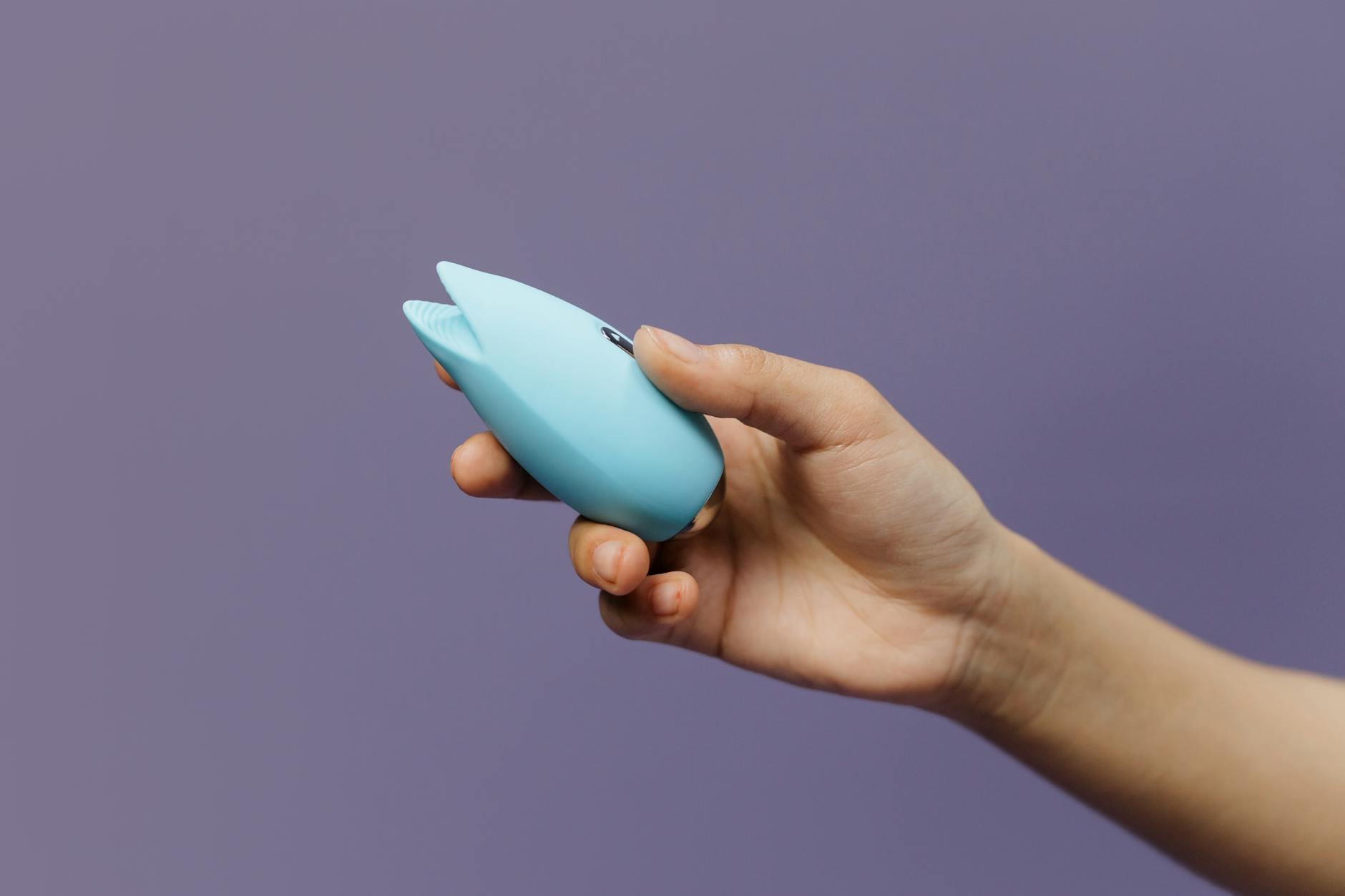
A good clitoral vibrator, especially one using suction technology like the Lem, works around these changes rather than fighting them.
Traditional vibration applies consistent buzzing across the entire clitoral area. That works fine when tissue is fully engorged and responsive. When tissue is less responsive due to hormonal changes, you often need more intensity or longer duration to feel anything. That's frustrating and can lead to numbing.
Lemon vibrators use a different mechanism. Suction technology creates a gentle seal that rhythmically stimulates the clitoris without direct mechanical friction. It's more like a pulse of pressure and release, over and over. Because the stimulation targets deep nerve clusters rather than surface sensation, it bypasses the reduced responsiveness caused by lower estrogen. You feel it more, not less.
Second, suction-based clitoral vibrators wake up sensation gradually. You start at lower patterns, feel the stimulation building in layers, and work toward orgasm at your own pace. That matters when hormonal birth control has slowed your arousal ramp. Instead of chasing intensity, you're building it.
The patterns that work best during hormonal shifts
If you're already on hormonal birth control and considering a lemon sexual toy, here's what to expect.
Start on pattern 1 or 2. Don't jump straight to high intensity. Your tissue needs to wake up again, and that takes patient stimulation. Spend 3-5 minutes on the gentlest pattern. You might not feel much at first. That's normal.
Move to pattern 3 or 4 after a few minutes. Now you should feel deeper stimulation, even if it's still mild. Keep going. The cumulative effect of sustained suction is different from the immediate hit of traditional vibration. Sensation builds.
Once you find a pattern that feels good, stay there for a while. Don't keep chasing the next setting. Hormonal contraception has changed your arousal curve, and that curve favors steady, sustained stimulation over escalation. Many people on the pill, patch, or ring report that they reach their best orgasms by staying at pattern 4 or 5 for 10-15 minutes rather than cranking to the highest setting after 30 seconds.
How to talk to your partner about this shift
If you're in a relationship, this is worth naming. Not as a problem. As a fact.
"My birth control has changed how my body responds to sensation, and I'm learning what helps" is a statement, not a complaint. It opens a conversation instead of creating one.
Your partner might feel initially worried that they're no longer turning you on. They're not. Your hormones are. That's a massively different thing. A lemon clitoral vibrator is not a substitution for your partner's touch. It's a tool that helps your body respond the way you want it to respond, given your current chemistry.
Many couples find that introducing a lemon vibrator actually strengthens intimacy during this shift. Why. Because the conversation forces you both to pay attention to what sensation actually works now, rather than defaulting to what worked before. That attention is connection.
When to switch birth control versus when to stick with it
Here's the honest part: if hormonal contraception is dulling sensation, you have two paths.
Path one is to find the right lemon sexual toy and commit to exploring sensation that way. You keep your reliable contraception. You reclaim pleasure through a different route.
Path two is to talk to your gynaecologist about switching to a method that affects hormones differently. The copper IUD has zero hormones. Barrier methods have zero systemic effects. The minipill (progestin-only) affects sensation less than combined pills. These are legitimate options if sensation loss is genuinely affecting your quality of life.
The choice depends on what you need from your birth control. If you need the pill because of acne, heavy periods, or PCOS, switching might trade one problem for another. If you chose hormonal contraception primarily for pregnancy prevention, a copper IUD or diaphragm might suit you better.
Don't pick based on shame or pressure. Pick based on what you actually need. And know that using a lemon vibrator while on hormonal birth control isn't a sign you're doing something wrong. It's a sign you're paying attention to your pleasure, and that matters.
The timeline for reclaiming sensation
Here's what I tell clients in practice: expect 4-6 weeks of consistent exploration before you feel a real shift.
Weeks 1-2 feel like relearning. You're using a lemon clitoral vibrator for the first time, or you're reintroducing sensation in a new way. Orgasms might still feel distant or muted.
Weeks 3-4, sensation starts to wake up. Your nervous system is remembering how to respond to sustained suction. You'll feel arousal building faster. Orgasms might feel sharper, even if they're not yet as intense as they were before hormonal contraception.
Weeks 5-6, you're in new territory. You've found patterns that work with your current body. Orgasms have a different character than they did before, but they're full. You might discover you actually prefer this slower, building style of pleasure to the rapid intensity you knew before.
That timeline assumes consistent use, about 2-3 times per week. If you're using a lemon vibrator less frequently, the timeline stretches. That's fine. Go at your own pace.
What doesn't change, and why that matters
Hormonal birth control affects sensation. It does not affect your capacity for orgasm, your intelligence about pleasure, or your right to feel good.
Your clitoris still has thousands of nerve endings. Your brain still produces all the neurochemistry of arousal and satisfaction. Your desire can be rebuilt and rekindled. Sensation is not gone. It's muted, and muting is reversible.
Lemon vibrators work because they're designed for bodies in transition. Hormonal shifts, medication side effects, aging, healing from trauma. Those are all real things that change sensation. A good tool meets you where your body is now, not where it was before.
Frequently asked questions
Will using a lemon vibrator make me even more sensitive to my partner's touch?
No. Using a clitoral vibrator doesn't numb you further or make you dependent on intensity. In fact, the opposite is often true. When you reclaim sensation with a vibrator that works with your hormonal body, you typically become more responsive to partner touch again because your nervous system is awake. Sensation builds on sensation.
How often should I use a lemon clitoral vibrator while on birth control?
There's no magic number. 2-3 times per week is ideal for building sensation awareness without overdoing it. Some people use a lem vibrator daily during the first few weeks, then settle into once or twice weekly. Listen to your body. If sensation feels like it's building, keep going. If you feel fatigued by sensation, take a day off. Your body will tell you what it needs.
Can I use a lemon vibrator with my partner if my sensation is dulled from birth control?
Absolutely. In fact, many couples find that introducing a lemon vibrator together during this hormonal shift strengthens intimacy. Your partner can hold the vibrator, control the patterns, stay present while your body wakes up. It removes the pressure of your partner trying to create sensation that's neurologically muted. You're working together instead of against the situation.
Does switching birth control methods bring sensation back faster than using a vibrator?
It depends on the method. Switching from a hormonal pill to a copper IUD can restore sensation noticeably within 2-3 cycles as your hormones stabilize. But it also involves a medical transition, potential side effects, and the inconvenience of a new insertion. Using a lemon vibrator while staying on a method that works for you is often faster and less disruptive. Some people do both.
Is it normal that my orgasms feel different on hormonal birth control?
Completely normal. Orgasms during lower-estrogen states often feel more clitoral and concentrated rather than full-body and expansive. They take longer to build. They might be less frequent or feel less intense. This doesn't mean they're broken or that you're broken. It's a straightforward biological shift. Many people find they prefer the focused intensity of a hormonally-shifted orgasm once they stop fighting it and start working with it.
Will my sensation come back if I ever stop taking hormonal birth control?
Yes, typically within one to three months of stopping, as your natural hormone cycle restores. But there's no rush to find out. Your pleasure matters now, not just if or when you change contraception. A lemon vibrator helps you feel good in the meantime.
The real story
Hormonal birth control is one of the greatest medical achievements in modern history. It's also neurologically real. It changes how you feel. Neither of those things cancels the other out.
You can have reliable pregnancy prevention and also have your pleasure matter. You can use hormonal contraception and also use tools like lemon clitoral vibrators to reclaim sensation. You can acknowledge that your body changed and decide that change is not final.
That's the conversation nobody has enough. Here it is now.