The stress-arousal disconnect is real
Let's be honest. When you've spent months or years in a tense relationship, your body stops asking permission to feel good. It goes into survival mode. Your nervous system learns that connection equals unpredictability, that intimacy requires hypervigilance, and that pleasure is a luxury you can't afford right now.
Then one day you want to feel something again, and nothing happens. Not because you're broken. Because your body is protecting you.
What chronic relationship stress actually does to arousal
This isn't poetic. It's neurological. When you're in prolonged conflict or emotional strain, your sympathetic nervous system stays partially activated. This is your fight-or-flight response. It's designed to keep you alert and defended. It's terrible for arousal.
Arousal lives in the parasympathetic nervous system, the one that says "it's safe to open up here." When that system is offline, your clitoris doesn't fill with blood the way it should. Your vagina doesn't produce enough natural lubrication. Your mind stays scattered instead of dropping into sensation. Nothing is wrong with you. Your body is just following the rules it learned.
Many people don't realize this is what happened until they try to reconnect with a partner and find they can't. Or they realize that solo pleasure also vanished. The nervous system doesn't distinguish between solo arousal and partnered arousal. If you've been unsafe or unsure, both suffer.
Why lemon vibrators work when arousal feels gone
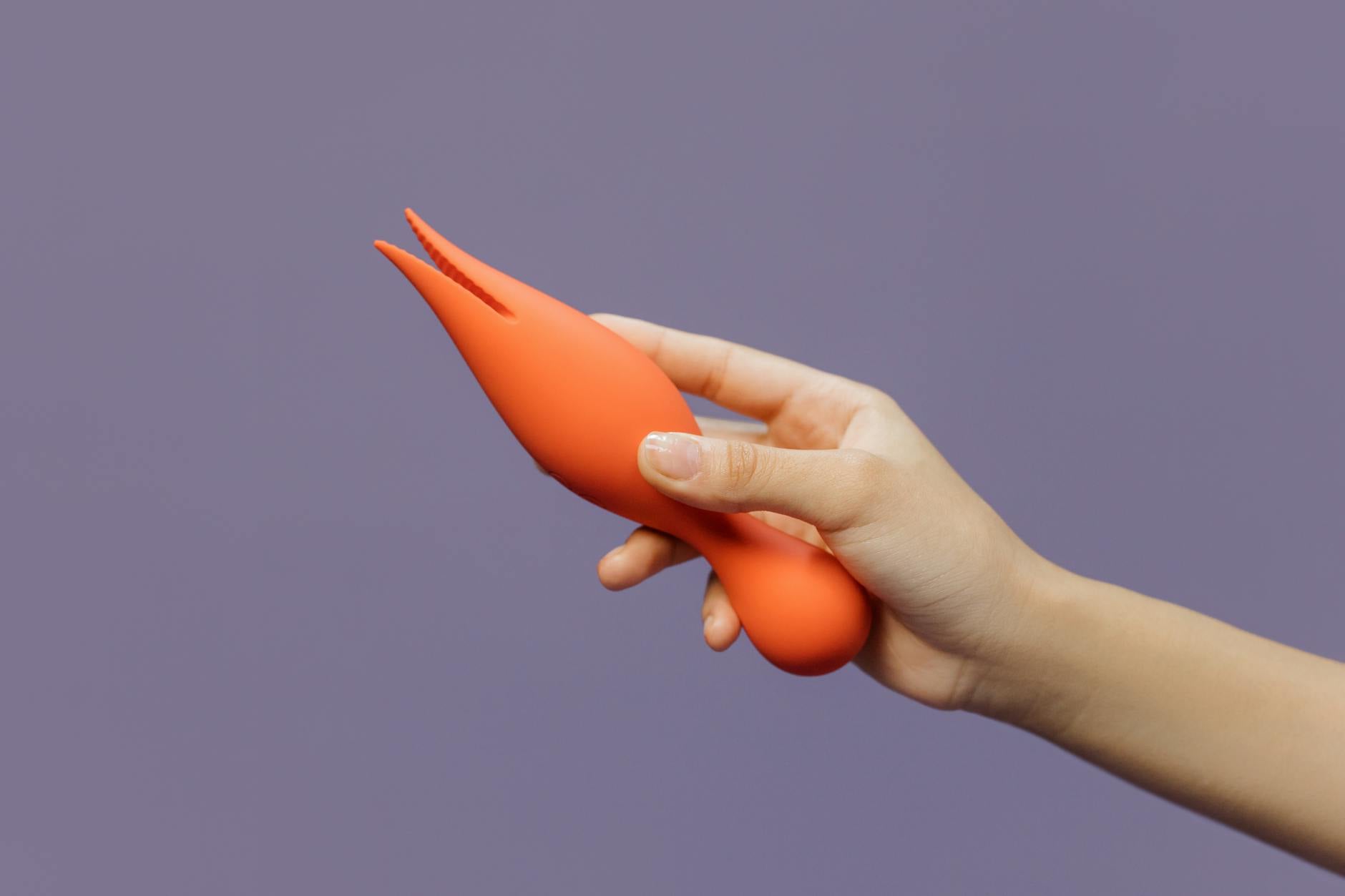
Lemon clitoral vibrators use suction, not vibration. That's the part that matters here. Suction creates a consistent, sealed pressure that doesn't rely on friction or intensity. It mimics the kind of mouth stimulation that evolved to feel good, and it does something crucial: it focuses sensation narrowly enough that your nervous system can relax into it.
When you're rebuilding arousal after stress, you don't need overwhelming intensity. You need permission. You need your body to learn again that pleasure is safe. A lemon vibrator gives you that permission in a way that traditional vibrators often don't. The suction pattern is gentler but more effective at creating arousal response. It works with your nervous system instead of demanding it perform.
Here's what actually happens: suction draws blood into the clitoral tissue in a predictable way. Your body starts to remember what arousal feels like. This is not metaphorical. With consistent, gentle stimulation, the nerve endings wake up. The parasympathetic nervous system starts to relax. Within a few sessions, many people report that arousal returns faster, feels more natural, and lasts longer.
The rebuild starts with solo play
If you're trying to reconnect after months of stress, solo exploration is where you need to start. Not because partnered pleasure is off the table, but because you need to make arousal safe for your body first. When you're alone, there's zero performance pressure. Zero worry about timing or whether your partner is enjoying themselves. You can stop whenever you want. You can go slow. You can skip a day if you're not feeling it.
This is the opposite of how stress taught you to operate. For maybe years, you've been attuned to your partner's emotional state, their needs, their dissatisfaction. Now you're practicing the radical act of paying attention only to your own body.
With a lemon vibrator, start at the lowest setting. Spend time just getting used to the sensation. There's no finish line here. The goal isn't to orgasm. The goal is to let your body remember that pleasure exists. Some people take three or four sessions before they feel anything beyond curiosity. That's completely normal.
How arousal cycling helps reset your nervous system
One of the most overlooked tools for rebuilding arousal after stress is arousal cycling. This is the practice of becoming aroused and then letting it drop without reaching orgasm, then building it up again. It rewires the nervous system's relationship to pleasure.
With a lemon vibrator, this is easy to practice. Bring yourself to 60 percent arousal, then pause. Put the device down. Notice what you feel. Then start again. Do this two or three times before letting yourself finish. What this teaches your body is that arousal is a spectrum, not a binary state. You don't have to reach climax for pleasure to count. Your nervous system gets the message that it's safe to feel good at any level of intensity.
Many people who've been through relationship stress find that this practice is transformative. It breaks the perfectionism that stress often installs. It makes arousal feel more available and less like a performance metric.
Timing matters when you're rebuilding
One thing I tell clients who are recovering from relationship stress is that your nervous system needs consistency. If you try to force arousal when you're still dysregulated (angry, sad, anxious), your body will reject it. This isn't failure. It's information.
Set a time when you genuinely feel calm. Maybe it's weekend mornings. Maybe it's right after exercise or a bath, when your cortisol is dropping. Give yourself 20 to 30 minutes. Don't expect results the first week or even the first month. Your nervous system has to unlearn the stress response. That takes time.
Keep a simple note of what you tried and how it felt. Not for performance tracking, but for pattern recognition. You'll start to notice what times, what settings, what mental states allow arousal to happen. This data becomes your roadmap.
What to do if arousal doesn't return on its own
If you've been rebuilding for two or three months and arousal still feels completely absent, it's worth checking in with a few things. First, are you on any medications that could be affecting libido? SSRIs, blood pressure medications, and some birth control methods suppress arousal. That's not something a vibrator can fix.
Second, is the relationship stress actually resolved? You can't trick your nervous system. If the conflict is still there, if you're still anxious about whether this relationship is safe, your body will stay defended. Pleasure doesn't return until your brain believes it's genuinely safe.
If both of those check out, and arousal is still MIA, talking to a sex therapist or menopause specialist (if you're perimenopausal) makes sense. They can rule out medical factors and help you explore what might be blocking arousal on a deeper level.

Rebuilding with a partner, when you're ready
Eventually, many people want to reconnect with a partner. Here's what I recommend: start by introducing the lemon vibrator into partnered play only after you've spent at least a few weeks with solo arousal. Your partner doesn't need to be present for the device to do its work. In fact, it's better if they're not, at least initially.
When you do introduce it together, be explicit about what you're doing. "I'm rebuilding my arousal after stress. I want to use this tool to help my body remember what pleasure feels like. I don't need you to do anything except be present and patient." This takes the pressure off your partner and sets realistic expectations.
Some people find that having a lemon vibrator as part of their partnered routine actually deepens intimacy. It removes the burden of being solely responsible for your partner's pleasure. You're each taking care of your own arousal. That's actually where long-term desire lives.
When to expect real shifts
Arousal doesn't return on a schedule. For some people, it comes back in two weeks. For others, it takes two months or longer. The key variable is how deeply the stress lived in your nervous system. If you were in conflict for years, rebuilding arousal will take time.
But here's what typically happens around week three or four of consistent practice: you'll notice that arousal comes faster. Your body will start warming up in response to the lemon vibrator more quickly. You might find yourself thinking about pleasure during the day, which you hadn't done in a long time. You'll feel less numb.
By week six or eight, many people report that they're finishing more reliably, that pleasure feels more full, and that they're actually looking forward to solo sessions instead of treating them like another task to manage.
That's when you'll know your nervous system is shifting.
The real work is the relationship
Here's the thing I want to be clear about: a lemon vibrator can't fix a broken relationship. It can't force your body to feel safe if the relationship itself is still unsafe. What it can do is give your nervous system permission to relax enough to feel pleasure again once the actual relationship dynamics have improved.
If you're still in conflict, if communication is still broken, if your partner is still dismissive of your needs, the vibrator is a band-aid. The real work is couples therapy, honest conversations, or sometimes recognizing that the relationship itself isn't worth rebuilding.
But if you've done that work, if the relationship is actually healthier now, if you genuinely want to reconnect with desire? A lemon vibrator is one of the most effective tools for helping your body catch up to where your mind wants to be. It's not magic. It's neuroscience.
Frequently asked questions
How long after relationship stress should I wait before trying to rebuild arousal?
Don't wait for everything to be perfect. Relationship repair is ongoing. What matters is that active conflict has stopped and you're both committed to doing things differently. You can start solo exploration with a lemon vibrator even while you're still in couples therapy. In fact, it often helps couples therapy by showing you that pleasure is still accessible to you.
Can I use a lemon vibrator if I'm still angry at my partner?
Yes, but your body might not respond well. Anger and arousal don't coexist easily. If you're in the angry phase, use the vibrator to explore what's possible for solo pleasure. This is actually valuable information. It tells you whether your lack of arousal is purely relational or whether it's deeper. Many people find that solo arousal returns before partnered arousal does, and that's completely normal.
Will rebuilding arousal help my relationship?
Maybe. If your partner has been feeling rejected because of low desire, showing them that you're working on reconnecting with pleasure can help. But don't do this for your partner. Do it because you want to feel alive again. That's the real work. When you're doing it for you, your partner benefits anyway. When you're doing it for them, your body usually knows and resists.
What if I rebuilt arousal and my partner still doesn't want sex?
Then you have a different problem than low desire on your end. If both people have returned to wanting connection and arousal is present but your partner is still withholding, that's a relationship issue that needs professional attention. A vibrator can't solve incompatible desire levels in a relationship.
How is a lemon vibrator different from a traditional vibrator for rebuilding arousal?
Traditional vibrators use rapid oscillation, which can feel overstimulating when you're already nervous. Lemon clitoral vibrators use suction, which feels more like touch and requires less mental focus to feel good. For people rebuilding arousal after stress, this gentler sensation often allows the nervous system to relax more quickly. You're not fighting against intensity. You're just enjoying sensation.
Can I use a lemon vibrator if I'm on antidepressants?
Absolutely. Many people on SSRIs or SNRIs experience reduced libido. A lemon vibrator won't counteract the medication, but it can help your body remember arousal capacity while you're on it. If you want to discuss whether changing your medication timing or type could help, that's a conversation for your prescriber. The vibrator is a tool that works alongside whatever else you're doing.
You deserve to feel good again
Relationship stress teaches your body that safety and pleasure don't coexist. That's a lie your nervous system learned, not a truth about you. Rebuilding arousal after stress is about teaching your body a new truth: pleasure is available, and you deserve it.
A lemon vibrator is one tool that makes that relearning faster and gentler. It's not the only tool. Therapy, communication, time, and patience matter too. But if you're ready to start feeling alive again, to let your body remember what pleasure feels like, this is a really effective place to begin.
If you want to explore how this fits into your specific situation, or if you have questions about what tool might work best for you, reach out. We're here to help.