The mismatch nobody talks about clearly
One person in the relationship wants sex. The other doesn't. Not "not right now." Not "I'm tired." A pattern. A gap. And suddenly every approach feels wrong. Initiating feels like rejection waiting to happen. Not initiating feels like resentment building quietly underneath.
This is the most common sexual dynamic I see in couples therapy. It's also the one people are least honest about.
Here's what happens next in most relationships: the person with higher desire either keeps initiating (and gets rejected repeatedly), stops asking entirely (and builds anger), or suggests a vibrator and immediately faces resistance because it feels like admitting defeat. The person with lower desire often feels pressure, guilt, and more pressure, which tanks desire even further.
Then everyone's stuck. And the vibrator sits in a drawer.
Why desire tanks in long-term partnerships
First, let's separate the thing that's actually happening from the thing you think is happening.
Most couples assume low desire is about attraction. "They don't find me attractive anymore" or "The spark died" or "They've checked out." Sometimes that's true. Most of the time it's not.
Low desire in long-term partnerships usually comes from one of three places.
Pressure. When sex becomes a point of negotiation or a source of conflict, your nervous system treats it like a threat. Desire tanks. This is biochemical, not emotional. Your body is literally protecting you from something it's learned to associate with stress.
Numbness. Sometimes desire hasn't gone anywhere. It's just quiet. The person with lower desire isn't rejecting their partner. They're disconnected from their own body. The pathway between thought and sensation has gone dormant.
Legitimate mismatch. And yes, sometimes two people genuinely want different things sexually, and that's the conversation that needs to happen. But most couples never get here because they're still stuck in the pressure and numbness loop.
Why lemon vibrators change the dynamic
Okay, so here's the thing about suction. It works differently in the body than friction does.
When someone has low desire, their arousal pathway is often sluggish. The clitoral tissue isn't engorging as quickly. The nerve response is dampened. A traditional vibrator requires friction to feel stimulating, which means either the intensity cranks up (overwhelming for someone already anxious about sex), or the sensation falls flat.
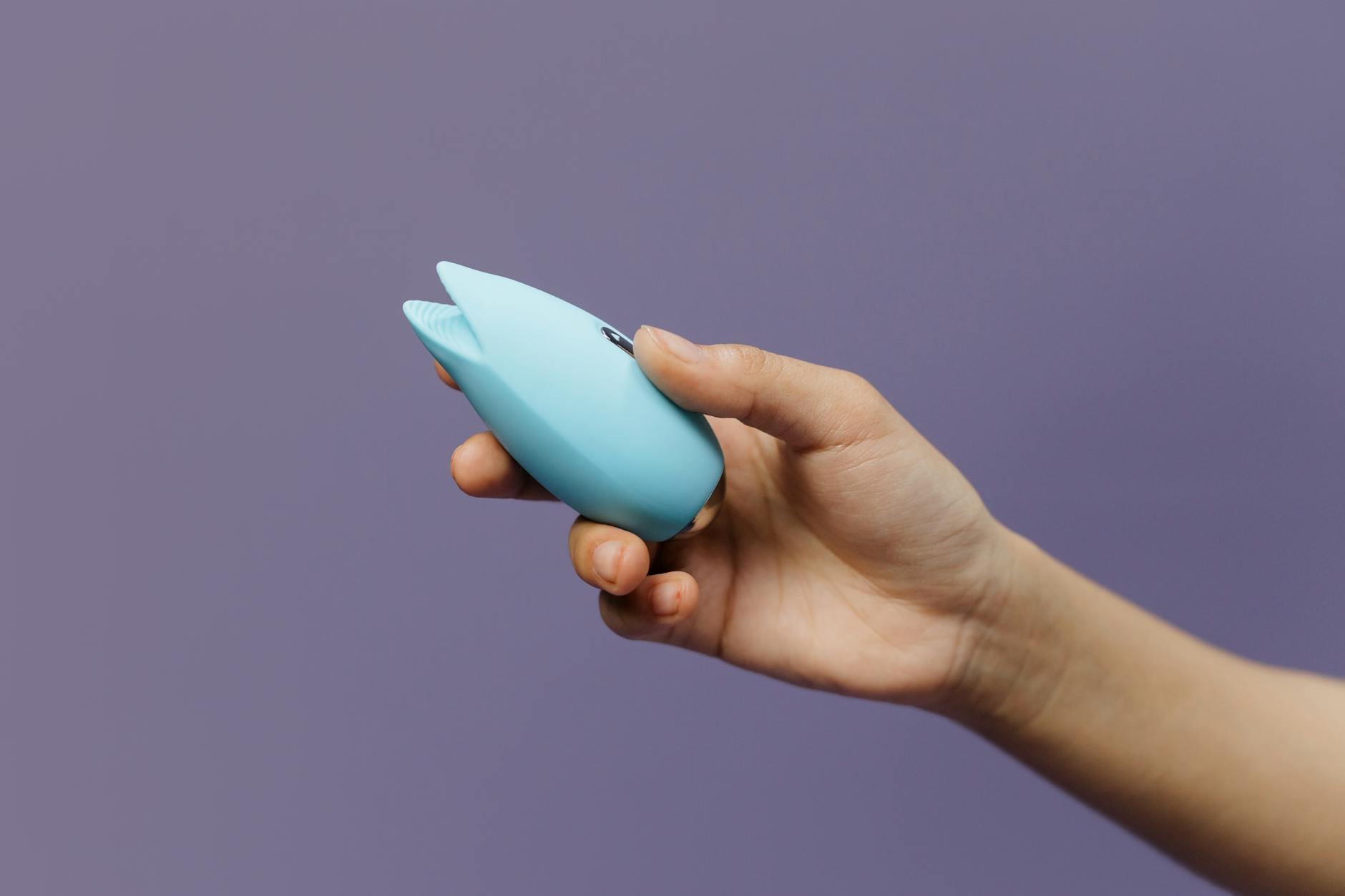
Lemon clitoral vibrators use gentle suction combined with subtle pulsation. This pattern meets the tissue where it actually is and wakes it up from the inside out. It's not about forcing pleasure. It's about reestablishing the conversation between nervous system and body.
For couples dealing with desire mismatch, this matters enormously.
How to introduce it without making it worse
The conversation is everything. Get this wrong and you've just confirmed their fear that you find them broken.
Don't lead with "I want to try this because you're not interested in sex." That's leading with the problem. Instead, you're introducing something that benefits both of you.
Try this: "I've been reading about how people reconnect during the parts of life where sex isn't happening much. There's this tool that seems to help people rediscover sensation without any pressure. Would you want to explore that together, just as an experiment?"
Notice what's missing: you haven't blamed them. You haven't made it about fixing them. You haven't made it about meeting your need. You've positioned it as a shared exploration.
Then the crucial part: if they say yes, don't make it about orgasm. The goal isn't to get them off. The goal is to rebuild the sensory pathway. This might mean spending 20 minutes just noticing what feels good, with zero expectation of outcome. This might mean you're not even touching each other. Maybe you're in the same room, exploring separately, and then talking about it.
This sounds backwards. It works because it removes the pressure that's been tanking desire in the first place.
The physical reset that happens
When someone has experienced repeated sexual rejection (even gentle, loving rejection), their body learns to shut down during sexual situations. This isn't their fault. It's a protective mechanism.
A lemon vibrator works differently than partnered sex because it's not about performance, coordination, or responsiveness to another person. It's just sensation. Slowly, the nervous system learns that pleasure is safe again.
I've watched this happen clinically dozens of times. The person with lower desire starts to remember what their own pleasure feels like, separate from any obligation to their partner. This is not a small thing. For some people, it's the first time they've accessed their own desire in years.
Once that pathway is awake again, the dynamic with the partner often shifts naturally. Not because they suddenly want more sex. But because the guilt and pressure have lifted. And without those, desire actually has room to exist.
What changes in the relationship
Here's what I tell couples: this isn't about making the person with low desire want more sex. It's about removing the thing that's blocking desire from existing at all.
When you introduce a lemon suction vibrator into a desire-mismatch situation, several things tend to happen.
First, the conversation shifts. You're no longer talking about "why don't you want me." You're talking about "what helps us both feel good." That's a completely different negotiation.
Second, the person with lower desire gets to experience their own pleasure on their own timeline. No performance, no coordination, no watching their partner's face to see if they're doing it right. Just sensation. This is revelatory for people who've been numb.
Third, the person with higher desire gets to see their partner experiencing pleasure again. That often matters more than the frequency of sex itself. The disconnection was painful. Reconnection, even in small doses, shifts everything.
Eventually, some couples find their way back to partnered sex. Some find a rhythm that works for both of them without it. Some discover that they actually want different things and that's okay. But none of that conversation can happen if the person with lower desire is still trapped in numbness and pressure.
The conversations that come after
Introducing a lemon vibrator is not the same as solving the desire mismatch. It's creating the conditions where a real conversation can happen.
Once both people are less defended, you can actually ask the questions that matter. Is low desire about this relationship specifically, or is it about the person's own disconnection from their body? Is there resentment underneath that needs to be addressed separately? Are there medical factors? Is it about stress, mental health, or medication side effects?
Some of these have solutions. Some don't. But at least you're looking at the actual problem instead of circling the symptom.
When to involve a professional
If desire has been absent for more than six months and the partner is open to exploring together but nothing is shifting, that's the moment to bring in a sex therapist. Not because you're broken. But because desire mismatch often has layers, and sometimes you need help untangling them.
A good sex therapist won't prescribe more sex. They'll help you understand what's actually blocking desire and whether that's something you can work through as a couple or whether it's deeper work that one or both of you need to do individually.
The lemon vibrator is a tool, not a solution. But for couples stuck in the cycle of rejection and resentment, it's often the tool that lets the real work begin.
A note on timing and patience
When you first introduce a lemon clitoral vibrator into a low-desire dynamic, don't expect immediate results. Sometimes it takes weeks before the person with lower desire feels safe enough to actually use it. Sometimes they never do, and that's information too.
The goal is to remove pressure, not add a new expectation. If using the vibrator becomes another thing you're waiting for them to do, you've just recreated the original problem in a different form.
It helps to set explicit boundaries around this. "We're trying something new. There's no timeline. There's no measurement of success. If it helps, great. If it doesn't, we move on." This sounds simple. It's actually the hardest part for most couples.
Patience in this context isn't passive. It's active. It's choosing not to make the mismatch mean something it doesn't. It's staying curious instead of defensive. It's remembering that your partner's low desire isn't a rejection of you, even though it feels that way sometimes.
That shift alone often changes everything.
FAQ
Why would a lemon clitoral vibrator help if the problem is in the relationship, not the body?
Desire is both. When someone's nervous system has learned that sex is stressful, their body literally stops responding. A lemon suction vibrator can help reset that physical response, which then makes the emotional work easier. You're not ignoring the relationship issues. You're removing the barrier that's keeping the person from being able to feel anything at all.
What if my partner refuses to try anything, even exploration?
That's information. It might mean they need space, they're feeling too much pressure, or they're genuinely not interested in reconnecting sexually. Those are three very different conversations. A therapist can help you sort which one is actually true and what to do next.
Can we use a lemon vibrator together if they're nervous about it?
Absolutely. You might start by using it on yourself while they're in the room, just observing. Or you might explore it together without any expectation of intercourse. The pressure to perform together is usually part of what killed desire in the first place, so removing that pressure is the whole point.
How long does it take for the desire mismatch to improve?
There's no timeline. Some couples notice a shift in weeks. Some take months. Some find that the mismatch is actually a fundamental incompatibility that won't resolve, and they have to make different decisions. A lemon vibrator can help reset the nervous system in 2-4 weeks. Whether that translates to a shift in the relationship dynamic is a separate question.
What if we introduce a vibrator and it makes things worse?
It usually doesn't, but if it does, step back. Low desire situations are fragile. Sometimes a vibrator feels like another demand. If that's happening, you've moved too fast. Go slower. Stay in conversation instead of action for a bit. And consider therapy.
Is using a vibrator admitting that partnered sex isn't working?
No. It's admitting that what you've been doing isn't working, and you're willing to try something different. That's actually strength. For couples with desire mismatch, partnered sex often isn't working because the pressure has made it impossible. The vibrator isn't a replacement for partnered sex. It's a way to rebuild the foundation that makes partnered sex possible at all.
Here's what actually matters
Desire mismatch in long-term partnerships is one of the most painful dynamics couples face. But it's also one of the most fixable, if you approach it right.
A lemon vibrator isn't magic. It won't force your partner to want sex. But it can help reset the nervous system response that's been tanking desire. It can remove pressure. It can help both people remember what pleasure feels like separately, which sometimes makes partnership pleasure possible again.
The real work is the conversation. The willingness to approach the mismatch with curiosity instead of blame. The patience to let things shift slowly. A tool just helps you do that work from a less defended place.
That's where healing usually starts.