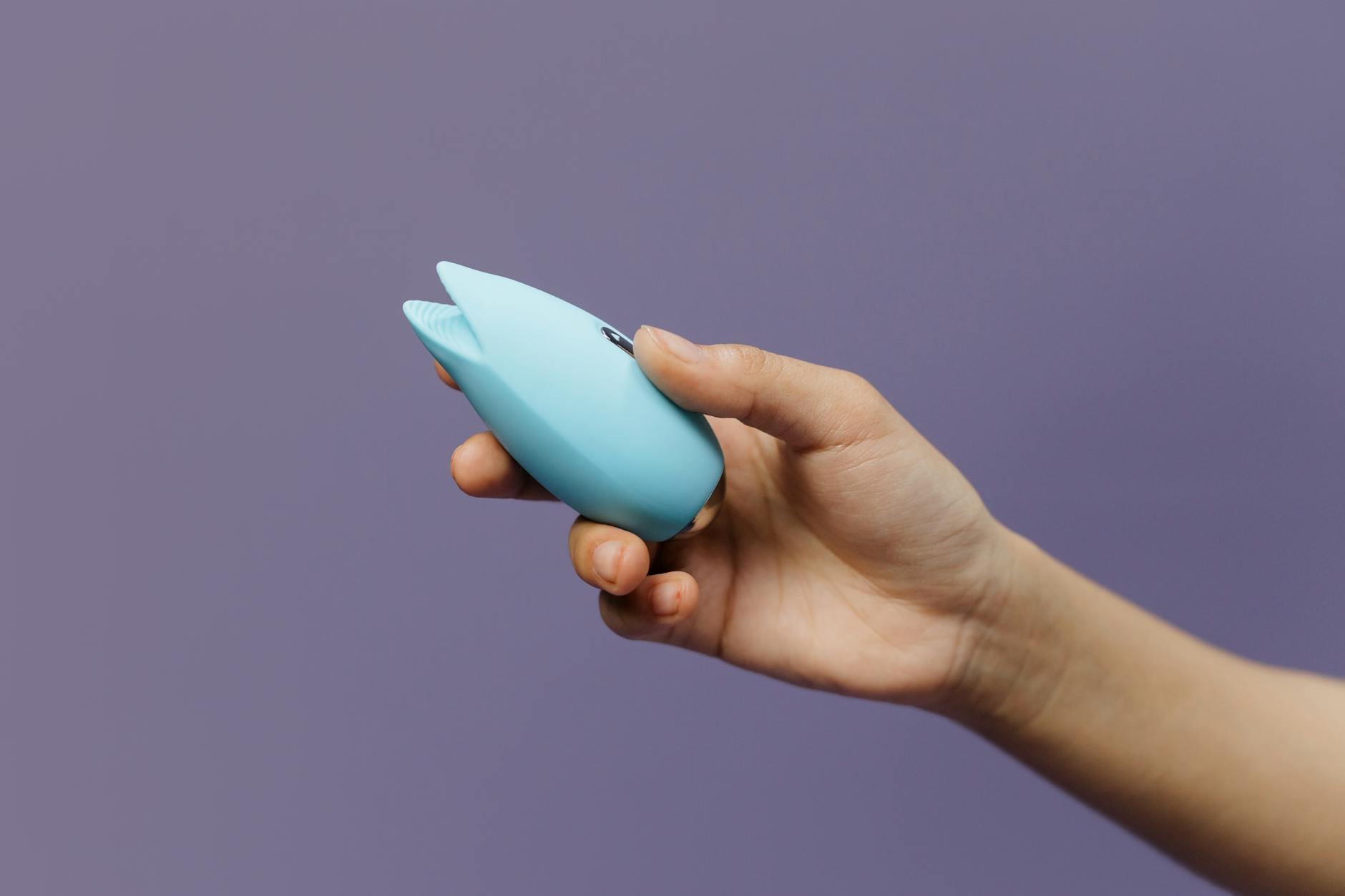
How Lemon Vibrators Help When You Have Vaginismus or Pelvic Tension
Vaginismus makes penetration feel impossible. Most treatment protocols miss clitoral pleasure entirely. That's where lemon clitoral vibrators change everything.
Vaginismus is involuntary muscle tension in the pelvic floor. Your body clenches. Penetration feels painful, impossible, or triggering. It's not psychological weakness, it's not in your head, and it's wildly common—about 1 in 25 people with vulvas experience it at some point. Most treatments focus on relaxation, pelvic floor physical therapy, and dilators. All useful. But here's what gets missed almost entirely: pleasure.
When your nervous system is stuck in "protect the pelvis" mode, pleasure becomes secondary. Your brain is running a threat detection loop. Sex stops being about sensation and starts being about pain management. That's the actual problem lemon vibrators solve. They bypass the threat narrative and rebuild pleasure from the clitoris outward, which is neurologically the opposite direction from penetration.
Vaginismus lives in your pelvic floor muscles. The clitoris doesn't. The suction stimulation from a lemon clitoral vibrator works on the external clitoral tissue, which has zero connection to the muscles that are clenching. This matters because it means you can experience orgasm and pleasure without triggering the protective response that makes penetration painful.
Here's the mechanism: A lemon sucker creates gentle, rhythmic suction that stimulates the clitoral bulbs and external clitoral body. This triggers a pleasure response without any pressure or threat to the vaginal opening. Your nervous system gets to experience arousal and satisfaction in a completely safe zone. Over time, as your brain learns that pleasure doesn't equal pain, the overall pelvic tension often begins to soften.
Most vibrators rely on direct vibration, which can feel too intense or even irritating when you're managing pelvic tension. The suction mechanism is fundamentally gentler because it's working with tissue compression and negative pressure rather than rapid back-and-forth movement.
Standard vaginismus treatment typically follows this path: dilators, then gradual penetration, then full sex. This is medically sound, but it leaves you pleasure-starved through the entire process. You're doing clinical homework on tissue relaxation without reconnecting to why you wanted sex in the first place.
Lemon clitoral vibrators flip that order. Start with pleasure. Build orgasm capacity before you attempt penetration. This does two things psychologically. First, it reminds your nervous system that your body can experience something good. Second, it creates positive associations with sexual pleasure that aren't tangled up with fear or pain.
My clients who use a lemon vibrator while also doing pelvic floor physical therapy report faster progress than those doing PT alone. The theory is that pleasure creates a counterbalance to the protective tension. Your pelvis can't be locked down in fear and flooded with feel-good neurochemicals at the same time.
Start external, always. The lem vibrator sits against the external clitoris and vulva. No penetration. No internal pressure. Just surface stimulation.
Begin with your lowest intensity setting (pattern 1 or 2 on most lemon vibrators). You might need to hold it there for longer than you'd expect—pelvic tension often means your body takes longer to recognize safe pleasure signals. Fifteen to thirty minutes is normal, not excessive.
Pay attention to your breath. If you notice you're holding your breath or bracing, pause. This is key: the work isn't to push through tension, it's to build pleasure pathways that exist separately from it. Your pelvic floor should stay relaxed. If it's clenching, you're either going too intense or the timing isn't right that day.
As your brain maps out that clitoral stimulation equals safety and pleasure, you can gradually explore higher intensity settings. Some people find that after a few weeks of consistent use, they notice their baseline pelvic tension has dropped just from regular pleasure practice.
If you're in a relationship, your partner needs to understand that lemon clitoral vibrators aren't a workaround to "fix" you so penetration becomes possible. They're a tool for you to experience pleasure now, regardless of where your vaginismus treatment stands. This distinction prevents the entire dynamic from becoming medicalized around your partner's access to penetrative sex.
The paradox is that once you rebuild pleasure and your nervous system relaxes, penetration often becomes more possible. But the causality runs through your pleasure and your healing, not through your partner's needs or timeline. That boundary matters for both of you.
A lemon vibrator is a complement to professional care, not a replacement. If you haven't worked with a pelvic floor physical therapist trained in vaginismus, that's genuinely your first move. PT teaches your muscles how to actually relax (not just soften, but release). A vibrator can speed that process up, but it can't do the structural work alone.
If you've been in PT for months and pleasure is still off the table, adding a lemon clitoral vibrator often unfreezes things. The combination is powerful: you're getting professional muscular retraining plus rebuilding your own capacity for pleasure and arousal.
Some therapists and physios are cautious about vibrators early in treatment because they worry about intensity or overstimulation. This is fair. A lemon vibrator on pattern 1 is gentler than most fingers, but every body is different. If your care team has concerns, start at the absolute lowest setting and go slowly.
Vaginismus isn't just a pelvic floor problem. It's a threat-response problem. Your nervous system has learned that the vaginal opening equals pain or danger, and it's protecting you. The protective clenching makes perfect sense—it's not a malfunction.
Pleasure is the antidote to threat. When your body experiences genuine, sustained pleasure from clitoral stimulation, your nervous system starts updating its threat map. It learns that pleasure can happen in your vulva, that arousal is safe, that your body can feel good. This reprogramming happens slowly, but it's the actual work that shifts vaginismus long-term.
A lemon vibrator is one of the only tools that isolates clitoral pleasure cleanly enough to do this work without triggering the protective response. That's why so many people find them transformative when they're managing pelvic tension.
Will a vibrator desensitize me? Not if you're using it on the lower settings and with breaks. Pelvic tension actually mutes sensation, so rebuilding sensation sensitivity is part of the goal.
Will it make penetration harder? No. Usually the opposite. Once your nervous system knows pleasure is possible, the protective clenching often eases.
Should I use it alone first or with my partner? Either works. Some people prefer solo practice to build confidence. Others like their partner there for safety and connection. There's no right answer.
How long does this take? It depends on how long your vaginismus has been present and whether you're also doing pelvic floor work. Some people see shifts in weeks. Others take months. Consistency matters more than intensity.
Yes, but start very external. Don't aim for the vaginal opening at all—focus on the outer vulva and clitoris. If even light touch triggers pain or clenching, that's your signal to pause and possibly check in with your pelvic floor PT about where you are in the healing timeline. A lemon sucker should feel pleasurable, never painful. If it doesn't, the timing might not be right yet.
Lemon vibrators can be helpful, but trauma-related vaginismus usually benefits from trauma-informed therapy alongside pelvic work. A vibrator is a tool for rebuilding pleasure, not processing trauma. If your vaginismus connects to assault or abuse, work with a trauma-specialized therapist who can guide you on whether and when vibrators feel safe.
Lemon suction vibrators work with gentle tissue compression rather than direct vibration. This tends to be less overwhelming for people with pelvic tension. The lemon design also gives you more precise control over intensity. That said, some people find traditional vibrators work fine. It's individual—but a lemon vibrator's lower baseline intensity often makes it the gentler starting point.
No. The vibrator isn't holding your pelvic floor relaxed. You are. What the vibrator does is help your nervous system learn that pleasure is safe. Once your brain updates that belief, it stays updated. You can stop using the vibrator whenever you want—the rewiring doesn't revert.
Yes, always. Water-based lube makes the experience smoother and signals safety to your nervous system. Even though you're not penetrating, lube on the external vulva and clitoris removes any friction that might read as threat. It's one small barrier to pleasure removed.
Some people love this. Others prefer solo exploration first to build confidence in their own pleasure. If your partner is involved, make sure the focus stays on your sensation and your consent, not on "fixing" your vaginismus or moving toward penetration. The vibrator is for your pleasure, full stop.
Vaginismus is treatable. Pelvic floor physical therapy works. Relaxation practices help. And adding pleasure—real, consistent, clitoral pleasure—often accelerates healing in ways that clinical protocols miss. A lemon clitoral vibrator doesn't cure vaginismus. But it can rebuild your nervous system's belief that your vulva is capable of feeling good. That belief is usually the thing that needed to shift all along. If you're working through vaginismus or pelvic tension and want to talk through what might work for your body, reach out. We're here to help you rebuild pleasure on your own terms.