When stress steals sensation
Your nervous system is in survival mode. Bills, deadlines, family obligations, relationship tension. Your body responds by tightening, bracing, staying vigilant. And somewhere in that protective crouch, pleasure goes offline. Not because you don't want it. Not because you're broken. Because your nervous system has decided that arousal is a luxury it can't afford right now.
This is chronic stress numbing, and it's wildly common. What's less common is understanding that this kind of shutdown isn't just psychological. It's neurological. Your vagus nerve, your parasympathetic system, your dopamine pathways. They all get downregulated when you're running on cortisol.
Here's what happens physiologically, and why lemon clitoral vibrators actually work differently than other tools when you're stuck in this state.
How stress numbs the pleasure circuit
Think of your nervous system as having two settings. The sympathetic system is the accelerator. Go, fight, run, worry. The parasympathetic system is the brake. Rest, digest, recover, feel. Chronic stress keeps you in the accelerator. Your brain is flooded with cortisol and adrenaline. Your pelvic floor is clenched. Your blood vessels are constricted. Your tactile sensitivity drops because your body has literally turned down the volume on non-essential sensations.
This isn't laziness or lack of desire. Your body is protecting you. The problem is that protection becomes a trap. You want to feel pleasure. Your brain knows what pleasure is supposed to be. But the highway that leads there has been overgrown.
Why ordinary vibrators often don't work
Traditional vibrators rely on speed and friction. Your clitoris needs to sense those vibrations clearly. But when stress has downregulated your nervous system, that signal gets lost in the noise. You might feel something, but it reads as faint, distant, or even uncomfortable because your tissues are tense and your nerve endings aren't fully awake.
You end up chasing sensation that keeps slipping away. Frustration sets in. You quit. And that reinforces the belief that pleasure is just off the table right now.
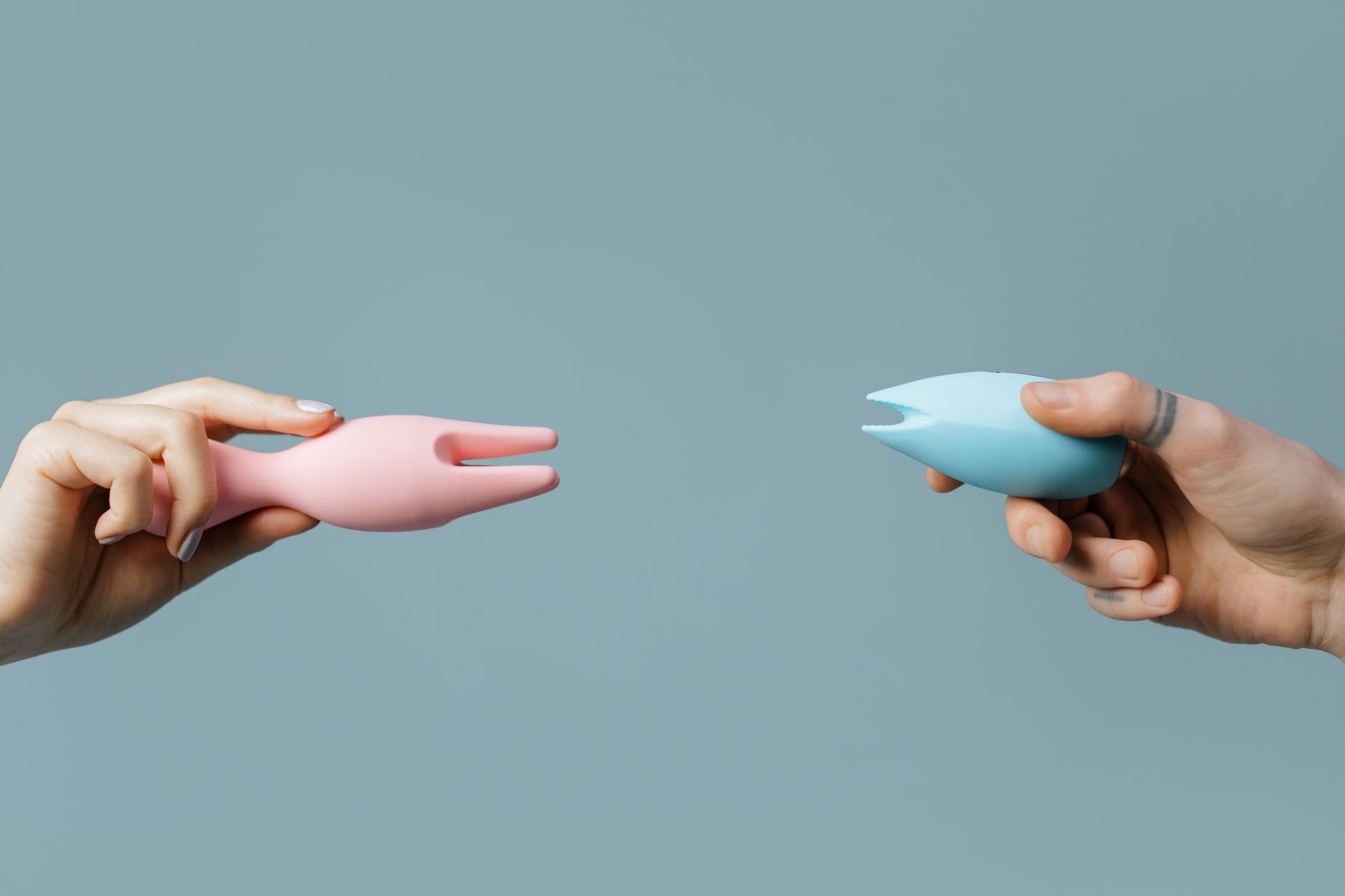
Lemon clitoral vibrators work on a different principle entirely. Instead of vibration, they use rhythmic suction. This is crucial. Suction activates a different set of nerve pathways than friction does. It's gentler, broader, and it doesn't require your system to be fully relaxed to register. Suction wakes up sensation from a different angle.
The suction advantage for stressed bodies
When you're in chronic stress, your nervous system is hypervigilant. It's scanning for threats. Sensation that feels sharp, fast, or intense registers as potential danger and triggers a bracing response. Your pelvic floor contracts harder. Your pleasure shuts down further. It's a vicious cycle.
Suction changes the input. Instead of rapid, sharp stimulation, you're getting rhythmic, encompassing pressure. Your nervous system reads it differently. Less like a threat to guard against, more like a safe sensation to sink into. For someone stuck in stress numbing, that distinction is everything.
The lemon sucker approach also has built-in variability. You can modulate intensity, pattern, and rhythm. You're not locked into one setting. This control matters when your nervous system is sensitive to surprise or overstimulation.
Rebuilding sensation: a three-part process
Recovering from stress numbing isn't about pushing harder. It's about coaxing your nervous system back online, step by step.
Part one: Safety signals. Before you even pick up a lemon vibrator, your nervous system needs permission to relax. This might sound like meditation, but honestly, it's simpler. It's warm baths, skin contact with a partner or yourself, time without screens, vagal toning exercises. Anything that signals to your brain that you're safe enough to rest. This is the prerequisite. You can't access pleasure from a locked-down nervous system.
Part two: Gentle reawakening. Once your system has some capacity for rest, low-intensity sensation starts to register. This is where a lemon clitoral vibrator at its lowest settings becomes useful. Start with pattern 1 or 2. No goal. No pressure to reach an endpoint. You're just introducing sensation back into your body. You're saying to your nervous system, "This is safe. This is information, not a threat."
Part three: Nervous system rewiring. Over time, as your stress load lightens and your system gets used to safe sensation, you can build intensity. But this isn't a race. Some people take weeks. Some take months. The timeline doesn't matter. What matters is that each time you practice, you're laying down a new neural pathway. Sensation comes back. Arousal becomes possible again. And it's not fragile. It's built on a foundation of safety.

Photo by cottonbro studio on Pexels
The role of your stress environment
Here's the honest part: a lemon vibrator will help, but it won't fix everything if your stress environment hasn't shifted. If you're still drowning in the same chaos, your nervous system is going to keep defending itself.
This is where I push back gently on the idea that pleasure is purely physical. It's not. Your stress load, your relationship dynamics, your sleep, your workload. These are all part of the same system. A tool like a lemon clitoral vibrator can open a door. But you have to be willing to step through it. And that means looking at what's keeping you locked down in the first place.
If stress is coming from a relationship, that needs attention. If it's work, you need boundaries. If it's a health issue, you need support. The suction technology in lemon vibrators is elegant, but it can't outrun chronic overwhelm.
Building a practice that actually sticks
When you're stressed, adding anything to your to-do list feels impossible. So let's reframe this. You're not adding a task. You're protecting a resource. Pleasure is part of recovery. It's not frivolous. It's how your parasympathetic nervous system learns to turn back on.
Start small. Ten to fifteen minutes, once or twice a week. No performance pressure. No goal beyond noticing what sensation feels like right now. If you have a partner, they can be in the room or not. If you don't, that's fine too. This is about you and your nervous system finding each other again.
Use the lemon vibrator as an anchor. Its patterns are reliable. You know what to expect. That predictability is calming to a stress-activated system. Over weeks, your body will start to anticipate pleasure instead of bracing against threat. That's the shift. That's how you know it's working.
When to talk to a professional
If stress numbing has been going on for a year or longer, or if it's tied to trauma, depression, or significant relationship problems, a therapist trained in somatic work or trauma can accelerate recovery. Tools like lemon clitoral vibrators are powerful, but they're most effective when paired with nervous system work that addresses the root of the stress.
A good therapist can help you understand what your body is protecting you from, and help you feel safe enough to open again. That's the work a vibrator can't do alone, even a well-designed one. But together, they can transform what felt locked forever back into something alive.
FAQ
How long does it take for lemon vibrators to help with stress numbing?
Most people notice a shift in sensation within two to three weeks of consistent use. But the timeline is different for everyone. If you've been numb for years, your nervous system needs patience. Think of it like physical therapy. You wouldn't expect full range of motion back in a week. Pleasure works the same way.
Can stress numbing cause permanent damage to arousal?
No. Your clitoris doesn't forget how to feel. Your nerve endings are still there. What's temporarily offline is the neural pathways that carry sensation up to your brain. These pathways can be rebuilt. It takes time, but it's absolutely reversible.
Is suction better than vibration for all types of stress-related numbness?
Not necessarily for everyone, but it's gentler for bodies in a protective state. Some people respond better to the rhythmic pressure than to rapid vibration. If suction doesn't click after a few sessions, it's worth trying other approaches. But most people find lemon vibrators particularly effective when stress has locked them down.
Can I use a lemon clitoral vibrator if I'm also on antidepressants or anti-anxiety medication?
Yes. Absolutely. In fact, medication that helps your nervous system regulate can make your lemon vibrator more effective, not less. Some medications do affect arousal, but that's a conversation with your doctor. The suction-based approach in a lemon vibrator often works well alongside medications that are helping you feel safer.
What if pleasure doesn't come back, even with consistent practice?
If you've been practicing for three to four months and sensation still isn't returning, something else might be at play. Chronic medical conditions, hormonal imbalances, unresolved trauma. This is when you loop in a sex therapist or somatic practitioner who can do deeper exploration. A lemon vibrator is a great tool, but it's not a complete solution on its own.
Should I tell my partner I'm using a lemon vibrator to recover from stress numbness?
That depends on your relationship and what feels right to you. If you have a partner, involving them can be beautiful. You might use it together, or they might just know it's part of your healing. But if you need privacy and solo practice to feel safe, that's valid too. This is your nervous system learning to come alive again. The audience doesn't matter. Your recovery does.