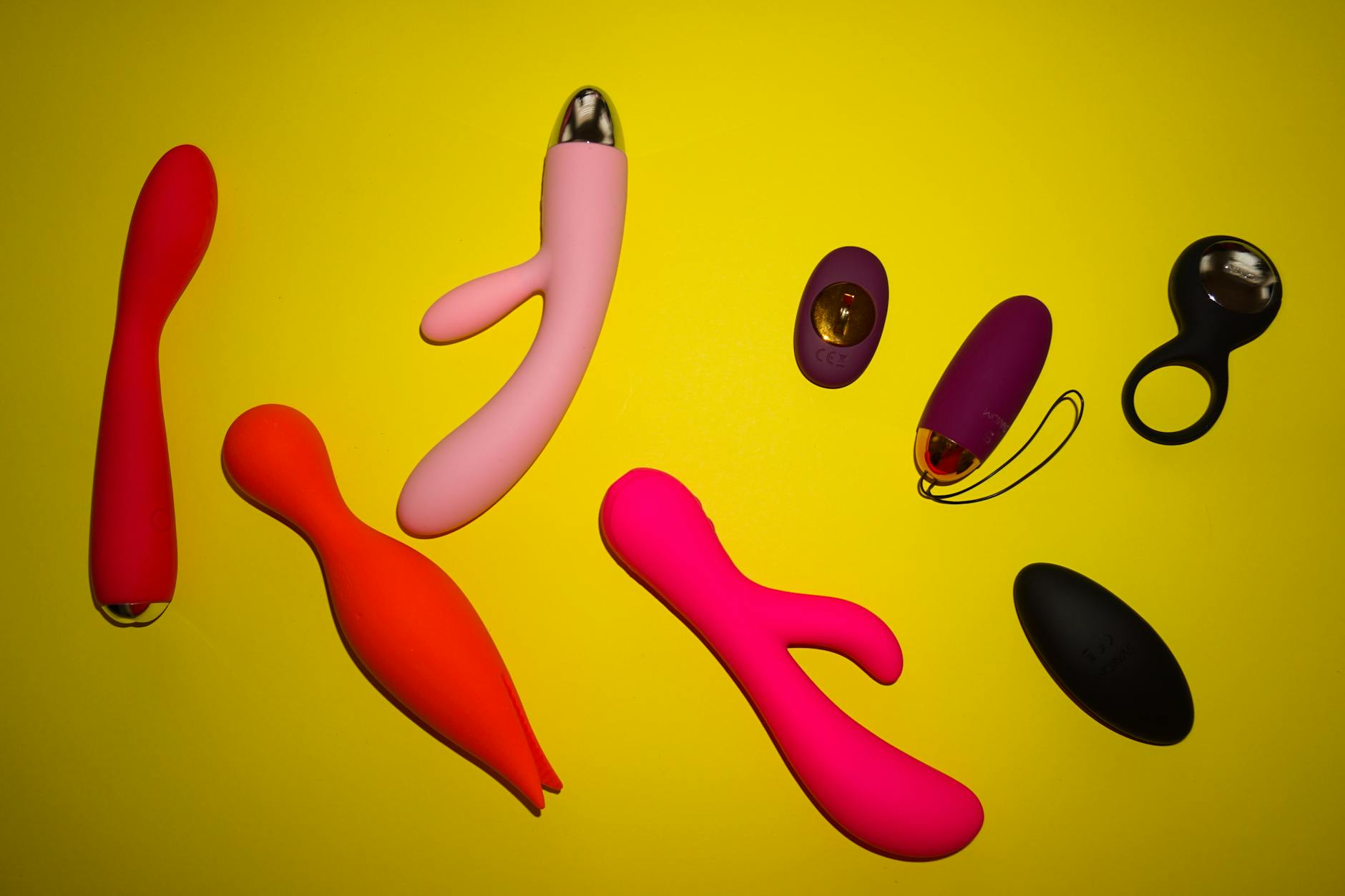
Let's be real about slow arousal
Somewhere along the way, you got the message that arousal should be immediate. Spontaneous. A switch that flips on and stays on until the deed is done. If that's not happening for you, the narrative suggests something's wrong with your body.
Here's the truth: slower arousal is wildly common, completely normal, and often ignored because people are too embarrassed to talk about it openly.
Why arousal takes longer than it used to
There are a few reasons this happens, and understanding them matters because it changes how you respond.
Stress and mental load. Your brain is literally doing seventeen things at once. Work deadlines, family logistics, a text you didn't respond to, that thing you said three years ago. Arousal requires downshifting into parasympathetic mode. When your nervous system is running a background process of low-grade anxiety, arousal stays on the sidelines.
Hormonal changes. Whether it's age, birth control, medication, or life circumstances, your hormone profile isn't what it was. Testosterone (which drives desire in all bodies) may be lower. Estrogen shifts change how quickly nerves fire and how sensitive tissue responds. These changes are real, measurable, and absolutely manageable.
Relationship patterns. After years with a partner, the automatic spark often flattens. This isn't loss of love. It's actually evidence of deep familiarity. The nervous system doesn't trigger novelty-based arousal anymore. But that means you need a different entry point.
Touch threshold changes. Some bodies genuinely need more sustained, focused stimulation before the arousal chain reaction starts. This isn't dysfunction. It's just a different operating system.
Why lemon vibrators change the timeline
Here's where lemon clitoral vibrators and suction-based stimulation become useful tools. Suction works differently than traditional vibration because it engages the tissue at a deeper level without requiring the body to warm up first.
When arousal is slower to build, the problem often isn't that you can't get there. It's that you need help getting started. Lemon vibrators like Lem Nancy's design work by creating rhythmic suction that draws your attention directly to the clitoris, bypassing some of the preliminary warming-up that slower arousal usually requires.
Think of it this way: traditional vibrators buzz the surface. Suction engages the tissue. For bodies that need consistent, predictable input to cross the arousal threshold, that difference is significant.
The science of suction stimulation
When you use a lemon clitoral vibrator with suction, you're not just creating sensation. You're triggering blood flow to the area in a way that accelerates the natural arousal process. The repetitive suction pattern creates a feedback loop. Increased blood flow makes the tissue more sensitive. More sensitivity creates more responsive nerves. More responsive nerves = arousal building faster.
For people with slower arousal patterns, this is genuinely helpful because you're working with your body's actual response system rather than trying to force it into a faster timeline.
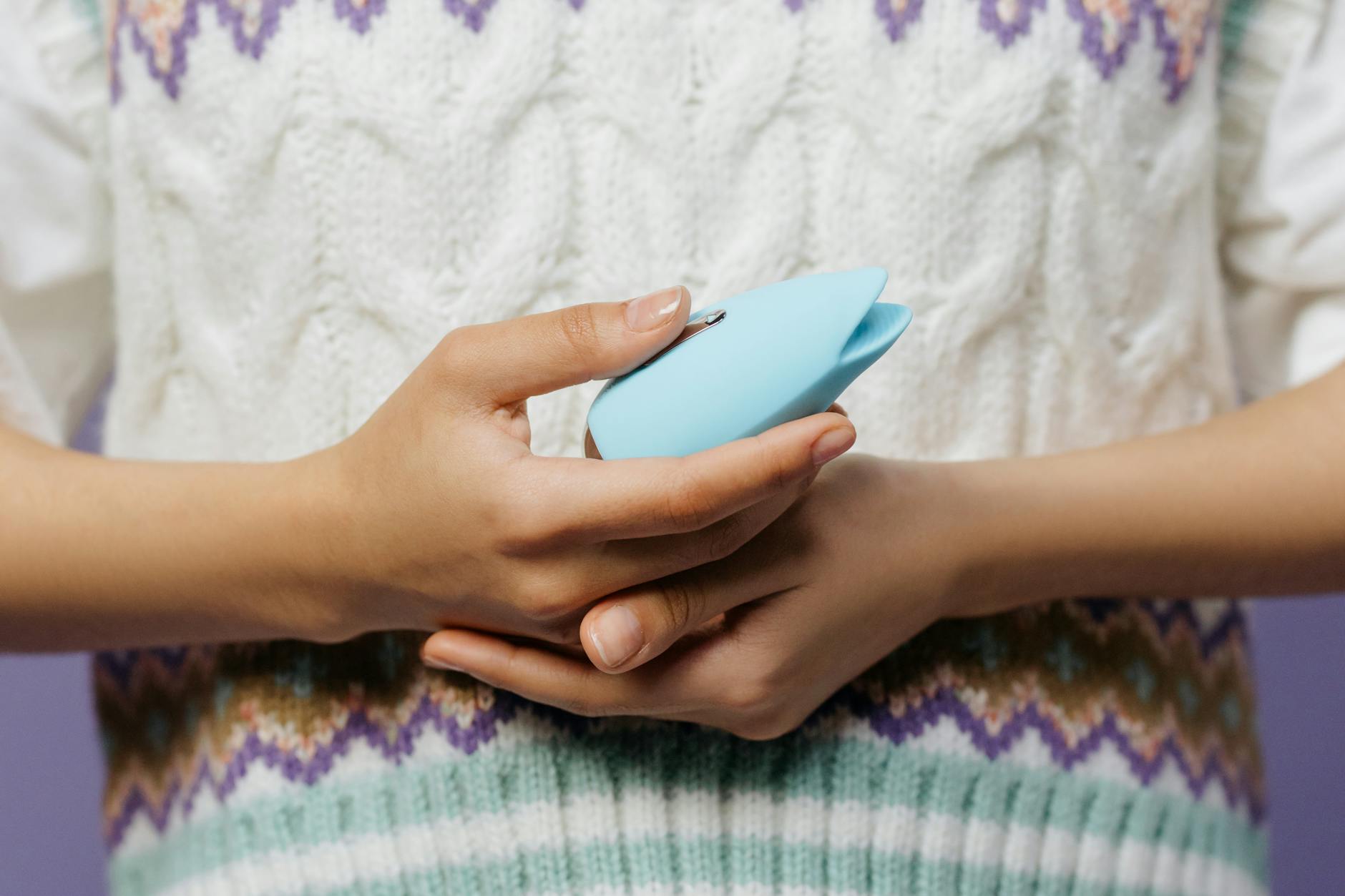
Photo by cottonbro studio on Pexels
One important note: you're not using the vibrator to replace arousal. You're using it to help your body reach the arousal threshold. That's a meaningful distinction. Once the nerve endings are engaged and blood flow is present, many people find they can shift into partnered activity or continue solo without the device.
Building a slower arousal practice
If arousal takes you 20 or 30 minutes instead of five, that's not broken. That's information. Here's how to work with it.
First, ditch the speed goal. You're not racing toward orgasm. You're building sensation gradually. A lemon clitoral vibrator works best when you're using it as part of an extended session, not as a quick fix. Set aside time. Tell your partner (if there is one) that this is the new normal. Reframe it as deeper, more intentional pleasure rather than something wrong that needs fixing.
Second, start low and build. On devices like Lem Nancy clitoral vibrators, begin at the lowest suction setting. You're not trying to go 0 to 60. You're inviting your body to wake up. Many people find that after 10 to 15 minutes on a lower setting, arousal has built enough that you can increase intensity.
Third, use lube even if you don't think you need it. Slow arousal often comes with slower lubrication. Water-based lube isn't admitting defeat. It's removing friction so the vibrator can do its work without your nervous system getting distracted by discomfort.
Fourth, temperature matters. Cold hands, cold sheets, cold everything suppress arousal. Warm water, warm hands on your skin, a heated blanket. These aren't luxuries. They're part of your arousal system.
How arousal cycling connects to slower building
One pattern I see frequently: people with slower arousal respond really well to arousal cycling, where you build arousal in waves rather than linear progression. A few minutes with the vibrator, then pause. Some kissing or touch without stimulation. Then back to the vibrator. Back and forth.
This rhythm actually works for slower-building bodies because each wave primes the nervous system for the next one. You're not fighting your timeline. You're using it.
When to use the vibrator in partnered sex
If you have a partner, here's where a lot of people get stuck: they think they need to choose between partnered stimulation and the vibrator. You don't.
Many couples find that starting with the vibrator solo (or with a partner present) for the first 15 minutes jumpstarts arousal to a place where partnered activity feels more connected. The vibrator isn't competing with your partner. It's the opening act.
Otherwise, you're both sitting there waiting for something to happen, tension mounting, which is the opposite of helpful.
The reframe you actually need
Slower arousal isn't a bug. It's a feature you've been taught to hate. Your body is asking you to slow down, pay attention, and create space for pleasure to actually unfold. That's not dysfunction. That's wisdom.
Lemon vibrators work really well in this context because they're designed to provide consistent, focused stimulation that helps your nervous system cross into arousal when your natural timeline is longer than the cultural baseline. They're a tool for working with your body, not against it.
If you're consistently frustrated that arousal takes longer than you think it should, the problem isn't your body. It's the timeline you've internalized. Change the timeline. Give yourself 30 minutes instead of 10. Use a vibrator designed for deep clitoral engagement. And stop apologizing for how your arousal actually works.
Common questions about slow arousal and vibrators
Will using a lemon clitoral vibrator make me dependent on it for arousal?
No. Vibrators don't rewire your arousal response. They help your existing response system work more efficiently. Think of it like using glasses. Glasses help you see better, but your eyes still work without them. You can shift between solo vibrator use, partnered activity, and other forms of stimulation without losing the ability to respond to any of them. Many people find that once arousal is established with a vibrator, they can continue without it if they choose to.
How long should I use a lemon vibrator before I switch to something else?
There's no rule. Some people use it for 5 minutes and feel ready to continue. Others use it for 20 and then stop. The point is to cross your personal arousal threshold. Pay attention to when your body shifts from "not quite there" to "engaged." That's your signal.
Does slower arousal mean lower libido?
Not necessarily. Libido is desire. Arousal is the physical response. You can have strong desire but a slower physical response. You can also have low desire but quick physical response if you're with the right person or in the right context. These aren't the same thing, and conflating them is where a lot of confusion starts.
Can I use a lemon vibrator every day if my arousal is slow?
Absolutely. Daily use doesn't create dependency or numbness when you're using a device designed for clitoral suction rather than intense vibration. If anything, daily practice helps your nervous system recognize arousal signals more quickly over time.
My partner thinks using a vibrator means I don't want them.
This is incredibly common and worth a conversation. Frame it as you would any other piece of equipment that helps you feel better. A vibrator isn't a replacement for partnership. It's a tool that helps your body do what it already wants to do. Some partners come around faster if you include them in the process. Others need time. Either way, your pleasure isn't negotiable.
What if I'm on medication that slows arousal?
Talk to your prescriber about side effects. Some medications can be adjusted. Some can't. If it can't, a vibrator like those Lem Nancy designs isn't a workaround. It's a practical tool for pleasure within your actual pharmacological reality. Your pleasure doesn't disappear because of medication. It just needs different support.
You deserve pleasure on your actual timeline
Cultural narratives about arousal are written for bodies that fit a specific profile. If yours doesn't, that's not a personal failure. That's a mismatch between your body and a script that was never written for you.
Slow arousal, once you accept it, often becomes deeper and more reliably satisfying than quick arousal ever was. You have time to pay attention. You have space to feel. And with the right tools—like lemon clitoral vibrators designed for sustained, focused stimulation—you have options for getting your body to the place where pleasure can actually unfold.
Your arousal timeline isn't wrong. It's just yours. Get in touch if you want to explore what works best for your body.