Let's name what happens
You got an IUD. The relief of having long-acting contraception is real. The side effect nobody fully explains is that your clitoris might feel like it's under a blanket for a while. Not dead, not broken. Just muffled.
This is common, under-talked about, and completely reversible. The hormonal shift from a levonorgestrel-releasing IUD changes dopamine and norepinephrine in ways that dampen arousal signaling. Your nervous system is recalibrating. That recalibration takes time, and for many people, it helps to have the right tool during the adjustment phase.
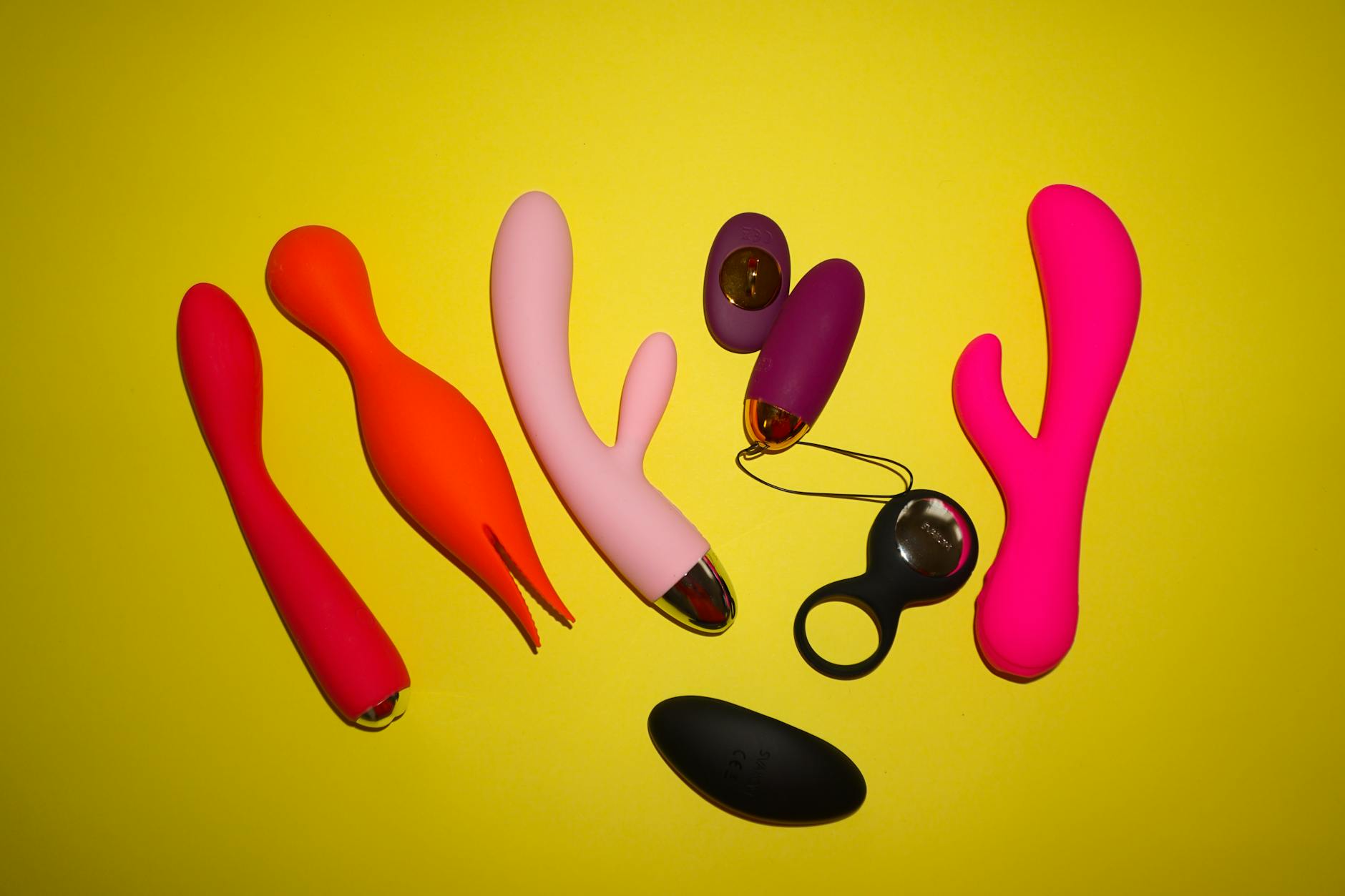
Lemon clitoral vibrators, particularly suction-based designs like those from Lem Nancy's, work with your nervous system during this transition instead of against it. Here's why and how.
What a hormonal IUD actually changes
Most people assume an IUD only affects the uterus. It doesn't. Hormonal IUDs release a small, steady dose of progestin directly into your bloodstream. This suppresses ovulation for some, thickens cervical mucus, and shifts your baseline dopamine and norepinephrine levels.
Translation: arousal takes longer to build. The clitoris is less sensitive in the first few weeks. Orgasms might feel distant or require more intensity. Some people describe it as "my body wants sex but my clit isn't getting the memo."
This is not a reflection of your desire or your capacity. It's a neurochemical adjustment period. Most people see sensitivity return to near-baseline by month four or five, but the first twelve weeks are legitimately disorienting.
Why traditional vibrators often feel wrong during this window
Here's the catch: many people reach for their old vibrator to solve the problem, and it backfires. A traditional vibrator with high-frequency buzz stimulates in a way that requires a clitoris that's already somewhat aroused and engaged. When you're in that post-IUD fog, traditional vibrators can feel either too intense on numb tissue (creating friction without pleasure) or too shallow (you chase sensation that isn't there).
That's where the difference between suction and vibration matters. Lemon vibrators work by creating a gentle suction pulse that stimulates the clitoral nerve bundle without direct friction. It's a different signal to your nervous system. Instead of "buzz harder," it's "wake up gently." For a nervous system that's been chemically quieted by an IUD, that difference is significant.
How lemon clitoral vibrators work with IUD adjustment
A lemon clitoral vibrator like the Lem uses air-suction technology to create rhythmic waves across the clitoral tissue. Unlike traditional vibrators, suction doesn't require your body to already be halfway to arousal. It works with sensation that's muted or delayed.
Three specific ways this helps:
1. Lower entry barrier to arousal. The suction sensation registers differently in the brain than buzz does. For someone whose dopamine signaling is suppressed by IUD hormones, suction-based stimulation often feels present and engaging when buzz feels like background noise. You're not fighting against numbness. You're working with a different arousal pathway.
2. Less risk of overstimulation. Suction patterns are gentler on tissue that's already sensitive from insertion and hormonal adjustment. With a lemon vibrator, you can start at pattern one (the gentlest pulse) and your clitoris gets a clear signal without pain or irritation. Many people find they can use suction devices for longer periods during IUD adjustment without discomfort.
3. Easier to locate your responsive zone. The suction sensation creates a clear sensory boundary around the clitoris. For people losing sensitivity post-IUD, this specificity helps your nervous system relearn where pleasure lives. You're not guessing whether you're in the right spot. The sensation tells you.
Timeline and what to expect
Weeks one to two: You might not use anything yet. Many people spend the first two weeks dealing with mild cramping or spotting. That's fine. Rest is appropriate.
Weeks three to six: Arousal is noticeably different. You might try a lemon vibrator around here, starting on the lowest setting. Pay attention to what feels engaging versus what feels numb. This is data, not failure.
Weeks six to twelve: Sensitivity gradually returns. If you've been using a lem vibrator, you'll notice you need less intense patterns. Your baseline is coming back online.
Months four to six: Most people report close-to-normal arousal patterns by this point. Some people keep using their lemon vibrator because they prefer suction to traditional vibration. That's completely normal.
The conversation you might need to have with a partner
If you're coupled, here's what I see in my practice: someone gets an IUD, their sensation shifts, and they don't tell their partner what's happening. The partner notices they're less responsive and assumes something's wrong with the relationship. The person with the IUD assumes their body is broken.
Separate those stories. Your IUD adjustment is a temporary neurochemical shift, not a relationship problem. Tell your partner explicitly: "My arousal is going to feel different for a few weeks. That's the IUD, not us." If you're using a lemon vibrator during solo exploration, mention that too. "I'm using this to help my body adjust" is so much simpler than silence and confusion.
Many couples find that exploring lemon vibrators together actually strengthens their connection during IUD adjustment. Suction feels novel and collaborative in a way that straight penetration doesn't during this phase. It's an opportunity, not a setback.
When to check in with your provider
Most sensation dulling from an IUD is temporary and resolves without intervention. But there are moments to reach out to your doctor:
If numbness hasn't improved by month four, mention it. Some people benefit from a brief dopamine-supporting supplement like L-tyrosine, though this is individual and should be discussed with your provider.
If sensation returns but you're experiencing pain during arousal or orgasm, that's worth flagging. Occasional cramping is normal in the first few weeks. Ongoing pain isn't.
If you had low libido before the IUD and the hormonal shift has made it worse, you might be a candidate for a copper IUD instead (which doesn't affect hormones). It's a conversation worth having.
Building back sensation intentionally
Here's what I recommend to people navigating this phase:
Start with exploration solo. Use a lemon vibrator or other suction device on the gentlest setting with no pressure to orgasm. The goal is sensation mapping, not climax. Notice where you feel the suction. Notice if some areas of your clitoris feel more responsive than others. This teaches your nervous system where pleasure is.
Build a routine around it. Many people find that using a lem vibrator for ten to fifteen minutes three or four times a week during the adjustment phase accelerates the sensitivity rebuild. Your nervous system responds well to consistent, gentle stimulation.
Invest in good lubricant. Water-based lube isn't just nice during IUD adjustment. It makes suction sensation clearer because there's less friction to distract your nervous system from the suction signal itself.
Be radically patient with yourself. The timeline for sensitivity to return varies. Some people are back to normal by week eight. Others take four months. Neither is wrong. Your body is adjusting to a new baseline. Trust the process.
FAQ
How soon after IUD insertion can I use a lemon vibrator?
Wait until the cramping from insertion has largely settled, usually week two or three. If you're still bleeding heavily or having significant pain, wait longer. Your body needs to stabilize after the insertion procedure before adding any stimulation. Once you're comfortable with light touch, a lemon vibrator on the gentlest setting is safe.
Will using a lemon vibrator affect my IUD placement?
No. Your IUD is placed in the uterus. External clitoral stimulation, even with suction devices, doesn't reach the uterus or affect placement. You cannot dislodge an IUD through clitoral stimulation. If you're concerned about this, ask your provider to clarify the insertion depth and position, and that anxiety will likely settle.
Can I use a lemon clitoral vibrator if I still have significant IUD cramping?
Not yet. Cramping means your uterus is still inflamed from insertion. Adding any stimulation could amplify discomfort. Wait until cramping is mild or gone. Most people can try around week three, but listen to your body. If touching your clitoris creates referred cramping in your uterus, stop and wait longer.
How does hormonal IUD adjustment differ from copper IUD?
Copper IUDs don't release hormones, so they don't create the dopamine dip that hormonal IUDs do. If you have a copper IUD, your sensation might feel slightly different due to the IUD's physical presence in your body, but you won't experience the neurochemical arousal shift. If you switched to hormonal after copper, you'd feel this difference clearly.
Is it normal that orgasms feel different after IUD insertion?
Completely normal, especially in the first three months. Orgasms might feel shallower, less intense, or harder to reach. Some people describe them as feeling "quieter." This is the progestin at work. As your body adjusts and your baseline dopamine stabilizes, orgasms typically feel closer to baseline. For some people, switching to suction-based devices like lemon vibrators actually makes orgasms feel more intense during the adjustment phase because suction engages different nerve pathways than traditional buzz.
What if I had low sensation even before my IUD?
If sensation was already muted before insertion, the IUD might have magnified that. This is a moment to explore what actually helps your nervous system wake up. A lemon vibrator might be that tool. So might dopamine-supporting practices like exercise, cold exposure, or targeted supplementation (with your provider's input). Some people find that the sensation work they do during IUD adjustment teaches them better ways to access pleasure overall.
The rebuild is temporary
Here's what matters: sensation loss after hormonal IUD insertion is temporary. It's not a side effect you're stuck with. It's an adjustment period, and it passes. Using the right tool during that period—like a lemon clitoral vibrator from Lem Nancy's—makes the transition gentler and faster.
Your pleasure matters. Your body's adaptation is real. And rebuilding sensation after an IUD is absolutely doable. Give yourself the same patience you'd give a friend going through the same thing. You deserve it.