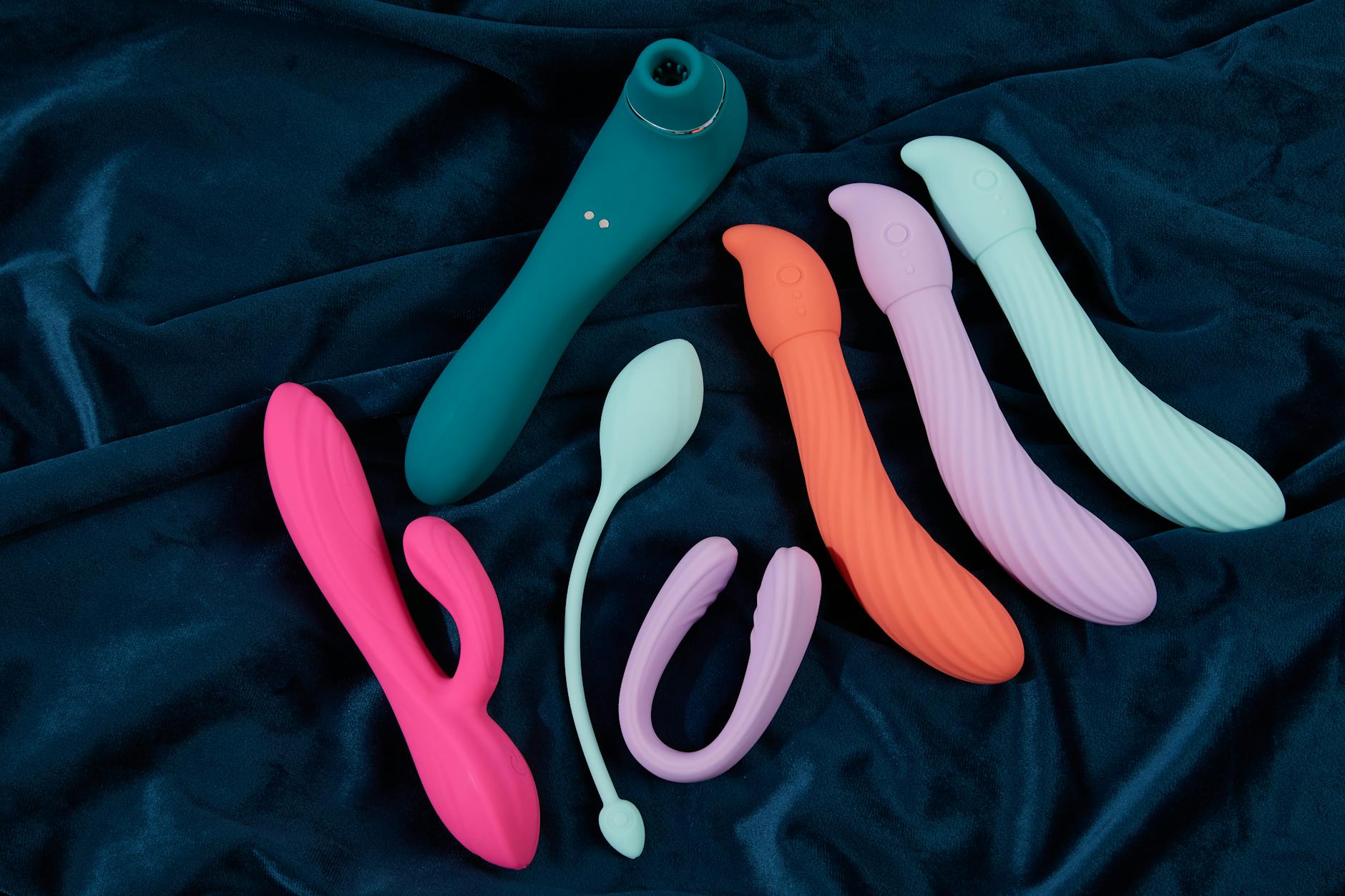
Let's name what we're talking about
Sexual trauma rewires your nervous system. It teaches your body that touch can mean danger, that vulnerability can lead to harm. Healing isn't about forgetting or "getting over it." It's about slowly, deliberately teaching your nervous system that pleasure is possible again, that your body can be a place of joy instead of fear. That's where lemon vibrators come in, not as a replacement for therapy, but as a tangible tool for solo reclamation.
I've worked with survivors for decades, and I can tell you this: the ones who heal best are the ones who take agency back in small, intentional ways. A lemon clitoral vibrator is one of those ways.
Why the body needs a different approach after trauma
When you've experienced sexual trauma, your threat-detection system gets stuck in overdrive. A touch that feels fine in other contexts might trigger the body into fight-or-flight mode during intimacy. Your nervous system is trying to protect you, which is its job. The problem is it doesn't always distinguish between actual danger and the ghost of old danger.
Traditional partnered sex often involves a loss of control, speed that the survivor didn't set, and a focus on pleasing someone else. All of that can feel triggering, even in a safe relationship.
Solo play with a tool like a lemon vibrator flips the script. You control the pace, the pressure, the duration. You can start and stop whenever you want. Your only job is listening to your own body, which is radical practice for many survivors.
What makes a clitoral vibrator different for trauma recovery
Lemon vibrators and other clitoral sucking tools work through pulsing air pressure rather than friction. That matters for healing bodies because it's gentler on the nervous system. The sensation is more diffuse, less intense, less likely to trigger a startle response.
The clitoris has thousands of nerve endings, and many survivors find that focusing pleasure exclusively on that area (rather than vaginal penetration or broad-body touch) feels safer. It's also the most reliable pathway to orgasm for people with vulvas generally, which means solo practice with lemon sexual toys builds confidence fast.
Here's another thing: the act of using a tool creates psychological distance. You're not merged with a partner's body. You're not losing track of where you end and someone else begins. That separation, for many survivors, is what makes the experience feel genuinely free.
Building the foundation: consent with yourself
Before you even buy a lemon clitoral vibrator, sit with this question: "Do I want this right now, or do I think I should want this?" There's a huge difference. Healing requires stopping whenever something doesn't feel right, which means you need to be able to hear your own no.
If you're not there yet, that's not a failure. It's information. Work with a trauma-informed therapist first. Build that foundation.
Once you're ready, here's the actual practice. Start with a few minutes of grounding. Name five things you can see, four things you can touch, three you can hear, two you can smell, one you can taste. This activates your parasympathetic nervous system (the part that knows you're safe now). Then, if you want to, bring the vibrator in.
The first few times: expect nothing
Many trauma survivors report that the first time using a lemon vibrator alone, nothing much happens. No orgasm, maybe no obvious pleasure. What you're actually doing in those sessions is building a new neural pathway that says "touch can be chosen by me, controlled by me, and safe." That's the win, not the orgasm.
Start on the lowest settings. You might use a lemon vibrator for ten minutes the first time and feel almost nothing. That's completely normal. Your nervous system is learning. Touch your vibrator while clothed if that helps. Some survivors need months of that before moving to direct contact.
Patience here isn't weakness. It's the speed at which your brain can actually rewire itself.
Weaving it into a relationship (if that's your path)
If you're in a committed partnership, using a clitoral vibrator alone can actually strengthen intimacy. Here's why. When you know how to pleasure yourself, when you've practiced being in your body without a partner, you bring that competence to partnered sex. You know what you like. You know you can advocate for it. You know you can stop it whenever you need to.
Many partners of survivors find that their person using a lemon vibrator independently is deeply relieving. It takes the pressure off them to be a healer or to fix something that isn't broken in the first place. And lemon adult toys can absolutely be incorporated into partnered play once you're ready, on your terms.
The key: start solo first. Master your own pleasure. Then decide what (if anything) you want to share with a partner.
When sensation feels dangerous: resensitization
Some survivors experience touch as physically painful even when they want to engage. This is called vulvodynia or vaginismus when it's a specific physical response, but emotional trauma can trigger it too. If that's you, the gentleness of a lemon sucker becomes even more relevant.
The protocol is simple: start with zero contact. Just look at the vibrator. Sit near it. Build familiarity. Then touch it with your hand. Let it buzz against your palm. Spend days or weeks there if you need to. Then, maybe, bring it close to your vulva without direct contact. This desensitization work rewires the association between touch and danger.
This isn't fast. It's also not a substitute for pelvic floor physical therapy or trauma-informed gynecology. But it's part of the toolkit.
The role of grounding and nervous system awareness
A lem vibrator is a tool. The real work is the nervous system practice that surrounds it. Before, during, and after, you're training your brain that this is safe. You're noticing where you hold tension. You're practicing staying present in your body.
Some survivors find it helpful to set up a ritual. A time of day, a specific room, maybe music or a candle. The predictability itself is healing. Your body knows what to expect. There are no surprises.
During, check in: Can I feel my feet? Am I holding my breath? Is my jaw clenched? These are signs your nervous system is activated. You can choose to pause, to breathe, to slow down. That choice, repeatedly exercised, is the real healing.
When to bring in professional support
A lemon vibrator is empowering, but it's not therapy. If you're struggling with intrusive thoughts, flashbacks, or a pervasive sense that your body belongs to someone else, that's the work of a trauma-informed therapist, ideally someone trained in modalities like EMDR or somatic experiencing.
Sex and intimacy issues after trauma often have deep roots. A vibrator helps you practice safety and pleasure, but it doesn't address the underlying patterns. Both matter.
The long view: pleasure as a practice
Healing from sexual trauma isn't about reaching some finish line where you're "fixed" and everything feels normal. It's about building a sustainable practice of reclaiming your body as a source of joy. Some days that's using a lemon clitoral vibrator. Some days it's just breathing. Some days it's saying no to sex you don't want and meaning it without guilt.
Clitoral vibrators are tools. Permission is what changes everything. Permission to go slow. Permission to feel nothing and call it progress. Permission to take your pleasure seriously, to spend time on it, to treat it as non-negotiable.
If you're starting this journey, know this: thousands of survivors have reclaimed intimacy. Your body's capacity for pleasure wasn't permanently damaged. It was just waiting for you to be ready to build a new relationship with it.
Common questions survivors ask
Will using a vibrator make my body dependent on it?
No. What actually happens is the reverse. Using a lemon clitoral vibrator teaches your nervous system and your brain what pleasure feels like. That knowledge carries forward. Many survivors find that partnered sex actually becomes easier after they've spent time alone with a vibrator, because they know they can orgasm, which reduces performance anxiety. The tool builds competence, not dependence.
How long before I feel pleasure again?
There's no timeline. For some survivors, the first solo session with a lemon vibrator brings relief in minutes. For others, it takes months of low-intensity, no-pressure practice before the nervous system trusts enough to produce pleasure. Both are normal. Trust the process, not the clock.
Is it okay to use a vibrator if I'm not ready for partnered sex yet?
Absolutely. Solo pleasure is actually the recommended starting point for many trauma survivors. You get to set the pace, the pressure, when it starts and stops. There's no performance involved. Some people spend a year or more healing in solo play before they're ready to include a partner. That's not a delay. That's wisdom.
Can my partner help me use a clitoral vibrator?
Eventually, yes. But start alone. Once you've built safety and competence by yourself, you can decide if you want to include a partner. Some survivors find that bringing a trusted partner into the practice (at their pace, under their direction) actually deepens both intimacy and healing. Others prefer to keep solo play private. There's no right answer.
What if I feel nothing, even after weeks?
Your nervous system might still be in protection mode, and that's okay. Keep going with the grounding practice. Some survivors benefit from working with a sex therapist who specializes in trauma alongside their vibrator practice. The combination of nervous system work plus a tool like a lemon vibrator often works better than either alone.
Is a lemon vibrator the only option?
No. Some survivors prefer wand vibrators, others prefer internal vibrators once they're ready. The key is finding what feels safe to you. A lemon clitoral vibrator is a good starting point because it's gentle and offers a lot of control. But your body might prefer something different. Trust that.
You deserve to feel good
Healing isn't linear. Some weeks you'll feel strong and curious. Other weeks you'll need to go slow. Both are part of the journey. A lemon vibrator sits waiting for whenever you're ready, without judgment, without pressure. It's just a tool that says: your pleasure matters, your pace is right, and your body can be trusted again.
If you have questions about navigating trauma recovery or need support building a pleasure practice that feels safe, reach out. We're here to help.