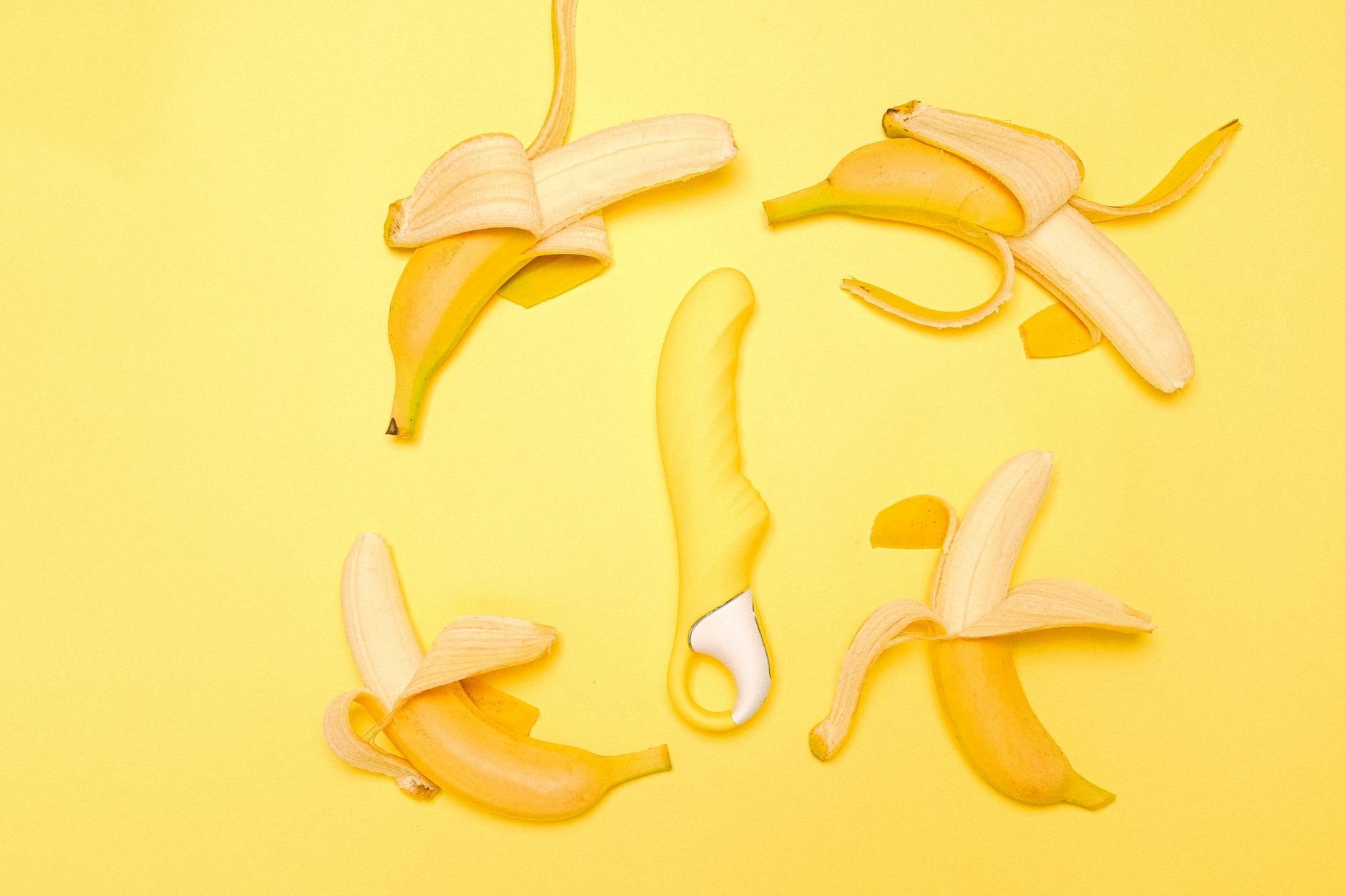
Hormonal shifts are real. So is your pleasure.
Your body doesn't stay the same. Estrogen fluctuates. Progesterone rises and falls. Testosterone changes. And yes, every one of those shifts touches how pleasure feels.
But here's the part no one explains well: hormonal changes alter sensation, not capacity. The clitoris doesn't lose its ability to feel good. It responds differently. And if you understand how, you can keep orgasms strong instead of chasing them.
What hormones actually control
Estrogen keeps clitoral tissue thick and sensitive. It supports blood flow. It helps the clitoris swell during arousal. When estrogen dips, that tissue thins slightly. Blood flow takes longer to build. The clitoral glans feels less cushioned and sometimes more raw against direct stimulation.
Progesterone doesn't directly affect sensation, but it affects arousal. High progesterone suppresses desire and makes orgasm harder to reach. That's not psychological. That's biochemistry.
Testosterone drives the electrical impulse of wanting someone. When testosterone drops, desire often softens first. But wanting and feeling are different. You can feel incredible and want less. Or want everything and feel muted. Hormones create mismatches.
The pelvic floor also depends on estrogen. Without it, those muscles lose tone and tightness. Orgasms can feel less concentrated, less building. Some people say they lose depth. Others say they become more dispersed, almost floating.
None of this means you stop having pleasure. It means pleasure rewires.
Why suction-based lemon vibrators work differently across cycles
A lemon clitoral vibrator uses suction and gentle pulsing instead of direct vibration. This matters during hormonal transitions because suction doesn't rely on the same tissue thickness that vibration does.
When tissue is thick and well-cushioned, a lemon vibrator (or any clitoral vibrator) creates a perfect seal and draws sensation inward. The stimulation feels internal and building. When tissue thins, the same seal still works, but the sensation becomes sharper and more concentrated on the nerve clusters themselves.
For people in early perimenopause or experiencing hormonal birth control dips, that shift usually feels intense in a good way. The sensation becomes more precise. High-intensity patterns on a lemon sucker can feel almost too sharp, so dropping to pattern 1 or 2 and building up slowly becomes the new rhythm.
As estrogen drops further, the suction mechanism becomes even more valuable because it doesn't create friction. Friction on thinner tissue can feel raw or irritating. Suction creates negative pressure instead. It's gentler and often more pleasurable when tissue is delicate.
The surprising advantage of hormonal transitions
Here's what I see in my practice: people often report stronger, faster orgasms during lower-estrogen phases using a lemon vibrator or similar clitoral toy.
Why? Two reasons.
First, when tissue is thinned, the clitoris has less padding. That means stimulation reaches the nerve clusters faster. Orgasms that took eight minutes to build might take five. That's not loss. That's efficiency.
Second, when you're aware of the shift, you stop fighting it. You lean into shorter warm-up times. You use a lemon clitoral vibrator differently. You give yourself permission to say "my body needs this intensity level right now," and that acceptance removes friction. Literally.
Practical adjustments across the cycle
If you menstruate or experience hormonal fluctuations, your clitoral sensitivity isn't constant. Here's how to stay responsive:
High-estrogen phases (typically days 1-14 of a 28-day cycle, or while on hormonal birth control): Tissue is thick. Suction feels fuller. You can tolerate higher intensity patterns on a lemon vibrator. Start where you usually do. Go higher if you want.
Ovulation (days 12-16): Estrogen peaks then drops sharply. Arousal peaks too. This is often the sweet spot. Sensation is acute. Orgasms come fast. Your regular lemon vibrator feels different because you've changed, not because it has.
High-progesterone phase (days 16-28): Progesterone is high. Desire is lower. Tissue is thinner again. This is when dropping to lower intensity patterns helps. Suction-based stimulation (like a lemon vibrator) often feels better than traditional vibration here because gentleness becomes the advantage.
Post-menopause or during sustained hormonal dips: Tissue stays thinner. You're not chasing a moving target anymore. This is actually easier. You learn your new baseline and stay there. Most people find a lemon vibrator becomes their most reliable tool because suction doesn't punish delicate tissue.
What changes and what doesn't
Your clitoris has roughly 8,000 nerve endings. Hormones don't reduce that number. They change blood flow and tissue thickness and the chemicals in your nervous system. The wiring stays the same.
Orgasms don't disappear. They redistribute. They might feel less in the uterus and more in the clitoris itself. They might build differently. Some people say they become more localized. Others say they spread differently across the body. Weirdly, some people have the best orgasms of their lives after menopause because the pressure to perform or conceive is gone.
Desire can shift. That's real. But desire and sensation are different channels. You can feel incredible with low desire. You can feel muted with high desire. Neither one means you've broken.
Sensitivity can increase (not decrease as expected). Thinner tissue sometimes means sharper sensation. Lemon vibrators work beautifully here because they don't add friction. They add precision.
When to consider other tools or approaches
If a lemon clitoral vibrator stops working entirely, don't assume it's you. First, check the battery. Then check your baseline.
If arousal feels completely absent and isn't returning, it's worth talking to a doctor. Low testosterone is real and treatable. Thyroid issues kill desire. Depression mutes sensation. Sometimes the problem isn't hormonal. It's medical.
If sensation has changed but desire is there, usually it's just adaptation. Keep using your lemon vibrator. Drop the intensity. Add lube. Extend your warm-up time. Most people need maybe two weeks to recalibrate to a new hormonal baseline.
If pain appears, stop. Genitourinary syndrome (the medical term for hormonal-driven tissue thinning that causes discomfort) is treatable with topical estrogen. It's not something to white-knuckle through with the wrong toy.
The bigger picture
Hormonal transitions are not a loss of sexuality. They're a recalibration. Your body is rewriting the instruction manual for pleasure, and you get to decide whether you follow along.
A lemon clitoral vibrator is built for this kind of transition because it doesn't depend on thick, well-cushioned tissue. It works with the tissue you have. The sensation sharpens. The response quickens. That's not a downgrade. That's adaptation.
The people I work with who navigate hormonal changes most smoothly aren't the ones who pretend nothing changed. They're the ones who say: "Okay, so this is different now. What do I do with that?" And they find that pleasure can be every bit as strong on the other side. Sometimes stronger.
FAQ: Hormonal shifts and lemon vibrators
Do lemon vibrators feel different during different times of my cycle?
Yes. Tissue thickness, blood flow, and arousal all fluctuate. That means a lemon vibrator might feel fuller and deeper during high-estrogen phases and sharper and faster during lower-estrogen phases. Neither is better. They're just different. If the change bothers you, staying aware of where you are in your cycle helps you adjust expectations.
Can hormonal birth control affect how my lemon vibrator feels?
Completely. Hormonal birth control stabilizes hormones artificially. Many people find sensation is more consistent month to month. Others find that their baseline shifts. Some clitoral vibrators (including lemon vibrators) feel less intense overall on hormonal birth control. That's not the vibrator. That's the pill or patch. Talk to your doctor if sensation has changed since starting birth control. Sometimes adjusting the dose or switching methods helps.
What if my lemon clitoral vibrator stopped working for me after menopause?
First, check the battery. Then consider whether sensation has actually changed or whether you're using the toy the same way you used to. After menopause, lower intensity patterns often feel better. Longer warm-up time helps. Lubricant becomes more important. If you've adjusted all three and nothing clicks, it might be worth trying a different intensity level or pattern. If sensation is completely numb, see a doctor. That's sometimes a sign of something beyond hormones.
Is it normal for orgasms to feel different during hormonal transitions?
Completely normal. Orgasms might feel shorter, longer, more intense, less intense, more localized, or more dispersed. All of this is hormonal. None of it means you've lost the capacity. Your nervous system is responding to a changing chemical environment. Expect the shift. Your lemon vibrator will adapt with you.
Why does my lemon sucker feel intense all of a sudden?
Likely because your estrogen dropped and tissue thinned. Thinner tissue means stimulation reaches nerves faster. Suction-based vibrators become sharper because there's less padding between the tool and the nerve clusters. This isn't a malfunction. It's your body changing. Drop to a lower intensity pattern for a few days and see if that feels better. You might just need to recalibrate.
Can I use the same lemon vibrator throughout my cycle or do I need different ones?
One lemon clitoral vibrator is enough. You don't need multiple tools. You just need to adjust how you use it. Lower intensity during high-progesterone or low-estrogen phases. Higher intensity when sensation feels muted. Longer warm-up time across the board as you age. The tool stays the same. Your approach shifts.
The bottom line
Your body changes. That's not a failure. It's a fact. Hormonal transitions don't end pleasure. They reshape it. Understanding what's happening biochemically takes away the mystery and the shame. A lemon vibrator is designed to work with your body as it is right now, not as it used to be. That's the whole point. If you're noticing shifts in how pleasure feels, that's your cue to pay attention and adjust. Not to give up.
If you're navigating a significant hormonal transition and want to talk through what's changing and why, I'm here to help. Reach out at /contact and let's figure out what your body needs right now.
Your pleasure matters at every phase. And it's worth paying attention to.