Let's talk about vulvodynia and why most advice gets it wrong
Vulvodynia is chronic pain in the vulva with no visible cause. Touch that shouldn't hurt does. Penetration feels like razors. Sitting can trigger pain that lasts for hours. And then someone tells you to "just relax" or "get over it," as if your nervous system is being dramatic instead of doing its job.
Here's the thing: your nervous system isn't broken. It's in protection mode. And that matters because it changes how pleasure becomes possible again.
The nervous system piece nobody explains
Vulvodynia involves central sensitization. That's neuroscience speak for "your nervous system learned that this area is dangerous and turned up the volume on pain signals." Your brain isn't lying. The pain is real. But the danger isn't actually there.
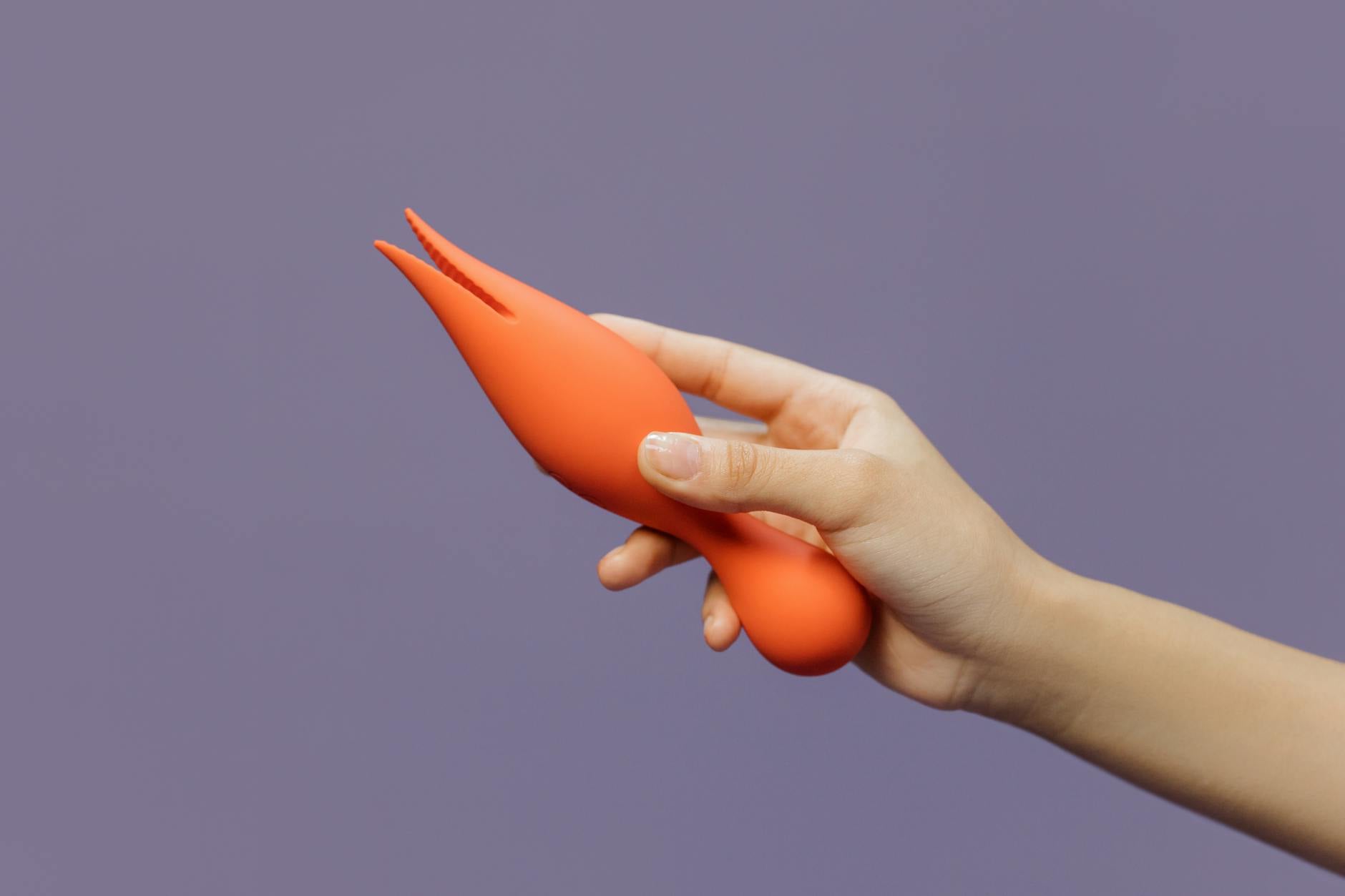
This matters for pleasure because pain and pleasure travel the same neural pathways. They can compete, or they can integrate. Most traditional vibrators compete. They send strong, direct signals that your nervous system might interpret as threat. Lemon clitoral vibrators work differently.
Instead of focused vibration, they use gentle suction and rhythmic pulsing. This delivers stimulation without the sharp, high-intensity input that can trigger pain responses. You're not fighting your nervous system. You're speaking its language.
Why lemon vibrators feel different when you have vulvodynia
Three mechanical reasons:
Graduated intensity. The suction on a lemon clitoral vibrator starts soft and can build gradually. You control the pace. There's no jarring buzz that might startle your system into protection mode.
Broader surface contact. Wand vibrators concentrate stimulation on a single point. That concentration can feel like pressure or pinching if your tissues are already sensitized. Lemon vibrators distribute the sensation across a wider area, which your nervous system reads as less threatening.
Rhythmic pulsing instead of constant vibration. Some people with vulvodynia find that steady vibration becomes uncomfortable quickly. Rhythmic patterns allow micro-breaks. Your nervous system can pause and reset, which prevents the spiral into pain.
None of this means you're "broken" or that pleasure is off the table. It means you need a tool that matches how your nervous system is currently organized.
How to start if you've avoided touch because of pain
Three months without sexual touch is normal after vulvodynia diagnosis. So is a year. So is being terrified of trying again. That fear is rational.
If you want to explore pleasure again, here's the evidence-based sequence:
Week one: Exploration only, no pressure for sensation. Hold the lemon vibrator in your hand. Run it on your inner thigh, your lower belly, your chest. Let your nervous system recognize it as safe. Don't even turn it on. This trains your brain that the object isn't dangerous.
Week two: Low-intensity pulsing on external areas. Turn it to pattern one or two on areas far from your vulva first. Your forearm, your neck, your collarbone. Feel what the sensation is like at low intensity. No agenda. Just data gathering.
Week three: If you're ready, very gentle external vulvar contact. Labia majora only. Not the clitoris yet. Pulsing level one. Thirty seconds. Stop before it feels like anything. This teaches your nervous system that touch there doesn't have to mean pain.
Week four and beyond: Slow increments. Most people find that consistency matters more than duration. Five minutes three times a week rebuilds pleasure tolerance better than thirty minutes once. Your nervous system needs repetition to learn that this is safe.
If at any point something triggers pain, stop immediately. Write down what happened. The goal isn't to push through. It's to expand your window of tolerance gradually.
The partner conversation that changes everything
If you have a partner, they probably feel confused and guilty. They might be worried that touch will hurt you. They might have internalized rejection and stopped initiating anything sexual, even things you might actually want.
The thing is, you need your partner to understand that this is a nervous system retraining, not a relationship fix. It's not about them being better or more gentle. It's about your body learning that pleasure is available again.
Tell them: "I'm working on rebuilding pleasure with a tool designed for this. If that goes well, I might want your touch involved eventually. But right now I need to do this alone so I can hear what my body is actually telling me."
Partners who understand this can stop apologizing and start supporting. That shift alone changes the emotional landscape.
When to loop in your doctor
If you haven't been diagnosed by a vulvovaginal specialist, start there. Vulvodynia gets mixed up with vestibulodynia, atrophic vaginitis, dermatological issues, and pelvic floor dysfunction. They're treated completely differently.
Once you have a diagnosis, ask your doctor about pelvic floor physical therapy if you haven't tried it. Many people with vulvodynia also have pelvic floor tension (your muscles are guarding against pain). PT addresses both the nervous system piece and the muscular piece.
Some vulvologists recommend low-dose topical hormones, nerve pain medications like gabapentin, or nerve blocks. None of these contradict using a lemon vibrator. They often work better together.
The timeline reality
Rebuild takes time. I've worked with clients who felt measurable pleasure improvement in four weeks and others who needed six months. There's no standard. Your nervous system doesn't operate on anyone else's schedule.
What usually happens is this: the pain doesn't disappear completely, but it becomes less reflexive. You touch yourself and your brain doesn't automatically go to threat. You feel something that resembles pleasure for the first time in years. It might last five seconds. That's still victory.
From there, you can usually expand. Longer sessions. Different patterns. Maybe a partner's touch, eventually. But it starts with your nervous system learning that pleasure is possible in that geography again.
Vulvodynia isn't a life sentence of numbness. It's a nervous system in protection mode. The right tools help you negotiate with it.
People also ask
Can I use a lemon vibrator if penetration is what causes my vulvodynia pain?
Yes. Lemon clitoral vibrators don't involve penetration, so they bypass the mechanism that typically triggers your pain response. Many people with provoked vulvodynia (pain during or after penetration) find that external clitoral stimulation with a lemon vibrator is completely safe. You're working with the parts of your nervous system that can feel pleasure without the parts that are in protection mode.
How long does it take before vulvodynia pain actually decreases?
Nervous system retraining isn't linear. Some people notice reduced pain reactivity within two to three weeks of consistent, gentle stimulation. Others need six to eight weeks before the pain starts to feel less automatic. The key is consistency, not intensity. Using a lemon vibrator twice a week for two months usually shows measurable changes before using it aggressively once a month does.
What if touch with the lemon vibrator still triggers pain?
That's information, not failure. Pain during gentle stimulation tells you either that you're moving faster than your nervous system is ready for, or that there's something else happening (pelvic floor tension, a localized dermatological issue, medication side effects). Slow down, consult your vulvovaginal specialist, and consider pelvic floor physical therapy. Sometimes the solution isn't a different toy. It's addressing what's underneath the pain response.
Can I use lube with a lemon clitoral vibrator if I have vulvodynia?
Absolutely. In fact, many people with vulvodynia find that lube makes the experience significantly more comfortable. Water-based lube is safest with silicone toys. Some people with chemical sensitivities prefer hypoallergenic options like Sliquid Natural or Astroglide Naturally Inspired. Lube reduces friction without adding intensity, which is exactly what a sensitized nervous system usually needs.
Does using a lemon vibrator for vulvodynia mean I'll eventually be able to have penetrative sex again?
Maybe. Some people regain full pain-free penetration. Others find that clitoral pleasure is available again, but penetration remains uncomfortable, and they're okay with that. Your goal isn't to "fix" yourself back to some previous version. It's to expand your capacity for pleasure in the ways that feel good to your body now. A lemon vibrator can help rebuild that. What comes next is up to you.
Is it normal to feel nothing when I first use a lemon vibrator if I have vulvodynia?
Completely normal. After months of pain, your nervous system might not recognize pleasure signals at all. Numbness is actually a protection mechanism. As you use the vibrator consistently at low intensity, sensation usually returns gradually. You might feel a tiny tingle before you feel pleasure. You might feel neutral before you feel good. That progression is exactly right. Don't rush it.
What's next
Vulvodynia and pleasure aren't mutually exclusive. Your nervous system can learn that the vulva is a source of good feeling again, not just danger. It takes patience, the right tool, and usually professional support. But it's possible.
If you want to talk through your specific situation, whether it's about tool selection, nervous system retraining, or how to navigate this with a partner, reach out. That's what we're here for.