The gap between then and now
You haven't touched in eighteen months. Or maybe it's been three years. The reasons don't matter right now. What matters is that you're back together and your bodies feel like strangers.
This is one of the most common scenarios I see in my practice. The emotional reconnection often happens first. You remember why you love this person. And then comes the physical part, which feels impossibly awkward. Your nervous system has reset. Touch that used to feel automatic now requires negotiation. Desire doesn't just appear on schedule.
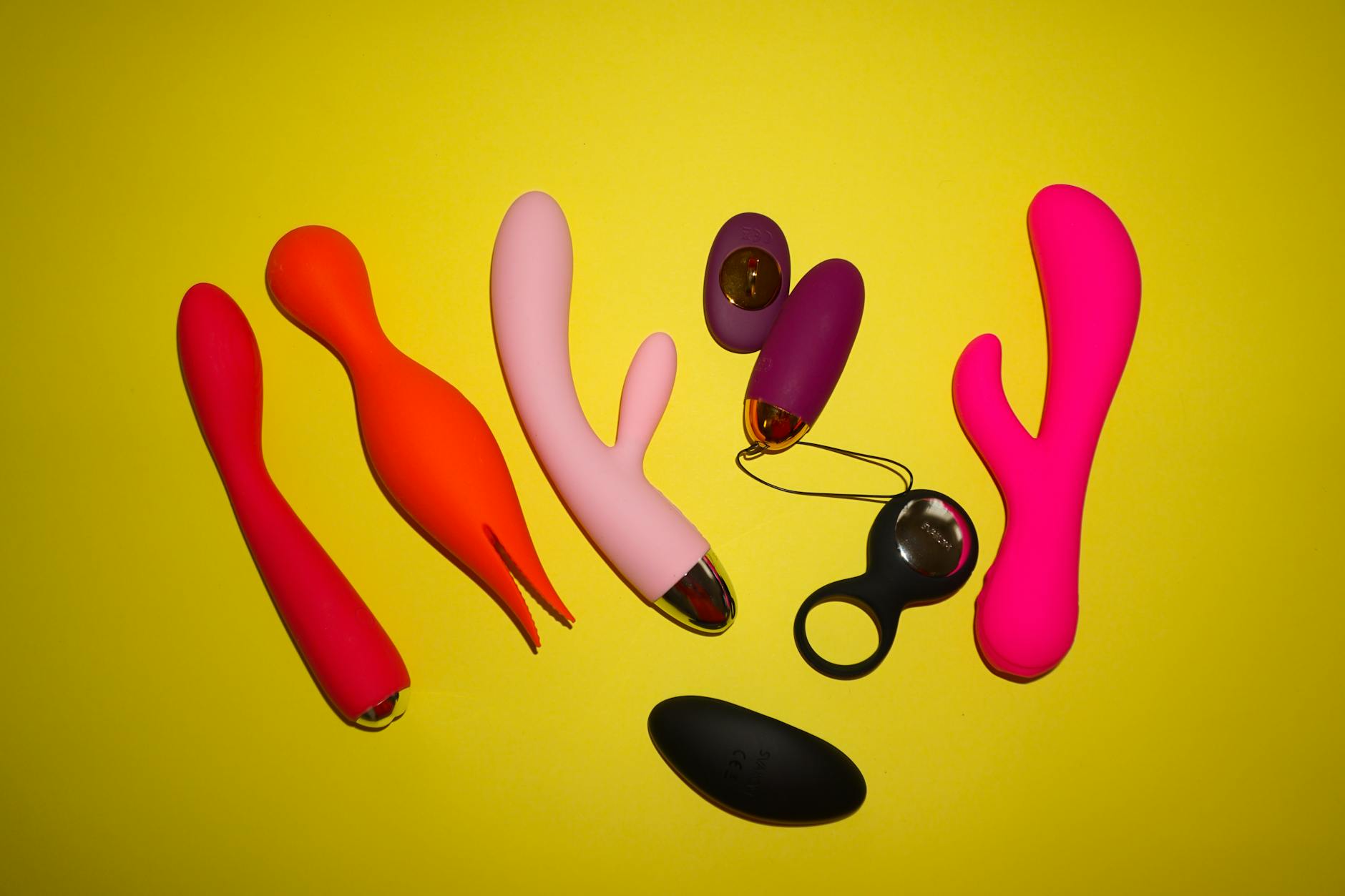
Lemon vibrators, particularly clitoral toys like the Lem vibrator, become something unexpected in this moment: not a substitute for your partner, but a translator. A way to wake up sensation before you're asked to share it.
Why extended breaks change the body's response
When physical intimacy stops for months or years, several things happen neurologically and physiologically. Your body doesn't forget arousal, but the neural pathways that light up during sexual response become quieter. It's like a muscle that hasn't been used. It still works. It just needs reintroduction.
Partners who have been apart for a long time often report that their bodies respond more slowly to touch. Arousal takes longer to build. Orgasm feels distant or requires more stimulation than it used to. This isn't a sign that the relationship is broken. It's completely normal, and it's temporary.
The second piece is psychological. There's often anxiety underneath. Will I remember how to do this? Will my partner still find me attractive? What if I can't orgasm? That anxiety tightens the pelvic floor, which makes sensation harder to access, which increases the anxiety. It's a feedback loop.
How solo pleasure resets the baseline
Here's the part that changes everything: if you spend two or three weeks reconnecting with your own arousal pattern before bringing your partner back into that space, the transition into partnered intimacy becomes radically easier.
When I work with clients rebuilding after extended breaks, I recommend starting with solo exploration. A lemon clitoral vibrator is perfect for this because it's gentle enough to feel good without requiring a lot of pressure. The suction-based stimulation of tools like the Lem works differently from traditional vibration. It stimulates without friction, which means less pressure, less numbness, and faster arousal activation.
Using a lemon sexual toy on your own for a few weeks does three things. First, it reminds your nervous system what arousal feels like. Second, it rebuilds the actual neural connections that support sexual response. Third, it gives you back your own pleasure before you're asked to negotiate it with someone else.
That last part is crucial. When you've reclaimed your own desire, walking that into a partnered dynamic feels like sharing something real rather than performing something you think you should feel.
The partner piece: how lemon vibrators improve shared intimacy
Once you've spent time with your own body and your own pleasure, bringing a clitoral vibrator into partnered time is straightforward. You already know how it feels. You already know what intensity you like. Now you're just inviting your partner to be part of that pleasure.
Many couples who have been apart find that using a lemon vibrator together actually reduces performance pressure. Instead of both partners being focused on whether penetration will work or whether orgasm will happen, the focus is on sensation and connection. The toy becomes something you explore together, not a band-aid for a relationship problem.
Partners often tell me that using a vibrator during reconnection actually speeds up their own arousal too. Watching a partner experience pleasure is arousing for most people. And the physicality of partnered toy use—one person holding the vibrator while the other guides it, for instance—creates a different kind of intimacy than traditional sex. It's slower. It requires more communication. It reintroduces touch without the pressure of performance.
Building back to intercourse (if that's what you want)
Not every couple wants to return to penetrative sex. Some discover they prefer other kinds of touch. That's fine. But for couples who do want to rebuild that part of their connection, using a lemon clitoral vibrator as a warm-up tool is smart.
The reason is simple. If arousal is already building before penetration begins, everything feels better. The body is naturally lubricated. The pelvic floor is relaxed. There's less chance of pain or numbness. Sensation is heightened. What might have felt difficult or disappointing becomes genuinely pleasurable.
I recommend ten to fifteen minutes with a lemon vibrator before attempting penetration when you're first reconnecting. Not as a substitute, but as a primer. Your body will thank you.
The emotional layer: what this actually means
When couples use lemon clitoral vibrators together after time apart, they're not just solving a physical problem. They're having a conversation with their bodies. They're saying: your pleasure matters. We're going to take time with this. We're going to do it right.
That frame makes a huge difference. So many couples feel rushed back into sex after reconnection. They feel like if they don't jump back into things immediately, something is wrong. But the opposite is actually true. Couples who deliberately, slowly rebuild physical intimacy report stronger connections afterward. They've proven to each other that the relationship is worth slowing down for.
Using a clitoral vibrator together also removes the performance pressure that often sabotages reconnecting couples. Nobody is being judged. Nobody is failing. You're both just paying attention to sensation.
Practical steps for getting started
If this describes your situation, here's what I recommend. Start solo. Give yourself two to three weeks of solo exploration with a lemon clitoral vibrator. Learn your body's rhythm. Notice what intensity feels good. Let yourself experience orgasm a few times without anyone watching or waiting.
Then, when you're ready, invite your partner into that space. Start clothed. Introduce the toy while you're both present, but maybe not during sex. Use it together while you're kissing or touching. Let it feel playful. Don't put pressure on it to be part of orgasm yet. Just let it be part of touch.
After a few times in that context, it will feel normal. Then you can weave it into partnered sex if you want to. But you'll do it from a place of knowing your own pleasure, not from a place of anxiety.
When to bring in professional support
If you've been apart for a very long time, or if the break followed conflict or betrayal, it's worth getting some couples support alongside the physical reconnection. A lemon vibrator is a brilliant tool for rebuilding arousal. It's not a substitute for addressing the emotional pieces of rebuilding trust and safety.
A therapist who specializes in couples work can help you rebuild communication and safety while you're also rebuilding physical connection. The two happen in parallel. They support each other.
The bottom line
Extended breaks don't end relationships. They pause them. And pauses can actually be valuable. They give you a chance to step back, to miss each other, and to rebuild from a more intentional place. Using tools like lemon clitoral vibrators during that reconnection makes the physical part easier, more pleasurable, and genuinely connected. You deserve that. Both of you do.
People also ask
How long does it usually take to rebuild sexual desire after a long break?
This varies widely, but in my experience, most couples notice a significant shift within two to three weeks of intentional reconnection. If you're spending time together regularly, using tools like lemon sexual toys to rebuild arousal, and creating space for pleasure without pressure, you'll usually feel the shift pretty quickly. Some couples take longer. That's normal too. Don't compare your timeline to anyone else's.
Can a lemon vibrator help if I'm afraid of intimacy after time apart?
Absolutely. Fear often comes from uncertainty about how your body will respond. A lemon clitoral vibrator gives you a chance to prove to yourself that arousal is still available to you. Once you've experienced that solo, the fear of partnered intimacy usually decreases significantly. That said, if your fear feels really intense, pairing vibrator use with talk therapy can be helpful.
Is it weird to use a vibrator together if we've never done that before?
Not at all. Many couples first introduce vibrators during reconnection periods because there's already permission in the room. You're both acknowledging that this is a restart. A lemon vibrator becomes part of that restart conversation. Start by talking about it when you're not in an intimate moment. "I've been thinking we could try using a vibrator together when we reconnect." Most partners find it a relief. It removes some of the pressure.
What if my partner and I have different timelines for reconnecting physically?
This is really common. One person might be ready for physical connection sooner than the other. Solo exploration with a lemon vibrator actually helps with this. The person who's ready can reclaim their own pleasure independently. The other person doesn't feel pressured. And when they do feel ready, the dynamic is already positive because pleasure has been reestablished as a solo experience first.
After we reconnect, will things go back to how they were before the break?
Honestly, no. And that's not a bad thing. You've both changed. Your bodies have changed. Your relationship has changed. The second chapter of physical intimacy with a partner after a break is usually different from the first chapter, and often it's deeper. You're more intentional. You know each other's bodies differently. You're more communicative. Lemon clitoral vibrators become part of that newer, often richer dynamic.
Should we see a couples therapist alongside rebuilding physical intimacy?
If the break was simply because of circumstances (long distance, work, travel), probably not necessary. If the break followed conflict, betrayal, or trauma, then yes. Working with a therapist while you're also rebuilding physical connection can accelerate the whole process. And you'll have professional guidance on how to communicate about what you're experiencing. That makes reconnection safer and more meaningful.
References
Johnson, S. M. (2019). Attachment theory in practice: Emotionally focused therapy (EFT) with individuals, couples, and families. Guilford Press.
Gottman, J. M., & Silver, N. (2015). The seven principles for making marriage work. Harmony.
Perel, E. (2018). Mating in captivity: Unlocking erotic intelligence. Harper Perennial.
Brotto, L. A. (2010). The DSM diagnostic criteria for hypoactive sexual desire disorder in women. Archives of Sexual Behavior, 39(2), 221-239.