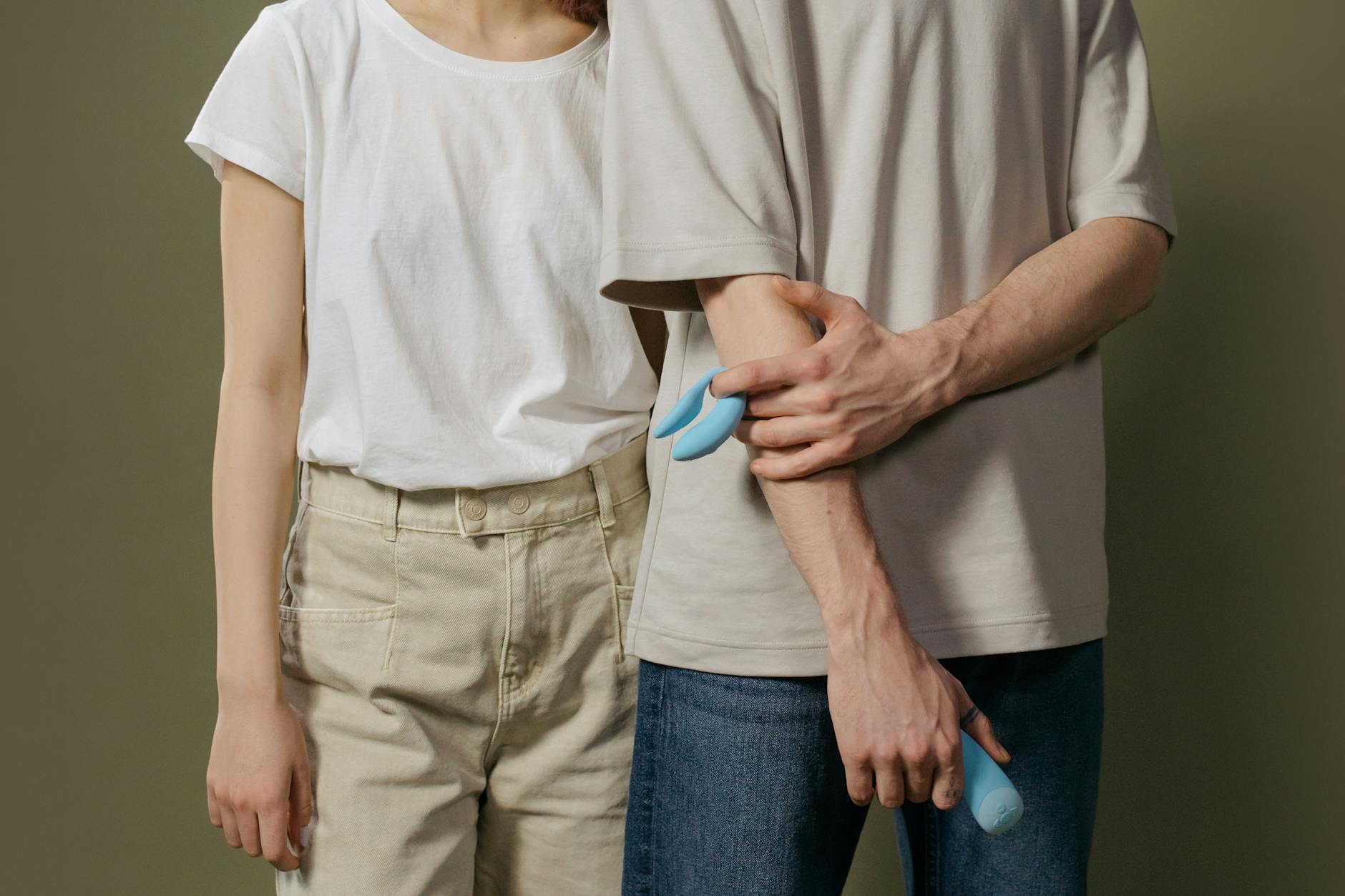
Not every orgasm needs the same approach
Honestly? Most people buy a vibrator and just hit the highest setting. Which works. But it's like owning a Ferrari and only driving in second gear. Your lemon vibrator has multiple patterns and intensity levels for a reason: different sensations create different orgasm types, and once you understand the map, you can navigate toward exactly what you want.
I've worked with clients who thought they only had access to one kind of orgasm until they started experimenting with pattern and tempo. The shift changes everything.
Understanding your lemon vibrator's range
Most quality lemon clitoral vibrators come with 3 to 7 intensity levels and anywhere from 5 to 12 distinct patterns. The intensity controls the power; the pattern controls the rhythm. Think of intensity as volume and pattern as the song. You need both variables working together.
The lemon vibrator's design is particularly responsive because the suction-style stimulation doesn't rely on brute force the way traditional bullet vibrators do. That means lower intensity levels often feel richer than they do with other toys. Start lower than you think you need to. You can always climb.
Pattern selection matters more than most people realize. A steady buzz at medium intensity feels completely different from a pulsing rhythm at the same power level. One builds slowly; the other teases. One type of orgasm needs the build. The other needs the tease.
The climbing wave orgasm
This is the long, building type. You feel arousal ramping steadily, each moment more intense than the last, until you crest. The orgasm itself is usually deep and full-body.
For this, start at intensity level 2 or 3 with a continuous steady pattern. Keep it consistent for 10 to 15 minutes. The key is not turning it up mid-way. Resist that urge. Let the steady stimulation build the wave naturally. Many people interrupt this by chasing more power just as the peak starts forming. Hold steady. The release is worth the patience.
If your lemon vibrator has a gentle pulsing option, that works beautifully too. The rhythm mimics your own arousal's natural crescendo.
The sharp peak orgasm
Some people want fast, intense, concentrated. Peak comes quick and lands hard. This is the opposite of the wave.
Jump to intensity 6 or 7 with a pattern that's got rhythm and variation. Many people find that faster patterns, or patterns with sharp on-off cycles, trigger this response. Don't warm up for 20 minutes. Two to four minutes of direct stimulation at this intensity is usually enough. Your body recognizes the signal and responds quickly.
The sharp peak suits moments when you want efficiency and certainty, or when you're solo and have limited time, or when you're with a partner and want something playful and brief.
The rolling multiples experience
Rolling multiples are waves that don't fully resolve. You crest, drop slightly, crest again. Some people report three, four, or five in quick succession.
This needs a medium intensity (4 to 5) paired with a pattern that has regular pulses or waves built in. Start just below the point where a single orgasm would happen, and keep the stimulation steady. As the first one peaks, resist the urge to back off. Many people think backing off prevents oversensitivity, but often it just resets the clock. Stay with it through the first peak, and the second usually follows within seconds.
If your lemon vibrator has a pattern that mimics breath or heartbeat, try that. The rhythm helps your body know what to expect and surrender into it.
The deep resonant orgasm
Some orgasms feel like they're happening from the inside out. They're quieter, less explosive, but feel profound. They often involve the whole pelvic floor, not just the clitoris.
For this, pair a lower intensity (2 to 4) with a slow, deep pulsing pattern. This isn't about speed. It's about consistency and depth. Ten to 15 minutes is common. Many people find this type of orgasm feels meditative. It pairs well with breathwork. As you build, try breathing in longer cycles and syncing the toy's rhythm to your exhales.
This is also the setting where how to use a lemon vibrator for sensitivity building after pelvic floor tension becomes particularly relevant. The gentle, sustained pressure teaches your pelvic floor to relax into pleasure rather than clench toward it.
The blended orgasm
Some anatomy benefits from combined clitoral and internal stimulation. While the lemon clitoral vibrator is designed for external clitoral focus, many people use it alongside internal pressure from fingers, a partner, or another toy.
For blended sensations, you often want steady and moderate. Intensity 4 to 5, continuous pattern or gentle pulse. The internal stimulation is doing part of the work, so the vibrator doesn't need to carry the whole load. Lower settings actually make it easier to coordinate sensation from two sources.
This is also where how to use lemon vibrators with partners who prefer gentler stimulation offers practical guidance. Partners coordinating sensation need predictable, repeatable patterns, which means avoiding the erratic settings and favoring the rhythmic ones.
The quickie orgasm
Sometimes you want five minutes, start to finish. Or less.
Intensity 7, a strong pulsing or wave pattern, two to four minutes. This is direct, efficient, and effective. There's no shame in this. Sometimes pleasure isn't about journeying. It's about releasing.
If you're combining with a partner, this intensity level also works well for mutual pleasure without requiring a long lead-up from either person.
Pattern switching mid-session
One underused technique: switching patterns once you've already started building. Many lemon vibrator users set a pattern and lock into it. But if you change patterns at the moment of peak, you often extend or deepen the orgasm itself.
Try this: build at intensity 5 with a steady pattern for 10 minutes. Right as you feel the orgasm starting, shift to a faster pulsing pattern at the same intensity. Many people find the novelty and the change pushes them over in a slightly different way than the original pattern alone.
Experiment carefully. Not every body likes novelty at the critical moment. Some people need consistency to cross the finish line. But if your body responds to variety, this is a game changer.
Lubricant and how it changes sensation
Water-based lubricant changes how patterns feel. A toy at intensity 5 feels different on dry skin than it does with lube. The lube creates a glide layer that softens the sensation slightly and makes some patterns feel more blended together.
If you're chasing a sharp peak, you might skip lube or use very little. If you're after rolling multiples or deep resonance, lube often helps the body stay engaged and relaxed. There's no rule. Just notice the difference and adjust your intensity and pattern accordingly.
Sensitivity tracking over time
Your sensitivity changes day to day based on hormones, stress, hydration, sleep, and what else is happening in your body and life. A pattern that felt perfect last week might feel too much this week. This is completely normal.
Instead of fighting it, adjust. If intensity 6 feels overwhelming, dial back to 5. If a pattern that usually builds your arousal feels flat, try shifting to something with more rhythm. Your lemon vibrator's range exists so you can meet yourself where you actually are, not where you think you should be.
Many of my clients track which settings worked best on which days. Not obsessively. Just a quick note. Over a few weeks, patterns emerge. You'll learn that you need gentler settings the week before your period, or that a certain intensity level pairs better with morning versus evening.
When nothing's working
If you've tried every pattern and intensity and nothing feels right, it might not be a settings problem. Sometimes it's: stress sitting in your body, distraction or time pressure, needing to address something emotionally before pleasure can register, or simply being touched out and needing a break.
The vibrator can't fix those things. But it can remind you that your body's responsiveness is a signal, not a failure. If pleasure isn't accessible right now, that's information.
Frequently asked questions
What's the best lemon vibrator setting for someone who's never used one before?
Start at intensity 3 with a continuous or very gentle pulsing pattern. Spend time at lower settings first. You learn your body's actual preferences this way, and you avoid the common mistake of jumping to max power and numbing sensitivity. Most beginners find that moderate settings feel richer than they expected.
Can you damage your clitoris by using high intensity too much?
Not in one session. But chronic, repeated overstimulation at max intensity can reduce sensitivity over time, similar to other repetitive stimulation. This is why varying your pattern and intensity serves you. It gives different nerve endings a chance to rest while others are engaged. You're essentially cross-training.
Why do some patterns feel uncomfortable or painful?
Certain rhythms can trigger cramping or aching in the pelvic floor, especially if your pelvic floor is already tense. This isn't the toy's fault. It means you need patterns with longer pauses or slower tempos that allow your muscles to relax between pulses. If discomfort continues, pelvic floor physical therapy is worth exploring.
Is there a best pattern for orgasms with a partner?
It depends on what role your partner is playing. If they're watching, you want a pattern that builds steadily so they can read your arousal. If they're involved directly, you want consistency so sensation isn't chaotic. If you're syncing with their rhythm, you want a pattern with pauses they can anticipate. Talk about it. What works changes based on what you're both doing.
How long should a session last at each intensity level?
Short answer: as long as it feels good. Lower intensities (2 to 4) typically take longer to build, so 10 to 20 minutes is common. Higher intensities (6 to 7) often work in two to five minutes. But your body might work faster or slower. There's no timer on pleasure. If it stops feeling good, stop. If it's building, keep going.
Can you use the same pattern every time?
Yes, and many people do because they know it works. But variety over time prevents the desensitization that comes with repetition. Rotate. Use your favorite pattern four times, then try a different one. Your nervous system will thank you, and you'll often discover new sensations you didn't know were possible.
The real skill is listening
Your lemon vibrator has the range. Now you have the map. But the real skill is paying attention to what your body's actually telling you, not what you think it should want. Some days you want the wave. Some days you want the peak. Some days you're not interested at all. All of it is fine.
The point of having multiple settings isn't to perform better. It's to meet yourself with more options, more honesty, and more pleasure. That's the whole game.
If you're curious about deepening your understanding of what feels good, how to use a lemon vibrator while taking antidepressants for sexual pleasure covers how sensitivity and sensation can shift with medications, which often requires adjusting your approach.